Border Terrier: Your Complete Guide
Tough and mighty despite their pint-sized frame, the border terrier is full of adorable surprises. They love to entertain their family with fun, goofy antics and have a fiery, larger-than-life heart. They’re also courageous and will go to great measures to protect their loved ones, whether from a ferocious intruder or the “deadly” vacuum.
The border terrier can suit both countryside and city life alike. They also get along well with kids and are more tolerant of excitable, loud play than other terrier breeds. However, they are lively and require ample exercise and mental enrichment throughout the day to be content.
If you’re eager to learn more about the border terrier, you’re in the right place. Below, we’ll delve into the border terrier’s personality, care needs, trainability, history, and everything else about them.
Table of Contents
Quick Look at the Border Terrier
Below is a quick glance at this special breed in terms of their physical characteristics, lifespan, temperament, and grooming needs.
| Weight/Height | 12 to 15 inches tall, weighing between 11.5 and 15.5 pounds |
| Coat Type | Short, straight, wiry double coat |
| Grooming Needs |  |
| Shedding | |
| Temperament | Alert, loyal, energetic, fiery, and courageous |
| Good With Kids |  |
| Good With Other Animals | |
| Intelligence |  |
| Easy to Train | |
| Energy Level | |
| Barking Habits | |
| Lifespan | 12 to 15 years |
What Is the History of Border Terriers?
The border terrier may be tiny, but their original duty certainly isn’t meager by any means. They were selectively bred to be a no-frills, resilient working dog. Their history began in the borderlands of England and Scotland more than two hundred years ago.
During the 18th century, farmers of the Border country were in need of a dog that could deter the number one threat to their livestock: the fox. Through careful selective breeding, they produced dogs who were courageous and alert, yet agile and small enough to easily slip into a fox’s den. These dogs were the ancestors of the modern border terrier.
Over the years, their qualities became further refined, and they quickly became recognized throughout the United Kingdom. However, their popularity really surged in the late 19th century, when foxhunting became a common pastime among the upper class.
They naturally excelled at this sport, and unlike many terriers, they were also sociable enough to work alongside hound dogs with ease.
While the border terrier has gone by many names in history, including the Coquetdale terrier and Reedwater terrier, the “border terrier” name stuck with them. They were officially accepted by the American Kennel Club (AKC) in 1930.
As an interesting fact, the border terrier’s wiry, rough coat is a remnant of their history. Its natural texture helps to protect them from harsh weather conditions and rough terrain, something they frequently encountered while working in the borderlands.
What Do Border Terriers Look Like?
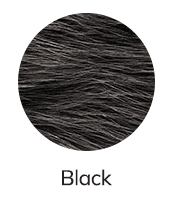
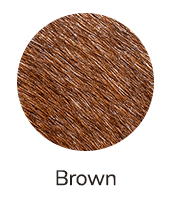
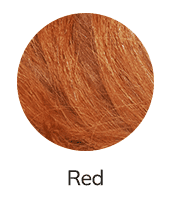

The border terrier is an active, small dog with an athletic build. They possess all the traits you would expect to see in a hard-working terrier breed, including powerful hind legs, pronounced muscles, and an alert, fiery expression.
However, the border terrier’s most distinctive physical feature is their head shape. Their skull has a distinctive otter-like resemblance, being moderately broad and flat, with ample width between their eyes and ears. They also have small lop ears that further add to their ottery look.
The border terrier has a short wiry coat that comes in typical terrier colors, such as red, grizzle and tan, blue and tan, or wheaten. Some border terriers have white markings on their chests, though this isn’t common.
What Size Is a Border Terrier?
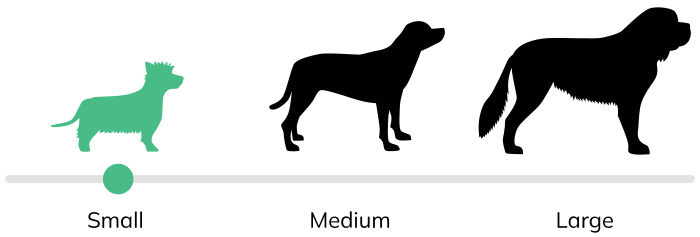
The border terrier is a small dog that stands 12 to 15 inches tall at the shoulders and rarely exceeds 15.5 pounds. Male border terriers are often slightly larger than females, averaging 13 to 15.5 pounds, while females usually weigh between 11.5 and 14 pounds.
The border terrier’s small, compact size means they’re fairly easy to manage despite their lively nature. They can also adapt well to small homes as long as they’re given outlets for their energy throughout the day.
What Is a Border Terrier’s Coat Type and Length?
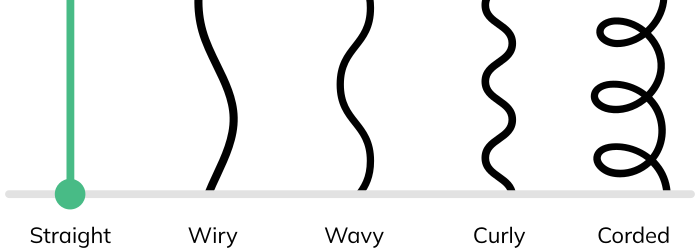
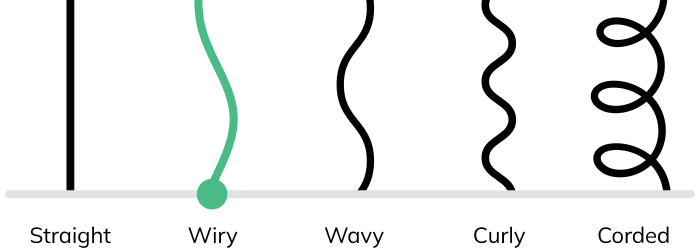
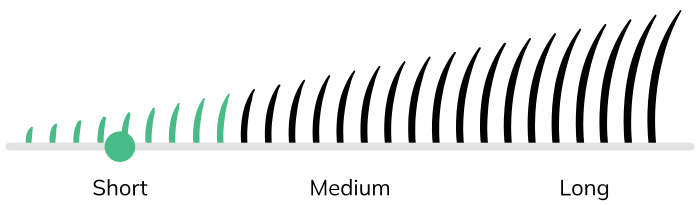
The border terrier has a short double coat that consists of a dense under layer and a wiry, almost broken overcoat. Their fur is water-resistant, lies straight, and doesn’t hide their athletic build. Their coat’s natural texture isn’t just striking; it also shields them from the elements and harsh terrain.
What Is a Border Terrier’s Temperament?
The border terrier personality is shaped by both their history as an alert fox hunter and their love for human company. They form deep bonds and can aptly be described as an affectionate, loving, and merry family companion.
When they’re out on the field, they won’t hesitate to show you their terrier side. They’re courageous, fierce, and sharp, and never seem to tire. They’re also determined and are always up for a challenge. The more mentally engaging the task, the better.
While the border terrier has plenty of captivating qualities, be mindful that, like most terrier breeds, they can be strong-willed. They may not be a good fit if you’re after an easy-to-train family companion. They also have a high prey drive, and this will need to be closely managed with socialization and training.
Are Border Terriers Good With Kids?
The border terrier is a ball of dynamite, so it’s no surprise that they can get along exceptionally well with kids. They won’t tire of your children’s games, will reciprocate any attention with tail wags, and are confident enough not to be perturbed by excitable noises. They are also gentle and tolerant.
While the border terrier can be a great canine playmate for kids, supervision is still crucial, particularly with young children. You should also teach kids how to safely interact with them and give them the respect they deserve. Rough, excessive handling can make the border terrier uncomfortable and lead them to become anxious.
To help your border terrier adapt to family life, early socialization and consistent training are essential as well. Expose them to people of all ages and instill good habits with basic obedience and bite inhibition training.
Are Border Terriers Good With Other Animals?
Terrier breeds have a rather notorious reputation for being feisty around other dogs. However, the border terrier is one of the few exceptions. Bred to work alongside hound breeds during their fox hunting days, they often form quick friendships with other dogs. They can happily live with them if a proper introduction is made.
While the border terrier is sociable, they still aren’t a good fit for homes with small pets like rabbits. They have a high prey drive and are likely to chase after them, which can result in injuries.
Are Border Terriers Aggressive?
While fiery, a well-socialized border terrier is rarely ever likely to be aggressive. Their fiery side manifests as being confident and fearless rather than trying to pick a fight with every pup and every human.
However, any dog can show aggressive behaviors if their needs aren’t being met. If your border terrier starts to act aggressively, it’s best to work with a professional trainer. They can help you uncover the reason behind their behavior and deal with it effectively.
Do Border Terriers Bark?
The border terrier is a vocal dog. They’ll bark to alert their family to a passerby out the window, a bird in the yard, or anything else that catches their attention. They will also bark when they’re bored, making it important to give them plenty of mental enrichment during the day.
The border terrier’s barks aren’t likely to carry far, though they are rather high-pitched and sharp. If you’re looking to house a border terrier in your apartment, it’s important to do all you can to minimize their barking tendencies.
Teach them commands like “quiet,” help them burn off their excess energy with exercise, and keep their mouth busy with puzzle toys or long-lasting chews.
Are Border Terriers Affectionate?
The border terrier may be fiery-spirited, but they’re extremely affectionate with those they trust. They often seek out human interaction and will appreciate being involved in family gatherings.
The border terrier will also go to great lengths to elicit a smile (and many head scratches) out of their favorite human, whether with their playful side or by cuddling up on their lap.
The border terrier can be more apprehensive around strangers and may not show their affectionate side to them at first. However, they’ll warm up once they feel comfortable around them and will soon be giving them lots of licks and snuggles.
Are Border Terriers Intelligent?

The border terrier is a brainy pup with a curious, alert side. They love to explore new things and value being given a job that works out both their brain and body.
They’re also able to make quick, in-the-moment decisions without their owner’s guidance. While this quality means they’re an excellent problem solver and can think intuitively, it can lead them to be stubborn at times. They’ll fare best with an owner who can be firm and patient with them.
The border terrier’s high intelligence also means they can quickly become bored without enough mental stimulation. You can engage your border terrier’s brain with games, training, and trips to local dog parks. You should also switch up their walking routine regularly.
Are Border Terriers Energetic?
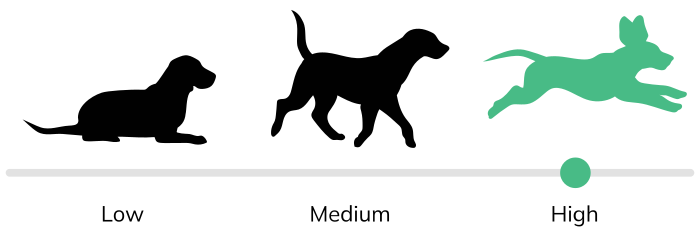
Don’t be fooled by their tiny appearance: The border terrier has no shortage of energy. Bred to track foxes across various distances and at great speed, they’re exceptionally active and need a lot of exercise to stay happy and healthy.
Most border terriers will require at least an hour of daily exercise, and they should also be given plenty of opportunities to run off-leash and explore. They will particularly enjoy interactive games and vigorous activities like agility, scent work, and hikes.
If you do take the border terrier hiking, just be cautious of their small size and stick to trails that aren’t overly steep or treacherous.
Are Border Terriers Easy to Train?
The border terrier is certainly intelligent and dedicated to any duty given to them. However, their independent streak does mean they aren’t the easiest dogs to train. They won’t be afraid to follow their instincts if they feel they can’t trust their owner’s judgment. They can also lose interest quickly if their brain isn’t engaged enough during training.
Positive reinforcement training measures, short but frequent sessions, and consistent communication will set even the most strong-willed border terrier up for success. You should also teach them new tricks regularly to challenge them and prevent their training from feeling monotonous.
Are Border Terriers Good Watchdogs?
The border terrier certainly has the attitude of a remarkable watchdog. They’re alert, perceptive, and courageous. They are also likely to bark to inform you of anything unusual, whether a strange sound or someone approaching your home.
However, just keep in mind that the border terrier’s role ends there. While they will not hesitate to put themselves between you and a threat, their small, non-intimidating stature means they aren’t a good fit for protection work.
Are Border Terriers Good Service Dogs?
The border terrier is capable of learning service dog tasks, though they aren’t commonly used in this line of work. Their high prey drive, curious nature, and independent spirit mean they often struggle to maintain their attention on their owner for long periods. This is especially the case in busy, distraction-filled public spaces.
That said, the border terrier can excel in other therapeutic roles that don’t require as much consistency and focus. For instance, they are often used as an emotional support animal because of how affectionate and loyal they are.
How to Care for a Border Terrier?
The border terrier may be small, but they do have fairly demanding care needs compared to other small breeds. They need at least an hour of daily exercise, as well as plenty of mental enrichment, socialization, and training. Their high prey drive also needs to be accounted for. You’ll need to hone their recall and keep a close eye on them around wildlife.
However, these aren’t the only aspects involved in caring for a border terrier. To help them experience a happy, fulfilling life with you, you’ll need to groom them, feed them a nutritious diet, and watch out for common health issues.
Do You Need to Groom a Border Terrier?
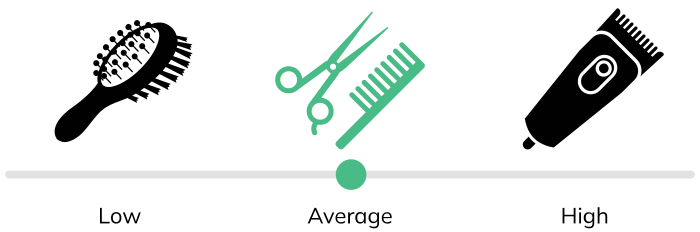
The border terrier’s wiry coat isn’t as “intense” or demanding as their fiery spirit. Their fur tends to stay clean and mat-free, even without human intervention. That said, you will still need to give them a thorough brush once a week, or whenever they become noticeably scruffy.
You will also need to hand strip the border terrier every four to six months. This will help to preserve the natural wiry texture of their coat, and it’ll also remove excess fur trapped in the undercoat. A professional groomer can help with hand stripping if you’re feeling overwhelmed. Make sure to choose a groomer who is experienced with the hand-stripping process.
Border terriers typically don’t need to be washed as frequently as other breeds. You should wash them only when needed (i.e., you get a whiff of a distinctive doggy odor). Besides this, your grooming routine should include daily teeth brushing, ear cleaning, and nail clipping.
You may also need to trim the fur on their pawpads on occasion, particularly if it starts to hinder their natural gait.
Do Border Terriers Shed?
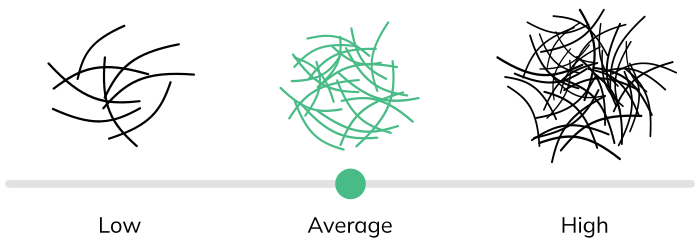
Yes, the border terrier isn’t a hypoallergenic breed and won’t be a good fit if you’re sensitive to dog fur or dander. They shed moderately year-round, and like most double-coated dogs, they have periods of intense seasonal shedding when they blow out their coat. This shedding helps them to stay cool and comfortable in the summer, and warm and snug in the winter.
You can keep on top of your border terrier’s shedding with weekly brushing and hand stripping. Regular grooming will help contain their excess hair and prevent it from spreading everywhere around the home.
What Health Problems Do Border Terriers Have?
Border terriers are often hardy dogs, and when they do encounter health concerns, they usually occur later in life. However, they are prone to developing certain health problems. This includes conditions such as:
- Hip dysplasia
- Cushing’s disease
- Cataracts
- Dental problems
- Patella luxation
- Gallbladder Mucocele (GBM)
- Canine epileptoid cramping syndrome (CECS)
While none of these are guaranteed, they are more common than other canine ailments for the Border Terrier.
How Long Do Border Terriers Live?
The border terrier is a robust dog, and like many small breeds, they tend to lead a long life. The average border terrier lifespan is between 12 and 15 years. However, many can live for a lot longer than this if they’re well looked after and come from a healthy lineage.
What Should a Border Terrier Eat?
The border terrier should be fed a diet that is specifically formulated for their needs and life stage. The food should have a high protein content and contain all the essential nutrients, including healthy fats, vitamins, minerals, complex carbs, and fiber.
The right diet will keep the border terrier in good health and energized throughout the day. High protein will also help them to maintain lean muscle mass, which is vital considering their active nature.
As the border terrier is particularly prone to dental issues, they also benefit from foods formulated with oral hygiene in mind. These foods will have gentle abrasive textures that help to scrape off plaque and tartar buildup without causing irritation.
You should also monitor your border terrier’s portion sizes closely. Most border terriers will need between 1 and 2 cups of dog food each day, split across two feedings. However, every dog will have unique dietary needs, so we always recommend speaking to a veterinarian for advice if you’re uncertain.
Is a Border Terrier the Right Dog for Me?
The border terrier’s feisty spirit may have captured your heart, but it’s important to consider whether you can truly give them the perfect forever home.
The border terrier is energetic and strong-willed, and while they are intelligent, they can be difficult to train. They’re often best paired with experienced dog owners. They also need a home where they’ll have plenty of human interaction throughout the day.
The border terrier may be your perfect match if:
- You can exercise a dog for at least an hour each day
- You can keep up a consistent training routine
- You want an alert dog who will let you know of any unusual activity
- You don’t want to deal with a high-maintenance, tangle-prone coat
- You want a larger-than-life small breed
- You’re after a sociable, fluffy companion for your other canines
The border terrier might not be right for you if:
- You have small pets living with you
- You prefer a quiet home space
- You want an easy-to-train dog who will readily listen to your every command.
If you feel you can match the needs of a Border Terrier, then they can make an unforgettable pet!