Bluetick Coonhound: Your Complete Guide
The bluetick coonhound is a striking dog with a name as distinctive as its speckled blue coat. Originally bred in the American South for hunting raccoons, this breed is known for its endurance, keen nose, and soulful, musical howl. Over time, the bluetick has won hearts far beyond the hunting field, becoming a loyal companion for families and active individuals alike.
If you’re thinking about getting a bluetick coonhound, it’s worth knowing what makes them unique. Their boundless energy, intelligence, and affectionate nature mean they thrive best in certain homes and lifestyles. Understanding the typical bluetick coonhound personality and how much activity they need will help you decide if they’re the right fit for you.
In this guide, we’ll explore everything you need to know about the bluetick coonhound, from its origins and traits to care requirements, health considerations, and training tips. Whether you’re drawn to their striking appearance or their loyal, spirited personality, this overview will help you decide if the bluetick coonhound will blend in seamlessly into your lifestyle.
Table of Contents
Quick Look at the Bluetick Coonhound
Below is a quick glance at this special breed in terms of their physical characteristics, lifespan, temperament, and grooming needs.
| Weight/Height | Height: 21–27 inches | Weight: 45–80 pounds. |
| Coat Type | Short, smooth, dense, glossy. |
| Grooming Needs |  |
| Shedding |  |
| Temperament | Loyal, alert, determined. |
| Good With Kids |  |
| Good With Other Animals |  |
| Intelligence | |
| Easy to Train | |
| Energy Level |  |
| Barking Habits | |
| Lifespan | 11–12 years |
What Is the History of Bluetick Coonhounds?
The bluetick coonhound has deep American roots that trace back to the early settlers who relied on skilled hunting dogs to survive in the wilderness. These settlers brought over French and English hounds, including the Grand Bleu de Gascogne and the English foxhound, to track game through thick forests and rough terrain.
Over time, breeders combined the traits of these dogs to create a hound that was powerful, intelligent, and able to trail scents long after they had gone cold. The “blue tick” coat pattern, with its distinctive black ticking on white fur, became a hallmark of the breed, helping hunters identify their dogs in the field.
The breed’s primary role was to hunt raccoons, a task that required endurance, independence, and a loud, musical “bay” to signal when prey was cornered. Blueticks were equally capable of tracking deer, bear, and other game, earning a reputation as one of the most adaptable hunting hounds in the South.
As the breed’s fame spread, the bluetick coonhound became a cultural icon of rural Southern life. Their loyalty, endurance, and striking appearance set them apart from other hounds. In 1946, the United Kennel Club officially recognized the bluetick coonhound as a distinct breed, and the American Kennel Club followed in 2009.
Today, the breed remains a symbol of Southern tradition and pride. The University of Tennessee’s mascot, “Smokey,” and the state’s designation of the bluetick coonhound as its official dog both celebrate the breed’s enduring legacy.
What Do Bluetick Coonhounds Look Like?
Bluetick coonhounds are medium to large-sized dogs with a muscular, athletic frame built for stamina and agility. Males are generally larger and heavier than females. This breed has a sturdy build, deep chest, and powerful legs that allow it to cover ground efficiently during long hunts.
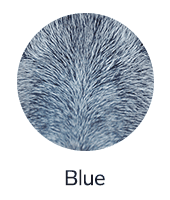
Their most recognizable trait is the short, dense, and glossy coat marked with a striking blue-ticked pattern. This “blue” appearance comes from black ticking on a white base, giving the coat a silvery or bluish-gray sheen. The pattern is unique to each dog, creating a marbled effect that stands out in any setting.
Blueticks often have black spots along their back, ears, and sides. Their head and ears are usually darker, and many blueticks have warm tan or reddish-brown markings above the eyes, on the muzzle, chest, and legs. Some also display a narrow white blaze running up the center of the face, which adds even more character to their expressive look.



What Size Is a Bluetick Coonhound?
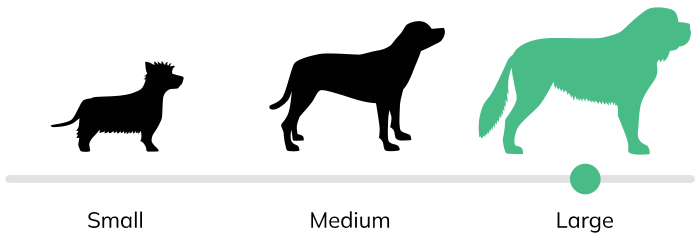
Bluetick coonhounds are medium to large-sized dogs, built for both strength and endurance. Adult males typically stand between 22 and 27 inches tall at the shoulder and weigh around 55 to 80 pounds. Females are slightly smaller, usually 21 to 25 inches tall and 45 to 65 pounds on average.
What Is a Bluetick Coonhound’s Coat Type and Length?
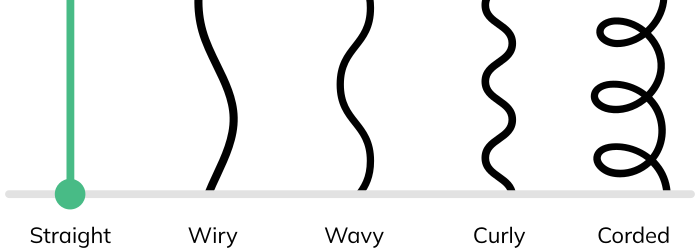
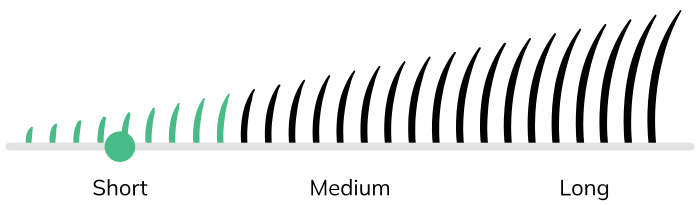
Bluetick coonhounds have a short, smooth coat that is moderately coarse in texture. Their fur is straight and lies close to the body, providing a sleek and polished appearance. The coat is not wiry, wavy, curly, or corded; it has a smooth texture that offers protection against rough underbrush and weather conditions encountered during hunting.
This coat type is dense enough to shield the dog while moving outdoors but remains easy to maintain with routine grooming. The short, glossy fur displays the signature blue ticking (black flecks on white fur), sometimes combined with tan markings on the face, chest, and legs. Overall, the coat is distinctively smooth and neither curly nor wiry nor corded.
What Is a Bluetick Coonhound’s Temperament?
The bluetick coonhound personality blends determination with warmth. These dogs are intelligent, confident, and energetic, always ready for adventure. They were bred to think independently while hunting, so they can be strong-willed and a bit stubborn at times.
Despite their independence, they form strong bonds with their families and enjoy being part of household life. Blueticks are alert and expressive, often using their deep, musical voices to communicate excitement or curiosity.
Are Bluetick Coonhounds Good With Kids?
Bluetick coonhounds are typically very good with children, especially when socialized early. Their gentle nature and patience make them excellent companions for families with kids of all ages. They tend to be playful but not overly rough, and they usually adapt well to a lively household.
However, supervision is a good idea around small children because of their size and energy. Teaching both the dog and the child to interact respectfully helps ensure positive experiences. With proper guidance, training, and attention, blueticks can be the most affectionate and protective family dogs.
Are Bluetick Coonhounds Good With Other Animals?
Bluetick coonhounds often get along well with other dogs, particularly those that can match their energy. Their friendly and social nature helps them thrive in multi-dog households. However, their strong prey drive can make living with small pets like guinea pigs, rabbits, or hamsters a challenge.
When raised alongside cats, many blueticks learn to coexist peacefully, but some may still give chase out of instinct. Early exposure, consistent training, and supervision can help them understand boundaries. Their hunting background means they are naturally inclined to pursue wildlife, so a secure leash or fenced yard is essential if your dog will spend time outdoors.
Are Bluetick Coonhounds Aggressive?
Bluetick coonhounds are not known to be aggressive dogs. They are friendly, even-tempered, and people-oriented when raised in a positive environment. Aggressive behavior, such as growling or snapping, is uncommon and typically linked to fear, lack of training, or neglect rather than breed temperament.
They can, however, be protective of their families and alert to strangers, making them good watchdogs. Proper socialization and positive reinforcement training help prevent unwanted guarding or territorial behaviors. In general, blueticks are loyal and approachable dogs that respond best to calm, confident handling.
Do Bluetick Coonhounds Bark?
Bluetick coonhounds are famously vocal. They communicate through a rich, melodic “bay” that can carry long distances. It’s a trait prized in hunting but less ideal in quiet neighborhoods or apartments. They bark to announce visitors, express excitement, or simply respond to interesting sounds outdoors.
While their voice is part of their charm, it can become excessive without proper training or stimulation. Regular exercise and mental enrichment help curb boredom-related barking. For owners in apartments or areas with noise restrictions, this breed may require additional management and consistent training to maintain quiet behavior.
Are Bluetick Coonhounds Affectionate?
Blueticks are affectionate and people-loving dogs who enjoy close contact with their families. They may not be lapdogs, but they thrive on physical touch, companionship, and inclusion in daily activities. They are known to lean on their owners or rest their heads in their owners’ laps as a sign of affection.
While they are loyal and loving with family members, they can be cautious with strangers at first. Once comfortable, they are friendly and sociable, often seeking attention and interaction. Their affectionate nature, combined with their loyalty, makes them excellent companions for active households.
Are Bluetick Coonhounds Intelligent?
Bluetick coonhounds are highly intelligent and curious dogs. Their sharp problem-solving skills come from generations of independent hunting work, where they needed to make decisions on the trail without constant direction. They learn commands quickly but may test boundaries, showing a streak of stubbornness when bored or uninterested.
Their intelligence means they excel in obedience training, scent work, and puzzle-based activities that challenge their minds. They are alert, resourceful, and always eager to explore new scents and environments. Their intelligence shines through in both work and play with the right approach, patience, consistency, and reward-based training.

Are Bluetick Coonhounds Energetic?
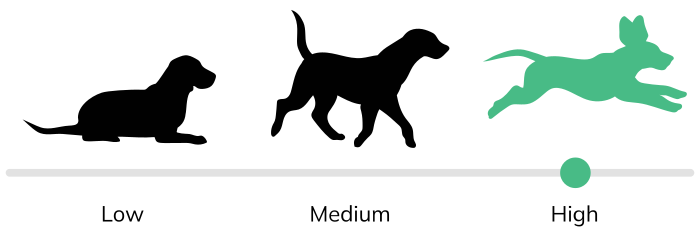
Bluetick coonhounds are extremely energetic dogs that need plenty of exercise to stay happy and healthy. They were bred for endurance and can run, climb, and explore for hours without tiring. Most blueticks need at least one to two hours of daily activity, including brisk walks, hikes, or time in a secure yard.
Physical exercise alone is not enough for this breed, as they are intelligent and driven. They also need mental challenges such as scent games, tracking exercises, or puzzle toys. Without enough activity, they may become restless or vocal. A bluetick coonhound is best suited to an active household that enjoys spending time outdoors.
Are Bluetick Coonhounds Easy to Train?
Bluetick coonhounds are intelligent and eager to learn, but can be stubborn. Their independent nature comes from their hunting background, where they needed to make decisions on their own. They respond best to positive, reward-based training that uses patience and consistency.
Once engaged, they are capable of learning a wide range of commands and even complex tricks. Many excel in activities like scent tracking, agility, and obedience competitions. However, harsh training methods or repetitive drills can cause them to lose interest. Keeping training sessions short, fun, and rewarding brings out their best performance.
Are Bluetick Coonhounds Good Watchdogs?
Bluetick coonhounds make effective watchdogs thanks to their alert and vocal nature. They are quick to notice new sounds or visitors and will bark to let their family know. Their deep, distinctive baying voice is hard to ignore and serves as a strong deterrent to strangers.
Although they are protective of their families, they are generally not aggressive. They rely on their awareness and voice rather than force. With proper socialization, they learn to tell the difference between a real threat and normal household activity, making them reliable but not overly reactive guardians.
Are Bluetick Coonhounds Good Service Dogs?
Bluetick coonhounds can perform some service and support roles, but they are not among the most common breeds for such work. Their intelligence and strong sense of smell make them suitable for certain emotional support roles. They are empathetic and bond closely with their handlers, which can also help provide comfort in therapy or psychiatric service work.
However, their high energy and strong prey drive can make them challenging for certain service dog tasks that require long periods of calm focus, such as guide work. With the right training and environment, a bluetick can make a loyal emotional support or therapy companion, but they require an experienced handler and consistent structure.
How to Care for a Bluetick Coonhound?
Caring for a bluetick coonhound involves meeting both their physical and mental needs. They require daily exercise, a balanced diet, and plenty of interaction with their family. Long walks, hikes, and scent games keep them engaged, while consistent training helps maintain good behavior.
Routine grooming, regular vet checkups, and parasite prevention are also essential. This breed thrives on companionship, so you must not leave them alone for long hours. They do best in homes where they can stay active and involved in daily life.
Do You Need to Groom a Bluetick Coonhound?
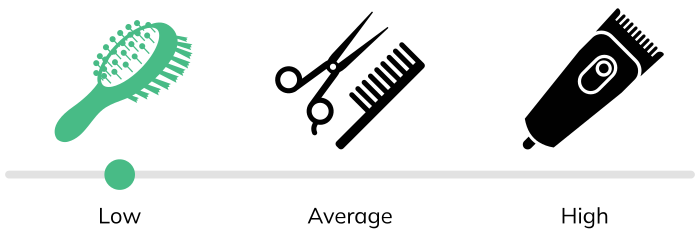
Bluetick coonhounds have a short, smooth coat that is easy to maintain. Weekly brushing with a soft-bristle brush or grooming mitt helps remove loose hair and keep the coat shiny. They typically do not require professional grooming unless for routine nail trimming or ear cleaning.
Their long, floppy ears should be checked regularly for dirt or moisture buildup, as they can be prone to infections. Bathing once every few months, or as needed after outdoor adventures, is usually enough to keep them clean and comfortable.
Do Bluetick Coonhounds Shed?
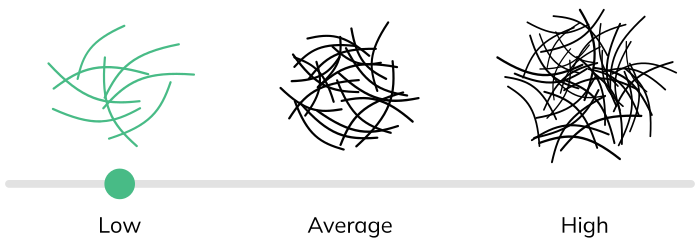
Bluetick coonhounds are moderate shedders. Their short coats shed lightly throughout the year, with slightly heavier shedding during seasonal changes. Regular brushing minimizes loose fur and helps distribute natural oils, keeping the coat healthy.
They are not hypoallergenic, so they may not be the best fit for allergy-sensitive owners. However, their low-maintenance coat and minimal odor make them relatively easy to live with compared to many long-haired breeds.
What Health Problems Do Bluetick Coonhounds Have?
Bluetick coonhounds are generally healthy dogs, but can be prone to certain conditions common among medium and large breeds. Hip dysplasia, ear infections, and bloat are among the most frequent concerns. Regular cleaning is essential to prevent ear issues, primarily because of their long, droopy ears.
They may also be susceptible to hypothyroidism and certain eye problems. Responsible breeders test for these conditions, and maintaining a healthy weight helps reduce joint stress. Routine veterinary care, a balanced diet, and regular exercise are the best ways to keep a bluetick coonhound healthy for years.
How Long Do Bluetick Coonhounds Live?
The bluetick coonhound’s lifespan averages between 11 and 12 years. With proper care, exercise, and nutrition, some can live even longer. Like most active breeds, their lifespan can be supported by maintaining a healthy weight and preventing overexertion during intense activity.
What Should a Bluetick Coonhound Eat?
Bluetick coonhounds do best on a high-quality diet formulated for active, medium to large breeds. Their food should contain lean proteins, healthy fats, and enough calories to sustain their energy levels. Adult blueticks typically need two to three cups of dry food per day, divided into two meals.
Portion control is important to prevent overeating and obesity in this breed. Always adjust their portions based on age, activity level, and health. Fresh water should be available at all times, and treats should be used in moderation.
Is a Bluetick Coonhound the Right Dog for Me?
A bluetick coonhound is a wonderful choice for people who enjoy outdoor activities and have time to meet the breed’s exercise and companionship needs. They thrive with active families, hunters, or anyone who loves hiking, running, or exploring nature.
They are not ideal for apartment living or owners who prefer a quiet, low-energy pet. A bluetick needs space, stimulation, and human interaction to be truly content. For those willing to give them the activity and affection they crave, they return that dedication with loyalty, intelligence, and heart.