Blue Lacy: Your Complete Guide
Do you want a dog that’s about as Texas as it gets? Or do you need a formidable canine companion to care for your ranch? Enter the Blue Lacy, one of the few dog breeds developed in the United States. The Blue Lacy, also known as the Texas Blue Lacy, can trace their roots back to the 19th century when three brothers began mixing greyhounds with scenthounds and coyotes.
The result? A high-energy dog that’s loyal, protective, trainable, and suitable for ranch protection, hunting, and much more. While this may sound awesome if you own a ranch down in Texas, what if you don’t? Are Texas Blue Lacys still a good canine companion to have as a pet? Well, in this guide that’s exactly what we help you figure out.
Read on to learn everything you need to know about the Blue Lacy dog breed. We cover the Blue Lacy’s personality, care needs, size, appearance, and much more.
Table of Contents
Quick Look at the Blue Lacy
Below is a quick glance at this special breed in terms of their physical characteristics, lifespan, temperament and grooming needs.
| Weight/Height | 18-21 inches and 35 to 50 pounds |
| Coat Type | Short and smooth |
| Grooming Needs |  |
| Shedding |  |
| Temperament | Energetic, independent, and protective |
| Good With Kids | |
| Good With Other Animals |  |
| Intelligence | |
| Easy to Train | |
| Energy Level |  |
| Barking Habits | |
| Lifespan | 12-16 years |
What Is the History of Blue Lacys?
The history of Blue Lacys is an interesting one, and one that’s uniquely American. You’ll find that the Blue Lacy can trace their roots back to the great state of Texas. In fact, this is why you may know them as the Texas Blue Lacy, and these dogs have also had different monikers throughout the years. For example, the Blue Lacy is also known as lacy hog dog, Lacy Cur, and even a Lacy Game Dog.
Now, let’s dive into the actual history portion of this section. You’ll find that the Blue Lacy got its name from three brothers. The Lacy brothers, of course, and their names were Ewin, George, and Harry. These were ranchers who moved to Texas from Kentucky back in the 1850s, where legend has it that they started mixing greyhounds with scenthounds and coyotes! This wild combination created a high-energy dog breed that’s ready to protect a ranch, hunt small game, and do just about anything else a ranch dog can do.
Due to the breed’s popularity and native Texas heritage, the Blue Lacy is known as the state dog of Texas. In 2005 Representative Joaquin Castro created House Concurrent Resolution No. 108, which codified the Blue Lacy as the official Texas state dog.
While the Blue Lacy was more popular when ranching was a more common profession, they are no longer as prominent as they once were. It’s for this reason that Blue Lacys can be challenging to find in Texas and anywhere else in the United States.
What Do Blue Lacys Look Like?
Blue Lacys look like a smaller, slightly darker Weimaraner. You’ll find that Blue Lacys have smooth coats, floppy ears, and muscular-looking bodies with long legs.
Although Blue Lacys have “blue” in the name, you’ll find that their coats vary greatly in appearance. Some of them feature three colors, while others are solid blue or red. In fact, a popular combination is a dark brown or black mixed with a lighter fawn or crimson color.




What Size Is a Blue Lacy?
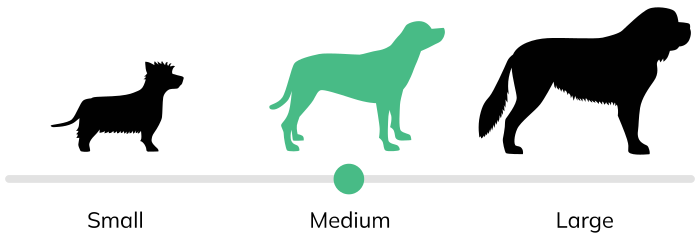
The Blue Lacy varies in size based on their gender. Typically, males are larger than females, and this is evident in their height and weight. Male Blue Lacys tend to reach 35 to 50 pounds and a height of 20 to 21 inches.
Female Blue Lacys, on the other hand, are around 18 to 20 inches tall and weigh around 25 to 45 pounds. Overall, you can expect a standard medium-sized dog when it comes to the Blue Lacy.
What Is a Blue Lacys Coat Type and Length?
When it comes to a Blue Lacy’s coat type, you’ll find that it tends to be smooth, short, and straight. If you find a Blue Lacy that has curly or long hair, there’s a pretty good chance you’re looking at a different breed.


What Is a Blue Lacy’s Temperament?
If there’s one word that we can use to describe a Blue Lacy’s temperament, it’s intense. These dogs were bred to protect ranches and hunt, so they have a lot of energy, protective instincts, and a strong prey drive. That said, these traits do come with a lot of intelligence, so you’ll find that they’re trainable and easy to work with once they trust and respect you.
You’ll also find that Blue Lacys love to get to work. If you have tasks for them, they’ll gladly do them, and this plays off their natural independent nature. It’s important to note that if you’re unable to meet their needs, you’ll have a tough time caring for a Blue Lacy. They may become anxious, stubborn, and unhappy.
Are Blue Lacys Good With Kids?
Blue Lacys are fine with a ranch hand or two, but not really around children. Due to their massive pool of seemingly endless energy, Blue Lacys may be too active for small children. It’s not that Blue Lacys are aggressive and dangerous, but if your child tires out and your Blue Lacy still wants to play, the dog can overwhelm them.
Luckily, you can work on a lot of this through training. Also, this is less of a problem with older children who know how to assert boundaries with a dog.
Are Blue Lacys Good With Other Animals?
Whether or not a Blue Lacy is good with other animals depends on the size of the animal and its friendliness. This is due to the fact that Blue Lacys are great at controlling farm animals with a high prey drive.Your Blue Lacy may chase smaller dogs and pets and can annoy larger ones who can’t keep up. For this reason, it’s important to socialize your Blue Lacy from a young age if you have any smaller animals.
Are Blue Lacys Aggressive?
Blue Lacys aren’t aggressive dogs. The only time they’ll get aggressive is if they’re hunting an animal or protecting livestock. If your Blue Lacy is just hanging around your home, you shouldn’t have to worry about them suddenly flipping like a switch and becoming aggressive.
Do Blue Lacys Bark?
We’re just going to come right out of the gate and write that Blue Lacys aren’t a good option for apartment living. Not only will they bark, but they’ll bounce off the walls if you keep them confined in small spaces, which will result in even more barking. If you have a Blue Lacy on a farm or out in the suburbs, well, they may bark less. However, they’ll still alert you to danger and bark at some small animals and strangers if you don’t train them properly.
Are Blue Lacys Affectionate?
Blue Lacys aren’t the most affectionate dogs around. While they may respect you and love you if you train them properly, they’re not a dog that’s going to settle down and sit on your lap. For these reasons, you shouldn’t expect a cuddle buddy, but that doesn’t mean they’ll dislike you.
Are Blue Lacys Intelligent?
Blue Lacys are some of the smartest dogs out there. Whether you need to train a dog that will protect your ranch or you want to focus on training an agility dog, you’ll find that a Blue Lacy is equipped for just about anything. In fact, Blue Lacys can be good hiking dogs, watchdogs, and working dogs for a wide variety of tasks. Therefore, you don’t have to worry about any commands, tasks, or training programs that a Blue Lacy can’t handle.
Don’t believe us? Give one of our online dog training programs a shot and watch them shock you.

Are Blue Lacys Energetic?
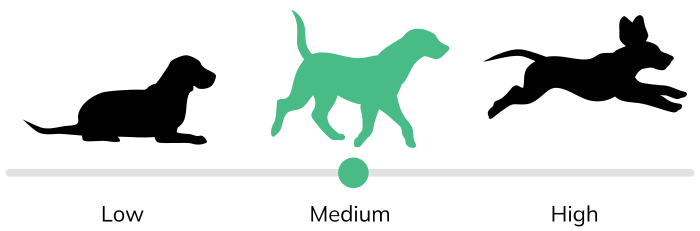
Blue Lacys are about as energetic as they come. These are high-energy dogs that love to run around, get to work, or play with you. For these reasons, you need to have enough space for them to cut loose and enough time to play with them throughout the day. If you don’t have a lot of space, you’ll need to bring them to dog parks, but we recommend socializing them before you do this.
Are Blue Lacys Easy to Train?
Blue Lacys aren’t exactly easy to train, but they are highly trainable. While this might not make any sense right now, give us a moment to explain. Blue Lacys have a lot of energy and a lot of brainpower, so if you’re not keeping up with their demands, they won’t be very responsive to your training routine. What’s more, you need to train them on a consistent and predictable schedule. It also helps to leverage positive reinforcement for the best results. This will keep them coming back for more.
The good news is that once you have a system in place, you shouldn’t have any issues. You’ll find that your Blue Lacy can learn just about anything and that they can handle complex tasks, commands, and even agility work.
Are Blue Lacys Good Watchdogs?
Blue Lacys make great watchdogs. After all, this is one of the many traits that they were bred for. If you need them to watch over your big farm or ranch, Blue Lacys will have no problem doing so. They can also keep predators away from livestock and alert you to danger with their loud bark.
While Blue Lacys make great watchdogs, they do not possess this trait inherently. Instead, Blue Lacys need to be trained on priorities properly. Otherwise, you have a high-energy dog running around your property and barking at every squirrel that runs by.
Are Blue Lacys Good Service Dogs?
Whether or not a Blue Lacy is a good service dog depends on your situation, and we recommend being cautious with this breed for service dog roles. While they’re great working dogs due to their high energy levels, their high energy levels make them a bad fit for many types of service work. For example, if you’re physically disabled, you may not be able to keep up with them, and this can make them unhappy and unresponsive to service dog training.
Blue Lacys don’t make very good emotional support animals either. Due to their aloof nature and independence, they may not be there to support you when you need them to be.
How to Care for a Blue Lacy?
The most important aspect of caring for a Blue Lacy is keeping them active and well-fed. These dogs thrive on physical activity and training, so you need to provide this if you want them to be happy. That said, you also need to focus on grooming them. They do shed, so brushing them can help you manage this, and it’s a good idea to stick to a weekly routine.
Caring for a Blue Lacy also requires keeping an eye on health issues, checking for infections and skin problems, and annual trips to the vet.
Do You Need to Groom a Blue Lacy?

One of the best parts about the Blue Lacy is the fact that you don’t have to worry about grooming them too much. This is due to the fact that they only need to be brushed once a week, or a few times if they love it, and they don’t need frequent baths or anything like that.
While this may be the case, you’ll find that Blue Lacys do require some maintenance. If their nails aren’t being worn down by work, you’ll need to trim them every four to six weeks. You also need to keep an eye on their ears for signs of infection. In fact, you should even clean their ears to prevent infection.
Last but not least, don’t forget to brush their teeth a few times per week. Not only will this keep their breath fresh, but you’ll find that they’ll have an easier time enjoying a healthy diet.
Do Blue Lacys Shed?
Blue Lacys are moderate shedders. However, their short coats aren’t hard to manage if you brush them weekly. If you find that your Blue Lacy is shedding more often, though, you can always brush them more frequently.

What Health Problems Do Blue Lacys Have?
When it comes to health issues, you’ll find that Blue Lacys are pretty healthy dogs. You don’t have to worry about too many genetic conditions, although they may have some issues with elbow dysplasia. Blue Lacys may also struggle with skin conditions, like atopic dermatitis, but the good news is that many of these skin conditions are treatable.
However, if a Blue Lacy has color dilution alopecia, treatment can be more difficult, and you can spot signs of this condition by frequent scratching, missing patches of hair, and other types of skin infections. Unfortunately, some Blue Lacys may also develop hypothyroidism and some food allergies. You’ll need to keep an eye on their weight and activity levels to spot these issues.
Of course, Blue Lacys may also develop degenerative eye problems, joint issues, and even some hip problems later in life. As they slow down, Blue Lacys may also struggle with obesity, so keep an eye on their diet. To avoid health issues, do your best to catch them early, and always bring your Blue Lacy to the vet annually for checkups.
How Long Do Blue Lacys Live?
On average, a Blue Lacy’s lifespan tends to be between 12 and 16 years. Of course, this varies based on the individual dog, their diet, and how often they exercise. For these reasons, you need to keep an eye on their health and bring them to the veterinarian annually to check for any issues.
What Should a Blue Lacy Eat?
Blue Lacys are high-energy dogs, so you need to feed them a diet that’s high in protein and whole grains. This gives them enough energy to run around, play, and get to work (if you need them to watch over a ranch or farm). You can also cook them meals, but make sure you consult with a veterinarian for the best results.
Is a Blue Lacy the Right Dog for Me?
The Blue Lacy is a great dog breed, we want to finish our conclusion by putting that out there. However, the Blue Lacy is not a good dog breed for everyone. While there are situations where Blue Lacys thrive, there are others where they’ll become unhappy, stressed, and even anxious. For these reasons, if you don’t have a big piece of land for them to run around on, dog parks in your area, or a farm for them to protect, a Blue Lacy may not be the right fit for you.
On the other hand, if you can provide these things for a Blue Lacy, you shouldn’t have any issues with this dog breed. Focus on training and socializing them from a young age for the best results, and always remember that every dog is unique, so there may be some variations in temperament.