Black and Tan Coonhound: Your Complete Guide
The black and tan coonhound is a hound breed known for their dignified appearance and resilient nature. Their name honors their most defining (and striking) physical trait: Their sleek black and tan coat.
Whether your heart is won over by the black and tan coonhound’s endearing temperament or their unrivaled loyalty, it’s important to understand their needs and unique traits. They can be quite the handful for inexperienced pet owners, as they require a lot of training, mental stimulation, and exercise to lead happy, healthy lives.
To help you decide if this pup is a good match, we’ll explore all you need to know about the breed. We’ll cover the black and tan coonhound’s personality traits, history, care requirements, common health concerns, and more below.
Table of Contents
Quick Look at the Black and Tan Coonhound
Below is a quick glance at this special breed in terms of their physical characteristics, lifespan, temperament, and grooming needs.
| Weight/Height | 23 inches to 27 inches tall, weighing between 65 and 110 pounds |
| Coat Type | Short smooth coat |
| Grooming Needs |  |
| Shedding |  |
| Temperament | Resilient, intelligent, gentle, and dignified |
| Good With Kids |  |
| Good With Other Animals | |
| Intelligence |  |
| Easy to Train | |
| Energy Level | |
| Barking Habits | |
| Lifespan | 10 to 12 years |
What Is the History of Black and Tan Coonhounds?
The black and tan coonhound was first recognized by the American Kennel Club (AKC) in 1945, though their history can be traced back to post-revolutionary times in the southeastern United States.
During this period, frontiersmen were in need of a dog who could hunt raccoons with ease. Raccoons were the primary (and oftentimes only) source of meat and fur, and there wasn’t yet a breed that could quite match up to these evasive animals.
To combat this, frontiersmen crossed various foxhounds and bloodhounds together to create the black and tan coonhound: A dog capable of tracking down raccoons by scent,“treeing” them, and alerting hunters to their location through loud bays.
Black and tan coonhounds quickly spread in popularity throughout America, and eventually, across the world. They still make perfect hunting partners to this day. However, they have also become beloved family pets, valued for their remarkable loyalty to their loved ones.
What Do Black and Tan Coonhounds Look Like?
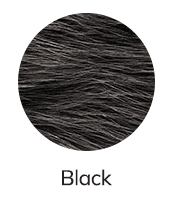
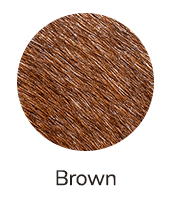
The black and tan coonhound is a robust hound dog, and their physical appearance conveys exactly this. They’re large and athletically built, with powerful, well-boned hindquarters. Their head is also broad and measures around 8 to 10 inches from the back of the skull to their nose. This is complemented by low-set ears that hang gracefully, giving the black and tan coonhound their dignified look.
The black and tan coonhound carries themselves confidently and takes long strides. Like many hound breeds, they also have an alert expression and a short, sleek coat. Their fur comes in a distinct combination of black and tan, with black being the dominant color. The tan coloration usually only shows on their legs, snout, eyebrows, and chest.
What Size Is a Black and Tan Coonhound?
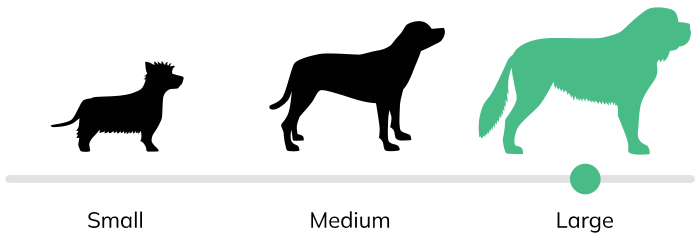
The black and tan coonhound is one of the largest breeds around. Most black and tan coonhounds weigh between 65 and 110 pounds and reach up to 27 inches tall in adulthood.
Their exact size will depend on their genetics, health, and upbringing. However, you can generally expect males to be larger than females. Males usually stand 25 to 27 inches tall and are noticeably more muscular and heavier in bone, while females typically only reach 23 to 25 inches tall.
What Is a Black and Tan Coonhound’s Coat Type and Length?
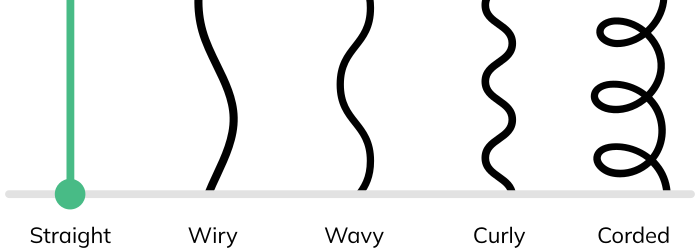
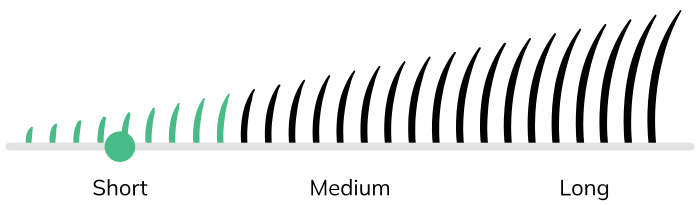
The black and tan coonhound has a short, straight, and dense coat. Their fur is glossy and lies close to their body, though it’s also tough enough to keep their skin protected from rough terrain and bracken.
What Is a Black and Tan Coonhound’s Temperament?
The black and tan coonhound is alert and work-driven when they catch the scent of their prey. However, when they’re not putting their sniffer (and muscles) to good use? They’re truly a gentle giant through and through.
They’re patient, nurturing, and affectionate with loved ones, and they’re generally sociable with everyone they meet. They’ll particularly appreciate a family who won’t mind their constant presence (and watchful eye following them wherever they go).
The black and tan coonhound is also highly intelligent. However, like most hound breeds, they are strong-willed. They’ll need an owner who can be patient with them and see their independent thinking as a positive rather than a source of frustration.
Are Black and Tan Coonhounds Good With Kids?
The black and tan coonhound usually gets along great with children. They’re gentle and incredibly tolerant of kids, no matter how excitable they are or how much noise they make. They’re also well-built to withstand any roughhousing, so kids often find that they’re a fantastic playmate too.
However, you should still supervise them around children to ensure they interact together safely and respectfully. This is especially the case for toddlers, as the black and tan coonhound is a large, powerful dog and may accidentally knock them over.
Are Black and Tan Coonhounds Good With Other Animals?
Black and tan coonhounds are even-tempered and usually sociable with other dogs. They’ll get along especially well with dogs who can match their energy. However, they can find it difficult to live with small pets. They have strong prey drives and often chase after small animals like cats, rabbits, and birds, which can potentially lead to injuries.
While the black and tan coonhound’s prey drive can be managed with training, it is a huge part of who they are. Even with all the training in the world, it is likely that they’ll still retain this instinct to some degree. They should always be kept on a tight leash around wildlife.
Are Black and Tan Coonhounds Aggressive?
The black and tan coonhound may look powerful, but they aren’t inherently more aggressive than other breeds. They are even-tempered and affectionate with those they form bonds with, especially when well-socialized and raised in a loving home.
When the black and tan coonhound does exhibit aggressive behaviors, this is usually the result of an unmet need, lack of training, or underlying health concern — all of which can be managed with proper care and training.
Do Black and Tan Coonhounds Bark?
Unfortunately for your neighbors, the black and tan coonhound does love the sound of their own voice. They’re very expressive and will often communicate their emotions through barks, grunts, and howls.
Thanks to their hound dog roots, they also have a distinctive loud “bay” that can be heard from afar. You can expect them to bay when they want to grab your attention, as well as to alert you of an interesting scent or anything they deem unusual.
Training can help curb excessive barking habits, though it’s unlikely the black and tan coonhound will ever be a “quiet” apartment-friendly dog. They’re best suited to homes that don’t have strict noise restrictions in place.
Are Black and Tan Coonhounds Affectionate?
Black and tan coonhounds are people-oriented and enjoy spending time with their loved ones. While they’re not exactly lap dogs in terms of size, you’ll often find them resting their heads on their owners’ laps or leaning against them.
Although the black and tan coonhound is incredibly loving, they can be a little cautious around strangers. However, their sociable, outgoing nature means they’ll usually warm up quickly and soon show off their affectionate side to them too.
Are Black and Tan Coonhounds Intelligent?
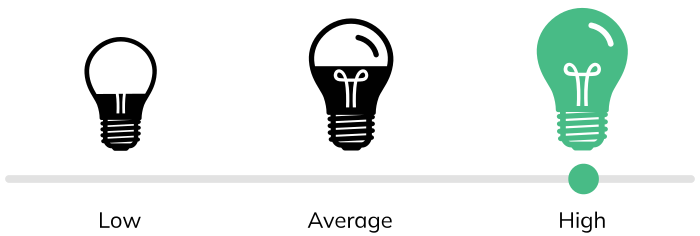
The black and tan coonhound is extremely intelligent — a trait that has been honed through several years of selective breeding. They’re also able to think for themselves and make quick decisions if the situation calls for it.
The black and tan coonhound’s high intelligence means they do need a lot of mental enrichment each day. Otherwise, they’ll quickly become bored and turn to more destructive habits to keep themselves busy. Training, dog sports, and interactive play can all offer great sources of mental enrichment, and keeping their activities varied will ensure things never become stale.
Are Black and Tan Coonhounds Energetic?
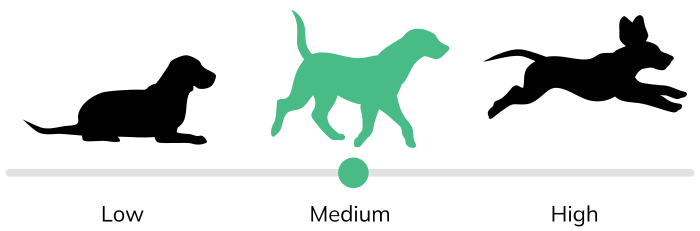
Black and tan coonhounds have moderate energy levels, and this means they do need a substantial amount of exercise to thrive. Most black and tan coonhounds need at least 90 minutes of exercise each day, which can be in the form of walks, hikes, or vigorous outdoor play.
As curious dogs, they also love to explore and enjoy taking in new sights and smells. To facilitate this (and to prevent boredom), you’ll want to change up their walking routes and exercise activities regularly.
Are Black and Tan Coonhounds Easy to Train?
Black and tan coonhounds are extremely intelligent and often pick up training quickly. They can learn advanced commands and can even be good candidates for dog sports, such as agility or flyball. However, they are independent thinkers. They tend to get easily distracted by their environment during training sessions.
While this can make black and tan coonhounds more challenging to train than other breeds, they’ll respond well to positive reinforcement methods. These measures work on the principle that if you reward your dog for performing a certain behavior, they’re more likely to repeat this behavior again. They’re extremely effective and also foster trust as they’re built on kindness, patience, and love.
Are Black and Tan Coonhounds Good Watchdogs?
The black and tan coonhound can make an excellent watchdog, as they’re sharp, perceptive, and protective of their loved ones. They keep a close eye out on their surroundings at all times, and will bark or bay to alert their family to anyone suspicious.
The black and tan coonhound’s large, powerful stature can also serve as an effective threat deterrent. However, just be mindful that they’re much more likely to greet a stranger with a tail wag and endearing smile than a growl or snarl.
Are Black and Tan Coonhounds Good Service Dogs?
The black and tan coonhound does have plenty of traits that can make them well-suited to service dog work. They’re people-oriented, intelligent, and alert, and are strong enough to handle demanding physical service tasks like balance assistance. Their keen sense of smell can also help them find items for their handler and perform medical alerts.
However, the black and tan coonhound’s independent side can make them more challenging to prepare for service dog work than other breeds. They often get easily distracted by their surroundings and don’t always perform their trained tasks reliably. They’re usually better suited to roles that don’t require their undivided focus (e.g., emotional support dogs).
How to Care for a Black and Tan Coonhound?
Caring for a black and tan coonhound involves fulfilling their physical, mental, and emotional needs to ensure they can lead a happy, healthy life right into their golden years. As we’ve noted above, black and tan coonhounds require regular exercise, consistent training, and plenty of mentally-enriching play. However, these aren’t the only aspects of their care you need to consider.
For instance, black and tan coonhounds require regular vet appointments and a consistent grooming routine. They should also be fed a diet that’s tailored to their needs. We’ll cover more about how to care for a black and tan coonhound below.
Do You Need to Groom a Black and Tan Coonhound?
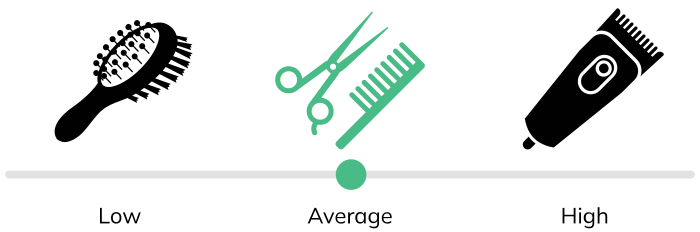
The black and tan coonhound’s short coat doesn’t require much upkeep. However, they’ll still need to be groomed once or twice a week with a soft-bristled brush to keep their fur glossy and tangle-free. They should also be washed every four to eight weeks.
Black and tan coonhounds are known to slobber, so it’s best to get into the habit of carrying dog-friendly wipes with you at all times. You should also brush their teeth daily, clean their ears, and trim their nails if they become uncomfortably long.
Do Black and Tan Coonhounds Shed?
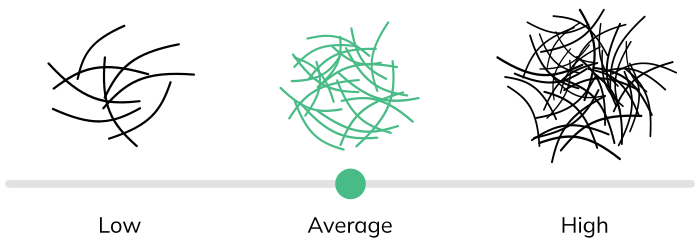
Black and tan coonhounds do shed, though not an excessive amount. They shed moderately throughout the year, with periods of heavier shedding during seasonal changes (in the spring and again in fall).
Fortunately, the black and tan coonhound’s fur doesn’t tend to cling to clothes and is usually easy to clean up. Regular brushing will also help to prevent their loose fur from getting everywhere around the home.
What Health Problems Do Black and Tan Coonhounds Have?
The black and tan coonhound is usually a robust dog, though, like every breed, they can be prone to certain health conditions. This includes health concerns such as hip dysplasia, ear infections, hypothyroidism, and ectropion (an eyelid anomaly).
Regular vet visits can help catch these concerns early, so it’s important to take your pup to all their routine appointments. You should also watch out for any unusual signs in their behavior. For instance, an ear infection can often manifest as excessive head shaking.
The black and tan coonhound is also susceptible to gastric dilatation and volvulus (bloat) due to their large size and deep chest. This life-threatening condition happens when the coonhound’s stomach fills up with an excessive amount of gas or fluid and twists on itself.
Bloat requires urgent veterinary care. The sooner your pup gets treatment, the greater the chance they’ll have of survival. Watch out for the common signs of bloat, such as a swollen abdomen, dry retching, excessive panting, and pacing.
While it’s not always possible to prevent bloat, there are some precautions you can take that can help. You should feed your black and tan coonhound small meals throughout the day rather than one big meal, and also avoid exercising them immediately before or after mealtime. For further guidance on how to prevent bloat, it’s best to speak to your veterinarian.
How Long Do Black and Tan Coonhounds Live?
The black and tan coonhound’s lifespan is 10 to 12 years, which is similar to other dogs in the same size category. They are relatively hardy, so it’s possible they can live for a lot longer than this, especially if they avoid any serious health issues and are given proper care throughout their life.
What Should a Black and Tan Coonhound Eat?
The black and tan coonhound needs a diet that supports their energy level, large size, and athletic physique. The food should satisfy or exceed AAFCO standards and contain high-quality lean protein sources. It should also include a mix of healthy fats, minerals, carbohydrates, and vitamins.
Black and tan coonhound adults generally need around 3 to 5 cups of dog food per day, split across two to three separate meals to minimize the chances of bloat and to keep them feeling satiated.
That said, you should always adjust your pup’s nutritional needs to accommodate their age, health, activity level, and size. It’s best to consult a veterinarian for tailored dietary advice. Treats should also be included in their total caloric intake to prevent overfeeding.
Is a Black and Tan Coonhound the Right Dog for Me?
The black and tan coonhound can be a wonderful forever companion for many families. They have plenty of stamina and won’t turn down any opportunity for an adventure, making them an especially good fit for those who enjoy spending time outdoors. Still, they are affectionate and are equally content cuddling up with their favorite humans.
The black and tan coonhound may be the right dog for you if you’re active, have plenty of space within your home, and can commit to regular training. Ideally, you also have experience with stubborn breeds and are confident enough to manage their large, powerful build.
You may want to consider another breed if you live in an apartment or lead a busy, hectic work schedule. The black and tan coonhound’s high prey drive also means they aren’t a good match if you have small pets like hamsters or cats.
If you can give the black and tan coonhound the support and home life they need to thrive, your devotion will quickly be rewarded with their loyalty, affection, and unconditional love.