Barbet: Your Complete Guide
The barbet is a rare breed, but once you meet one, you’ll see why they’re so memorable. Their curly coat, bearded face, and cheerful personality make them truly charming.
Bringing a barbet home will be the best decision of your life if you’ve always wanted a dog that has a working-dog mindset but doesn’t look intimidating or overly serious. However, there’s a lot more to consider before deciding if this breed is a good match for you.
This guide breaks down everything you need to know about living with a barbet, from their history and temperament to grooming, training, and health.
Table of Contents
Quick Look at the Barbet
Below is a quick overview of the barbet’s physical traits, personality, and lifestyle requirements.
| Weight/Height | 35-65 lbs. and 19-25 inches tall |
| Coat Type | Long, dense, curly |
| Grooming Needs |  |
| Shedding |  |
| Temperament | Friendly, sweet, obedient, joyful |
| Good With Kids |  |
| Good With Other Animals | |
| Intelligence | |
| Easy to Train |  |
| Energy Level | |
| Barking Habits | |
| Lifespan | 12-14 years |
What Is the History of Barbets?
The barbet is a French water dog, with roots that go back centuries in Europe, particularly in France. Written records dating back to the 16th century describe barbets working alongside hunters to retrieve waterfowl from marshes, lakes, rivers, and waterways.
That job required a dog with stamina, a strong swimming ability, a good nose, and a coat that could handle cold water and rough terrain. These traits still show up in the modern breed. Even if your barbet never retrieves a duck in their life, you’ll see that same love of water, willingness to work, and cooperative mindset.
Historically, the barbet influenced or contributed to the development of several other curly-coated water breeds, which is why dog historians bring them up when discussing European sporting dogs.
The barbet’s population declined sharply during the World Wars as hunting styles changed. At one point, their numbers dropped so low that the breed nearly disappeared.
Fortunately, a few dedicated enthusiasts worked to save the breed. Their efforts helped rebuild the population and preserve the barbet’s legacy.
What Do Barbets Look Like?

According to the official standard of the barbet, these medium-sized dogs have a distinctive, rounded outline created by their thick, curly coat. The body is usually well-proportioned and athletic, which allows them to move so easily through water and rough terrain. When viewed from the side, their shape is slightly longer than it is tall.
Barbets have a broad head and a long tail that flows naturally behind them when they move. Their thick, curly coat covers their entire body and gives them a rugged, outdoorsy appearance. Even the eyes are partially framed by curls, while the long ears blend smoothly into the coat on the head.
What truly sets this breed apart is the heavy facial hair that forms a pronounced beard around the muzzle and chin. This beard is what inspired the dog’s name, which comes from the French word “barbe,” meaning “beard.”
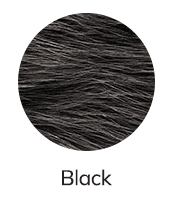
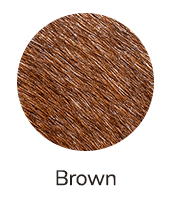
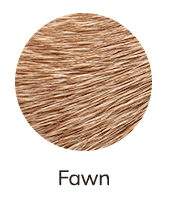
Barbets come in a wide range of colors, including black, dark or light brown, gray, fawn, and white. Some dogs may show white markings, though solid colors are more common. Since their coat continues to grow, the coat color can sometimes appear richer or more muted, depending on length and how the curls catch the light.
What Size Is a Barbet?
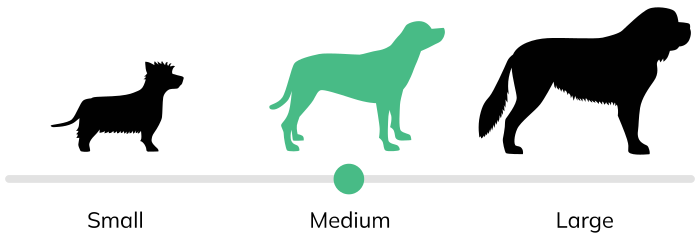
The barbet is a medium-sized dog, though they can lean toward the small end of medium-large, depending on height and weight.
Most adults are 19-24.5 inches tall, with weights commonly ranging from 35 to 65 pounds. Males usually fall toward the higher end, while females may be slightly smaller. Also, individual genetics, diet, and activity level can make a noticeable difference. Regardless, these dogs should feel solid and muscular under the coat, not thin and fragile, and not heavy or sluggish.
What Is a Barbet’s Coat Type and Length?
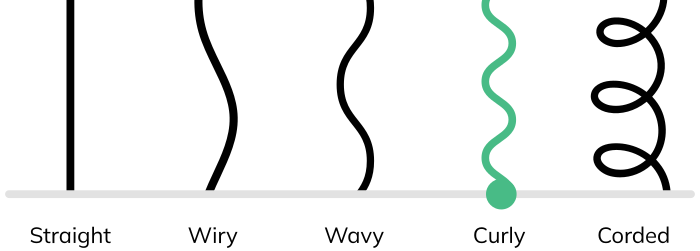
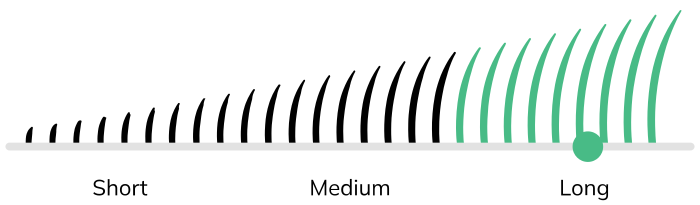
The barbet’s coat is dense, curly, and woolly for maximum protection against water and cold. The curls can be tighter on some dogs and looser on others, but the overall texture is meant to be insulating and weather-resistant.
Coat length varies widely based on grooming preferences. Left longer, the coat can become quite full and shaggy, which gives the breed that classic, soft, tousled look. Kept shorter, it’s easier to maintain and can be more comfortable for very active households, especially if the dog swims often.
Please note that the coat can mat close to the skin if it’s allowed to grow without routine care. A longer coat can look beautiful, but it demands more brushing and combing. A shorter trim usually reduces daily effort, but you still need to prevent tangles in friction areas like behind the ears, under the collar, the armpits, and around the tail.
What Is a Barbet’s Temperament?
These dogs are cheerful, affectionate, and people-centered. They have a playful side that doesn’t disappear after puppyhood. The barbet personality combines the social warmth of the friendliest dogs with the mental focus typical of working breeds.
These dogs want to be included in everything you do. They love having a job (even if it’s just learning tricks or carrying a toy), and they quickly get attached to their family members.
Since this breed was made to cooperate with humans, barbets do best in homes where someone enjoys interacting with them daily. They won’t be happy if left alone to play in the yard, no matter how big it is.
Are Barbets Good With Kids?
In most cases, yes. Barbets can be excellent family dogs. They’re gentle and playful, and they enjoy being part of a lively household as long as they’re treated kindly.
However, if you have younger children, you need to supervise how they interact with the barbet, as any dog can get overwhelmed by rough handling, loud chaos, or unpredictable movements. The best outcomes happen when kids learn respectful habits, like not hugging too tightly, not pulling curls or ears, and giving the dog space during rest and mealtimes.
For older kids and teens, barbets can be the best four-legged companions because they’re always up for training games, backyard play, and long walks.
Are Barbets Good With Other Animals?
Barbets do well with other dogs if you socialize them from puppyhood and teach them how to behave politely. They can be friendly at the dog park, though you’ll still need to consider each dog’s temperament before letting them engage in group play.
When it comes to cats, a barbet can live peacefully with one, particularly if they’re raised with them or introduced gradually. Their friendly nature usually helps, but you’ll still want to manage early interactions, so the dog doesn’t chase the cat out of excitement.
If you have a smaller pet (like a rabbit, guinea pig, or hamster) at home, you’ll have to be extremely cautious. The barbet’s history as a hunting and retrieving dog can translate into interest in quick-moving animals. That doesn’t mean they can’t coexist, but it does mean you should use secure enclosures, supervise them, and teach calm behavior.
Similarly, leash training and recall work is a must for outdoor adventures. Your barbet will likely want to chase squirrels or birds simply because it’s fun and instinctive.
Are Barbets Aggressive?
No, these dogs are naturally friendly. However, aggression is never just about breed. It’s usually a result of genetics, socialization, training, health, and environment.
A poorly socialized barbet might become fearful, and fear can sometimes show up as growling, snapping, or defensive behavior. A dog that’s stressed, in pain, or repeatedly pushed past their comfort zone can also react badly, regardless of breed.
Resource guarding (like protecting food or a favorite toy) can also appear in any breed, so it’s a good idea to practice respectful handling, trade-up games, and calm routines from puppyhood.
Do Barbets Bark?
These dogs bark, but not all the time. Expect alert barking when someone approaches, when they hear new sounds, or during play.
If you live in an apartment or a neighborhood with noise restrictions, the bigger concern is often boredom barking. If you don’t provide a barbet with enough physical activity and mental engagement, they may create their own entertainment by vocalizing.
If you want a quieter household, you should teach them to be silent on command and avoid accidentally rewarding barking with attention.
Are Barbets Affectionate?
Yes, barbets are quite affectionate and like to stick close to their people. Some are snuggly lapdogs in spirit, even if they’re not tiny enough to fit comfortably on your lap. They may be especially devoted to the person who trains them, walks them, feeds them, or spends the most time with them.
That said, barbets aren’t the type of dogs that fling themselves at every new person immediately. They only become friendly with a stranger once they feel safe.
Are Barbets Intelligent?

The barbet is an intelligent breed that enjoys mental challenges and interactive learning. These dogs often show awareness of their environment and respond well to activities that require thinking, such as puzzle toys or training games.
While these dogs are clearly intelligent in everyday life, some formal rankings list them as average learners based on how many repetitions it takes them to master a new command. In practice, this usually means they prefer understanding the purpose of a task rather than repeating it quickly, especially if training lacks variety or motivation.
Are Barbets Energetic?
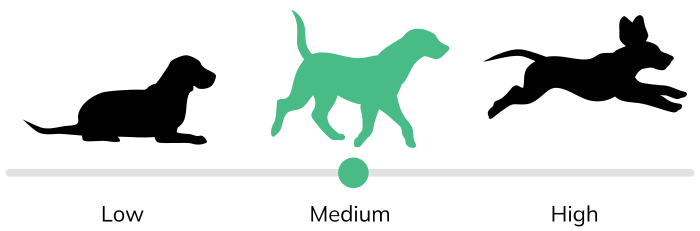
Barbets have a medium-to-high energy level, especially when they’re young. They need daily exercise and are happiest when it includes variety. Think walks, play sessions, training, and ideally some off-leash running in a safe area. A quick potty walk won’t cut it as their only activity.
That said, they’re not always frantic dogs if you meet their needs. Many barbets settle nicely indoors after they’ve had a solid physical and mental outlet.
A good routine for a barbet includes at least one longer walk per day, along with dedicated play or training time. If they enjoy water (which many do), swimming can be an excellent low-impact exercise that also satisfies their instincts.
Consistency is important here. A barbet that gets regular outlets is calmer and easier to live with than one that’s only exercised occasionally. With the latter, you may see attention-seeking or displacement behaviors, restlessness, or mischievous creativity.
Are Barbets Easy to Train?
For many owners, barbets are a pleasure to train because they’re smart, cooperative, and highly motivated by treats, toys, and praise. Thanks to their working history, they like having a task and receiving feedback.
These dogs can learn complex tricks, enjoy agility training, and often do well in dog sports that combine movement with thinking. Training sessions don’t have to be long. Short, regular sessions usually work best, especially for young dogs.
The biggest training challenges usually come from fixable issues. This may include puppy excitement, jumping, leash pulling, or selective hearing when something more interesting is nearby. If you’ve never trained a dog before, we recommend investing in expert-guided training courses.
Are Barbets Good Watchdogs?
Barbets can be decent alert dogs because they notice changes in their environment and may bark to tell you something is happening. However, they aren’t intense guard dogs.
They’re more likely to warn you and then look to you for direction rather than take matters into their own paws. If you want a dog that naturally patrols the home and is highly suspicious of strangers, the barbet may feel too friendly and social.
Are Barbets Good Service Dogs?
While barbets have the intelligence and trainability to perform some service dog tasks, their social and sensitive nature usually works against them in highly demanding service roles.
That said, they may do well as therapy dogs because they can be gentle, social, and comforting when properly trained and socialized. Their close bond with humans also makes them great candidates for emotional support animal roles, especially for people who benefit from routine, outdoor activity, and an emotionally present pet.
If you’re seriously considering a barbet for service work, you’ll have to work with experienced professionals, choose a puppy from stable, health-tested lines, and focus heavily on early socialization and neutrality training.
How to Care for a Barbet?
Caring for a barbet involves daily exercise, mental engagement, coat maintenance, and social connection. These dogs do best when they have predictable routines that involve walks, training sessions, play, and downtime with their people.
Since they’re social, barbets are happiest in homes where they aren’t left alone for very long hours every day. If your schedule is busy, planning enrichment (puzzle feeders, scent games, rotating toys) and hiring help for midday breaks can make a big difference.
Regular veterinary care, a healthy diet, dental hygiene, and weight management are important for this breed, especially because a curly coat can hide body condition changes. You should also be mindful of ear care, particularly if your dog swims or has heavier ear furnishings, since moisture can get trapped and contribute to irritation.
Do You Need to Groom a Barbet?
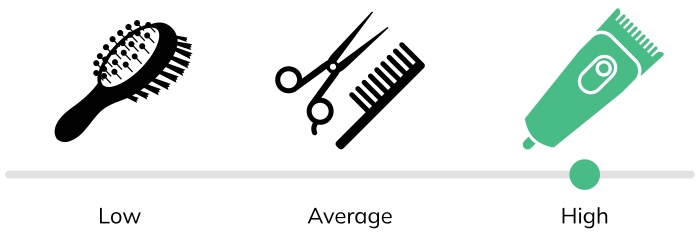
Yes, grooming isn’t optional with a barbet if you want their coat to stay comfortable and healthy. The curls can mat close to the skin and become painful, trap moisture, or irritate the skin.
Responsible owners follow a routine that includes regular brushing and combing down to the skin, plus scheduled trims. Some people learn to trim at home, but many choose a professional groomer, especially if they want a specific look or need help maintaining the coat evenly.
Frequency depends on coat length and lifestyle. A longer coat usually requires more frequent at-home grooming, while a shorter trim can reduce daily workload. Either way, the friction points (behind the ears, under the collar, and under the legs) need the most attention.
If your barbet swims, gets muddy, or hikes in burr-heavy areas, grooming becomes even more important because debris can tangle into curls quickly.
Do Barbets Shed?
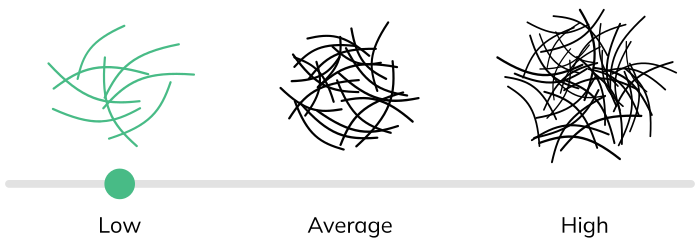
Barbets are low-shedding dogs, and many owners notice less hair around the home compared with other long-haired breeds. Loose hair can get trapped in their curls, which can lead to matting if grooming is skipped. You may not be vacuuming piles of fur every day, but low shedding comes with the need for regular coat maintenance.
While no dog is completely hypoallergenic, barbets may be easier for some allergy-sensitive people because of their coat type and low shedding. Reactions vary from person to person, so the only way to know for sure is to meet a barbet in real life.
What Health Problems Do Barbets Have?
Hip dysplasia is a common concern among medium-to-large active dogs, and barbets are no exception. Keeping your barbet at a healthy weight, providing appropriate exercise, and choosing a puppy from health-tested parents can help reduce this risk.
Eye issues can also appear in some dogs, which is why reputable breeders focus on eye health and overall soundness.
If your barbet enjoys frequent swims or has heavy ear furnishings that can trap moisture, you’ll also want to look out for ear infections. Regular ear checks and drying after water activities can help.
How Long Do Barbets Live?
Barbet lifespan depends on factors like body condition, diet quality, exercise, dental health, injury prevention, and early detection of health problems. On average, these dogs live 12-14 years, though some may live longer with excellent care, good genetics, and a bit of luck.
What Should a Barbet Eat?
Barbets should eat a balanced, high-quality diet that matches their age and activity level.
Puppies need food that helps them grow at a controlled pace, so their joints develop properly. Adult barbets should eat enough to stay energetic without gaining excess weight, while older dogs may need food that is easier to digest and supports joint comfort.
Portion sizes can vary from dog to dog, so it’s better to watch your barbet’s body shape instead of following feeding amounts exactly. You should be able to feel their ribs without pressing hard and see a clear waist. Treats are helpful for training, but they should be given in small amounts. Many people use tiny treats or reduce meal portions slightly when training often.
Is a Barbet the Right Dog for Me?
A barbet is perfect for someone who has the time and energy to invest in a dog on a daily basis. This breed enjoys routine, daily interaction, and a sense of purpose, whether that’s training, play, or companionship. This makes them great for people who work from home, have flexible schedules, or enjoy active hobbies.
On the other hand, a barbet may not be right for you if you want a low-effort dog in terms of grooming, or if your schedule keeps you away for long hours with little time for daily exercise and interaction.