Australian Terrier: Your Complete Guide
On the outside, the Australian terrier appears like some sort of Yorkie mix to the unfamiliar eye, especially the ones that have blue and tan coats. However, the Australian terrier is a purebred dog with distinct qualities that make them stand out among other terrier-type dogs. They are much calmer and sociable than your average terrier, but still keep a feisty, bold side that comes out when necessary.
In this Dog Academy breed guide, we will take a look at all the unique qualities of the Australian terrier to help you decide whether or not this breed from Australia is the right dog for you and your family. Read on as we uncover the Australian terrier’s personality, size, coat, intelligence, health, individual needs, and much more.
Quick Look at the Australian Terrier
Below is a quick look at the Australian terrier; you will find a detailed explanation of each point and more in the coming parts.
| Weight/Height | 15-20 pounds / 10-11 inches |
| Coat Type | Rough double coat |
| Grooming Needs |  |
| Shedding | |
| Temperament | Spirited, brave, affectionate, playful |
| Good With Kids |  |
| Good With Other Animals | |
| Intelligence | |
| Easy to Train | |
| Energy Level | |
| Barking Habits | |
| Lifespan | 11-15 years |
What Is the History of Australian Terriers?
The Australian terrier is one of the few dog breeds that originates from Australia. The origins of these dogs date back to the dogs that were brought to Australia by British settlers in the 19th century. It is thought that the modern-day Australian terrier descends from interbreeding various dog breeds that come from England, Scotland, Ireland, and Wales.
Some of the dog breeds that are considered to be the foundation for the Australian terrier include cairn terrier, dandie dinmont terrier, Norwich terrier, Skye terrier, and, of course, the Yorkshire terrier. By the turn of the 20th century, Australian terriers were relatively well-known in Australia, and the first Australian terrier club was formed in Melbourne.
The first Australian terriers were imported to the United States in the late 1940s, and the Australian Terrier Club of America, the ATCA, was formed in 1957. Not so long after the club was formed, the American Kennel Club (AKC) recognized the Australian terrier in 1960, and the breed became the 114th formally recognized dog breed.
As for the Australian terrier’s popularity today, it would be wrong to say that the breed is well-known. In 2024, the Australian terrier ranked 158th in the AKC’s most popular breeds list.
What Do Australian Terriers Look Like?
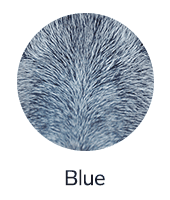
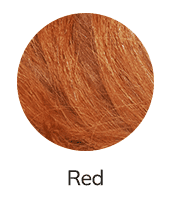
While the most recognized coat color of the Australian terrier is blue and tan, this dog breed can also have red or sandy coats. The red and sandy coats look uniform, whereas the black and tan varieties have the majority of their coats black at the back, with the tan covering their head, neck, chest, and legs.
In addition to their fewer numbers, this coat color and how it is formed are why many mistake the Australian terrier for a Yorkie mix.
What Size Is an Australian Terrier?
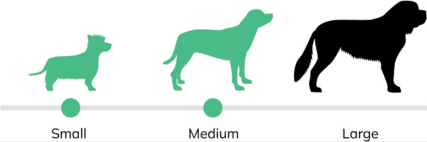
The Australian terrier is a fairly small dog, but they can grow quite big, almost becoming a medium-sized dog. They can weigh anywhere between 15 and 20 pounds and stand 10 to 11 inches tall at the shoulder. If you’re planning on getting an Australian terrier but have strict preferences on size, whether you want a bigger or a smaller dog, be sure to work with a responsible breeder in your area who can give a good probability of the puppy’s adult size.
Check out Dog Academy’s Puppies for Sale page to see the Australian terriers listed for sale in your area. There are countless Australian terrier breeders posting their puppies on our website to connect with those interested in this breed.
What Is an Australian Terrier’s Coat Type and Length?
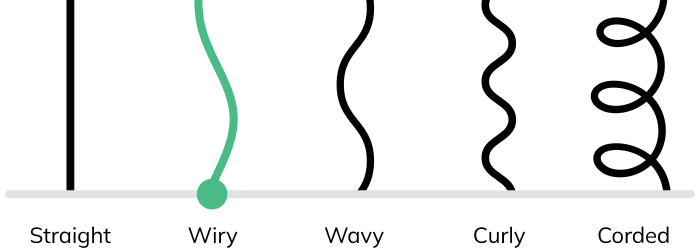
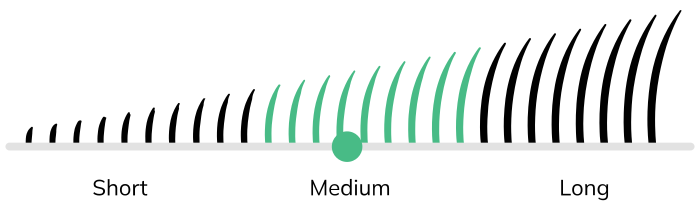
The Australian terrier has a rough, wiry top coat to keep off dirt and a soft undercoat to keep them warm. Whilst they don’t shed much, you may find a lot more hair around your house as the weather changes between seasons. The Australian terrier’s double coat also requires regular upkeep – continue reading to learn more about their grooming needs.
What Is an Australian Terrier’s Temperament?
The Australian terrier has a temperament that you would expect from any terrier-type dog. They have a bossy side that appears around unfamiliar people and dogs, and a vulnerable, affectionate side that comes out when receiving love from their family members. However, they are more loving and sociable than most other terrier-type breeds, which makes them easier to manage, especially for first-time owners.
You will find more on the Australian terrier’s unique personality traits below regarding their family life, tendency to act aggressively, barking habits, and more.
Are Australian Terriers Good With Kids?
While many terriers aren’t the best breed pick for families with young children, the Aussie terrier proves to be the opposite. They get along well with children of all ages and do equally well with both quiet and playful kids. These dogs are highly adaptable in this regard. Whether you want your next dog to keep kids active, cuddle up with them to show affection, or both, the Australian terrier is going to be a great dog to have at home.
Still, an adult’s supervision, especially around young children, is essential in ensuring everyone in the family gets along well with each other. Teaching kids to respect the Aussie terrier’s space and play calmly is also important to avoid unwanted interactions.
Are Australian Terriers Good With Other Animals?
The Australian terrier is like most other terriers when it comes to their relationship with other animals, with a little bit of extra sociability. They enjoy interacting with friendly dogs during walks and making friends. However, they can still keep their dominant side up in their interactions with other dogs, which requires socialization to properly manage. Otherwise, as with any other terrier, the Australian terrier can be a little too much to handle.
When it comes to other household pets, note that most Aussie terriers have a high prey drive. An Australian terrier can get along well with cats (or learn not to mess with them the hard way) if raised together, but they can have a hard time around small animals like guinea pigs and hamsters. This should be a consideration for households with small prey animals.
Are Australian Terriers Aggressive?
Australian terriers aren’t inherently aggressive. They are generally calm dogs that have an outgoing side that enjoys making friends; this is the default for this breed. However, note that a lack of socialization can lead to aggression in Australian terriers, as it would do for any other dog breed.
Whether you’re raising an Aussie terrier puppy or adopting an adult Australian terrier, prioritize socialization or fixing behavioral issues like reactivity to avoid any aggressive tendencies. Given that the Aussie terrier still has terrier blood, this is an important part of having one of these dogs that everyone interested should keep in mind.
Do Australian Terriers Bark?
Surprisingly, Australian terriers aren’t big barkers like many other terrier-type dog breeds – another trait that makes them stand out among others. They tend to keep it quiet, unless there’s a reason to use their bark, which makes them excellent watchdogs, a point that we will expand on later.
However, this doesn’t mean that all Aussie terriers are quiet. Some might bark more than others, to the point where it can be a problem. If you notice signs of excessive barking, be sure to address it promptly to avoid it becoming a problem down the line.
Are Australian Terriers Affectionate?
As mentioned above, the Aussie terrier is an affectionate dog. They enjoy nothing more than cuddling up with their owners and receiving all the love they can get. Aussie terriers aren’t one-person dogs that attach to one particular person to have them as their favorite human, so they like receiving affection from every member of their family.
This affectionate nature, however, can make them prone to develop separation anxiety, which can make them engage in destructive or clingy behaviors. If you find that your Aussie terrier is overly affectionate, be sure to take actions to prevent separation anxiety or manage it with appropriate training methods like crate training. In case you need help with this, our Minimizing Separation Anxiety course, which has over 5,000 reviews, can help.
Are Australian Terriers Intelligent?
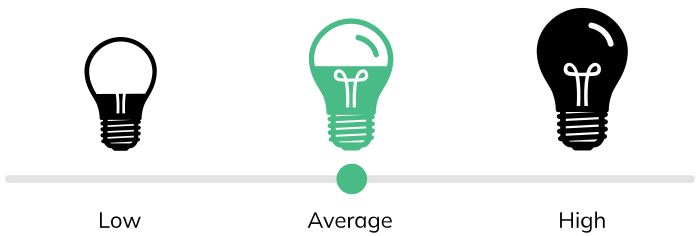
The Aussie terrier is overall an intelligent dog breed, but it would be wrong to expect a level of intelligence similar to a border collie. These dogs are smart, but in their own ways; we will touch on how their intelligence impacts their trainability below.
Are Australian Terriers Energetic?
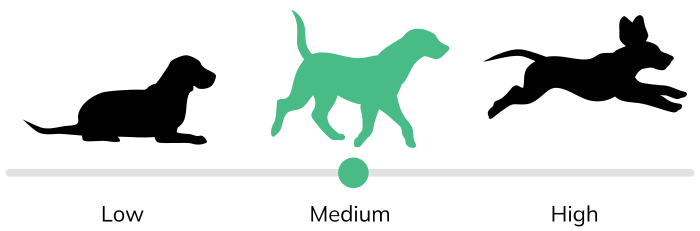
The Australian terrier is fairly energetic but rarely hyper. That’s, of course, unless they get the zoomies. They are overall calm dogs that won’t decline an invitation to playtime, but also don’t ask for anything rigorous to be satisfied. A combination of casual walks and some playtime that lasts for about 30 to 45 minutes is enough to meet their daily exercise needs.
However, Aussie terriers also need an adequate amount of mental stimulation to be happy with their lives. Exploring new places, interacting with friendly dogs, solving dog puzzles, and taking new routes during walks are all great ways to provide the mental stimulation an Australian terrier needs.
Are Australian Terriers Easy to Train?
Australian terriers are overall easy to train once you know what works with these dogs, which is positive reinforcement training. Using tasty treats, playtime, and praise, you can motivate them to learn new commands and skills. Even though they aren’t always the most intelligent in the room, their eagerness to please their owners, coming from their working dog backgrounds, makes them pretty competent in training.
Are Australian Terriers Good Watchdogs?
With their tendency to only bark when there’s a reason for it, Aussie terriers make excellent watchdogs. You can count on these dogs to alert you in case of someone suspicious approaching your yard. However, some Aussie terriers might take this to the next level and bark at doorbells, mail carriers, and friendly neighbors, which shouldn’t be mistaken for excessive barking; it would be considered alert barking.
Are Australian Terriers Good Service Dogs?
While Aussie terriers are wonderful watchdogs and family companions, we can’t say that they make great service dogs. The trainability these dogs have and their reliability to perform learned tasks in different public situations raise questions about their suitability for service dog work.
However, thanks to their affectionate personalities, Australian terriers make fantastic emotional support animals that can provide therapeutic benefits to individuals with psychiatric disabilities.
How to Care for an Australian Terrier?
With all their care requirements so far, it is safe to say that the Australian terrier is a dog that doesn’t demand too much. Still, it is important to understand their basic care needs, which will enable you to make an informed decision on whether the Australian terrier is the right dog for you. Here’s more on the basic care needs of the Aussie terrier; we will touch on their grooming, health, and feeding needs.
Do You Need to Groom an Australian Terrier?
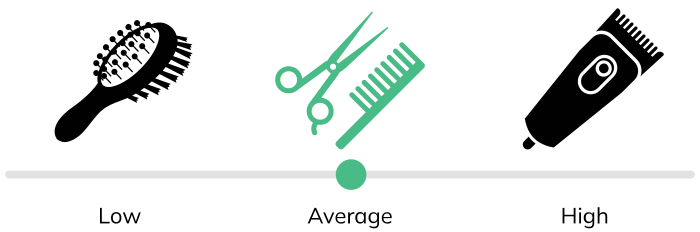
With their medium-length double coats, Australian terriers have average grooming needs. They need to be brushed two to three times a week and require light trimming every few months. Without regular maintenance, their coats may tangle over time and become matted, which can be uncomfortable for the dog and require much more work on your part to restore.
While this is what it takes to care for an Australian terrier’s coat, they also have other basic grooming needs like ear cleaning, dental care, and paw care, which are just as important as caring for their coats, if not more.
Do Australian Terriers Shed?
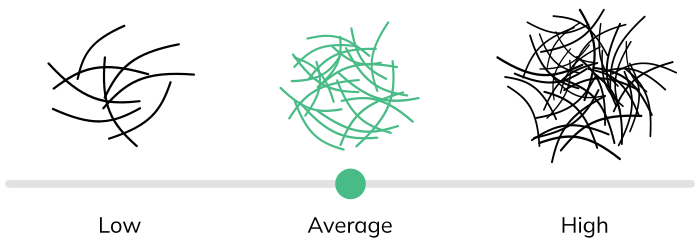
The Australian terrier’s soft undercoat is designed to keep them warm, therefore when the seasons become cooler you may find that your dog will shed a small amount. However, with regular brushing, and more around the turn of the seasons, keeping your home clean shouldn’t be too much of a concern.
What Health Problems Do Australian Terriers Have?
Australian terriers are generally healthy dogs that live much of their lives without major health issues. The health problems that prospective owners should watch out for include luxating patella, Legg-Calve-Perthes disease, and eye conditions like cataracts and progressive retinal atrophy.
While these can be hereditary, which requires working with a responsible breeder who screens the health of their breeding stock to avoid them, there are also other health problems to note, such as ear infections and dental issues. Fortunately, these can be avoided by keeping an Aussie terrier’s ears clean and brushing their teeth daily.
How Long Do Australian Terriers Live?
The Aussie terrier has a life expectancy of 11 to 15 years, which is average compared to many similarly-sized dog breeds, whether they are terriers or not. However, keep in mind that genetics, diet, and environmental factors can also have a big impact on how long your Aussie terrier lives.
What Should an Australian Terrier Eat?
An Australian terrier should eat a diet that supports their overall well-being and lifestyle. Generally, most commercially available dog food formulated for small-to-medium-sized dog breeds is ideal for Australian terriers, whether in the form of kibble or fresh food. However, the dog food should also be formulated for their age and activity levels. For example, they can gain excess weight on dog food for puppies or energetic/working breeds.
Is an Australian Terrier the Right Dog for Me?
The Australian terrier is a suitable dog breed for a wide range of people, from first-time owners looking for an affectionate dog, to households with kids, to single individuals who simply want a small canine companion to keep them company.
This level of suitability means that you must look at your personal preferences to determine whether the Australian terrier is the right dog breed for you. If you’re looking for an affectionate, easygoing, and fairly low-maintenance terrier, the answer should be yes, but if you have certain traits in mind, like an active breed to tag along on outdoor adventures for hours, then you might want to look for another breed.
At Dog Academy, we have guides on over a hundred dog breeds; if you think that the Aussie terrier isn’t the right dog to have, check out our breed guides to learn more about other breeds that might be the one for you.