American Dingo: Your Complete Guide
The American dingo isn’t the kind of dog you grow up hearing about or stumble across at a neighborhood park. Other names for this breed include Carolina dog, yellow dog, yaller dog, and Dixie dingo.
American dingoes don’t behave like your typical household dogs because they weren’t selectively bred to make them look a certain way, have particular traits, or perform specific tasks. Instead, they evolved naturally, adapting over generations to survive alongside humans without becoming entirely dependent on them.
This difference affects everything from how these dogs move and observe their surroundings to how they bond with their owners. Before deciding whether bringing one home is right for you, make sure you understand their history, temperament, energy levels, grooming needs, health considerations, and daily care requirements.
Table of Contents
Quick Look at the American Dingo
The table below provides a quick overview of the American dingo’s physical traits, personality, grooming demands, and lifespan.
| Weight/Height | 30-55 lbs. 17.75-19.5 inches |
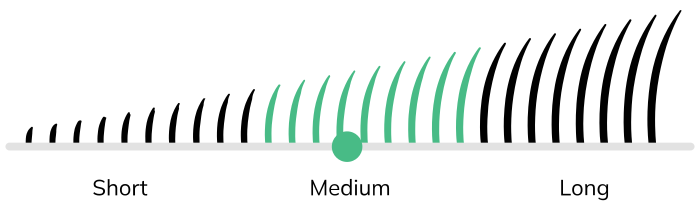
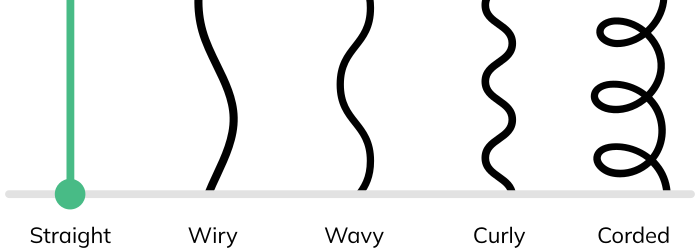
| Coat Type | Smooth, dense coat of short-to-medium length |
| Grooming Needs |  |
| Shedding |  |
| Temperament | Gentle, loyal, adaptable, independent |
| Good With Kids | |
| Good With Other Animals | |
| Intelligence |  |
| Easy to Train | |
| Energy Level | |
| Barking Habits | |
| Lifespan | 12-15 years |
What Is the History of American Dingoes?
The history of the American dingo dates back thousands of years to the earliest human migrations into North America. When primitive humans crossed the Bering Land Bridge from Asia, they brought early domesticated dogs descended from Asian wolves.
Over time, these dogs adapted to new environments through survival rather than human-directed breeding. They scavenged, hunted small prey, guarded camps, and lived alongside humans while maintaining a degree of independence.
Archaeological findings provide strong support for this lineage. Skeletal and mummified remains of these early dogs have been found alongside artifacts belonging to Southwest Native American tribes. From there, these dogs moved with human populations into Central and South America and across the eastern United States.
Additional discoveries of canine remains in ceremonial burials within southeastern forests further indicate that these dogs were valued companions long before European colonization. Modern researchers studying free-ranging dogs in the Southeast and Southwest noted striking similarities to those early dogs in appearance, behavior, and ecological adaptation.
It was in the 1970s when Dr. I. Lehr Brisbin formally identified and named these dogs “Carolina dogs” after encountering them in the southeastern United States.
What Do American Dingoes Look Like?
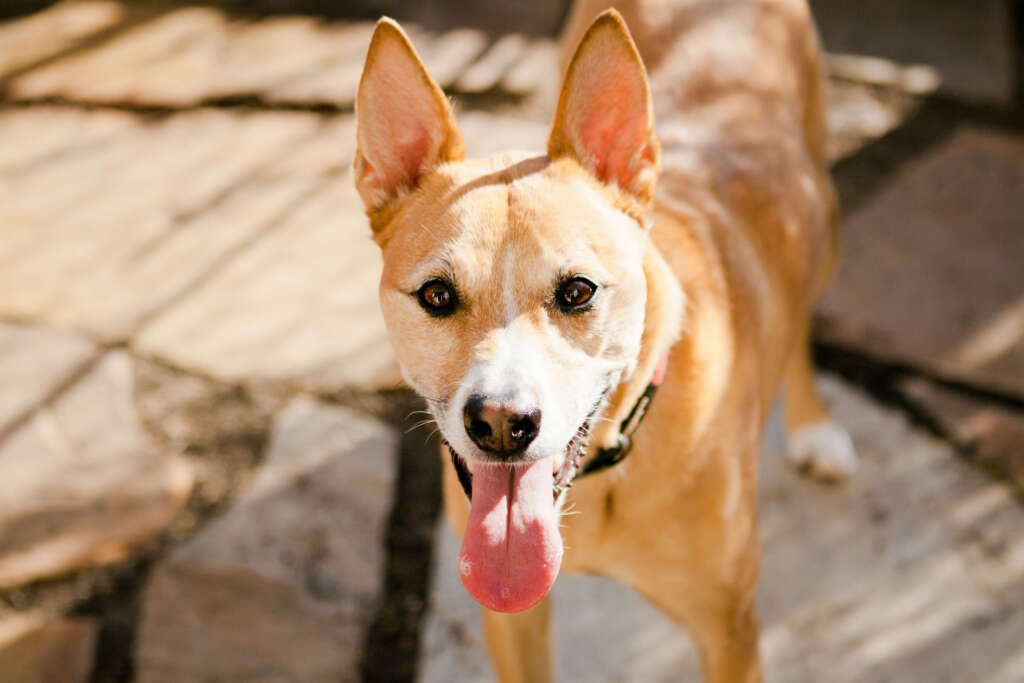
American dingoes have a light-to-medium bone structure. Their primitive look resembles that of a small wolf or jackal. The body is rectangular rather than square, with a straight, medium-length back that allows the dog to travel long distances and move with ease.
The bushy tail is another distinctive feature. It forms a slight fishhook curve at the tip and resembles a pump handle when the dog is relaxed. The tail’s position changes with the dog’s emotional state, and many dogs have a white tip at the end.
This breed gets its alert expression from its medium-to-large upright ears, complemented by a long, graceful neck and a pointed muzzle. In ideal condition, an American dingo appears thin, tight, and well-conditioned, with ribs sometimes faintly visible, similar to a racing sighthound. A thick, stocky, or overweight build is considered uncharacteristic of the breed.
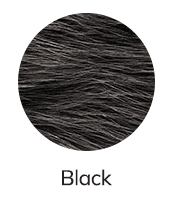
Coat colors vary widely and may include shades of black, black and tan, tawny, red, buff, yellow, or white. Some dogs have lighter underbellies, darker facial markings, or subtle saddle patterns along the back. The breed is meant to look natural, with no trimming, scissoring, or whisker removal.


What Size Is an American Dingo?
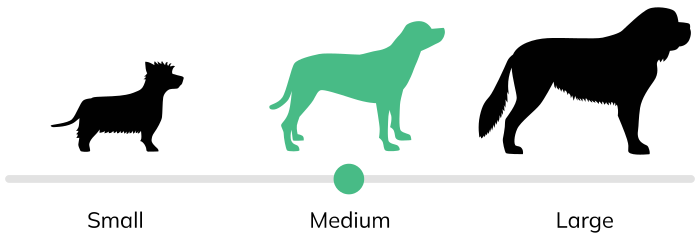
The breed standard describes the American dingo as a medium-sized dog, standing 18 to 24 inches tall. Size can vary by sex and overall build, but the breed should always maintain a lean, athletic appearance rather than a bulky one.
Weight usually falls between 35 and 50 pounds, with females tending to be slightly lighter and more refined than males, though the difference is subtle. Overfed dogs may exceed this range, but excess weight is considered undesirable.
The American dingo should always resemble a medium-sized sighthound, with a visible waist tuck and a light, agile build. A heavy, stocky, or oversized body that lacks elegance and agility is considered a fault.
What Is an American Dingo’s Coat Type and Length?
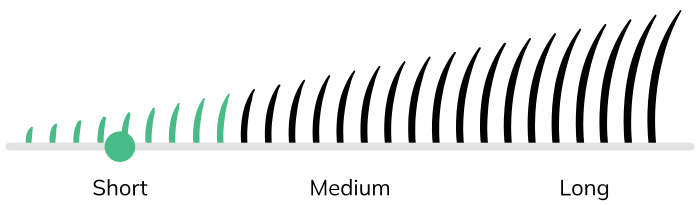
The American dingo has a close-lying coat whose length can change with the seasons. Dogs living in colder climates, as well as winter coats in general, tend to be noticeably heavier than the lighter summer coat. Despite this seasonal variation, the coat always lies close to the body and maintains a natural, functional appearance.
Hair on the head, ears, and front legs is usually short and smooth, while slightly longer, coarser guard hair extends over the neck, withers, and back. These are longer than the undercoat and may stand erect when the dog is alert or aroused.
In some dogs, the guard hair is darker, creating the appearance of a subtle ridge along the back. Ginger-colored dogs and some black-and-tan individuals may also show lighter-colored hair behind the shoulder blades, commonly referred to as “angel wings.”
Unlike curly or long-haired breeds, American dingoes don’t require frequent trimming or specialized coat care. This makes them relatively low-maintenance in this area.
What Is an American Dingo’s Temperament?
The temperament of the American dingo is deeply influenced by its primitive roots. These dogs are alert, observant, and highly aware of their surroundings. A shy and suspicious nature is common, especially around unfamiliar people or situations.
Unlike many modern companion breeds, they aren’t wired to seek out attention or enjoy frequent handling from strangers. That said, excessive fearfulness or aggressive behavior is not characteristic of a stable American dingo. A healthy temperament allows these dogs to remain calm and self-controlled, even when approached or handled.
The American dingo’s personality is best described as independent yet loyal. You shouldn’t expect this breed to be outgoing/clingy or physically affectionate with people outside their trusted circle. This temperament appeals to people who want a dog with a strong sense of self and emotional depth.
Are American Dingoes Good With Kids?
Whether an American dingo is good with kids depends on the child’s age, behavior, and the dog’s early experiences. This breed usually does best with older children who are calm, predictable, and able to follow rules about personal space. These dogs aren’t naturally tolerant of chaotic environments and might withdraw rather than engage when overwhelmed.
When children are taught the right way to approach and interact with the dog, and the dog is given time to build trust, they can form a meaningful connection and remain attentive and protective toward the children in their household.
That said, you should always have someone supervising interactions between a child and an American dingo, especially during the early stages of the relationship.
Are American Dingoes Good With Other Animals?
Compatibility with other animals varies widely among American dingoes. Some coexist peacefully with other dogs, especially when introduced early. However, many retain a strong prey drive, which can make them unreliable around small pets, such as cats, rabbits, or birds. Similarly, outdoor wildlife may trigger chasing behavior in this breed due to its instincts.
They can tolerate cats if raised with them, but owners should exercise caution when introducing adult American dingoes to new animals.
Are American Dingoes Aggressive?
American dingoes aren’t inherently aggressive. However, since they’re naturally cautious, they may become defensive if they feel threatened. These dogs aren’t known for unprovoked aggression, snapping, or excessive territorial behavior, though.
Like any dog, poor socialization or inconsistent handling can lead to behavioral issues. With proper training and positive reinforcement, most American dingoes make stable, well-mannered companions.
Do American Dingoes Bark?
Barking is not a defining trait of the American dingo. Unlike many alert or herding breeds that vocalize frequently, this breed barks only when there’s a clear reason. Most vocalizations are meant to alert you to unfamiliar sounds, movement, or unusual changes in the environment.
These dogs can live comfortably in households with noise restrictions, as long as their exercise and mental stimulation needs are met. Excessive barking usually indicates stress or unmet needs, rather than being a natural trait of the breed.
Are American Dingoes Affectionate?
American dingoes aren’t outwardly affectionate in the way many companion breeds are, but that doesn’t mean they lack emotional connection. Their affection is usually calm and understated, shown through watchfulness, proximity, and selective engagement. Some dogs might enjoy gentle petting or quiet bonding moments with family, while others prefer minimal touch.
You can expect your dog to take their sweet time to warm up to new people. Also, don’t be surprised if they refuse to be handled by strangers, even after multiple introductions. This behavior is typical of the breed rather than a sign of poor temperament.
Are American Dingoes Intelligent?
Yes, they’re highly intelligent, curious, and perceptive. However, their intelligence presents differently from that of more biddable breeds. It becomes more apparent over time and is best described as self-directed and situational.
Owing to their primitive roots and strong survival instincts, American dingoes like to observe, assess, and decide how to respond to a command. This can be mistaken for stubbornness, but it just means they want to be involved in tasks that allow them to use their problem-solving skills.
These dogs are quick to pick up on household routines, body language, and emotional cues. Sometimes, they might respond even before you give a verbal command. This level of mental sharpness makes them engaging companions for experienced owners who like working with dogs that think for themselves.

Are American Dingoes Energetic?
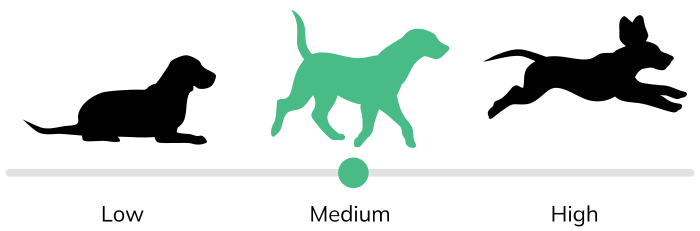
American dingoes are active, but their energy level is moderate. This means they like long walks, exploratory outings, and free movement in a secure area, but they’re not hyperactive all the time. It’s rare for this breed to be super excitable and impulsive indoors if their exercise needs are already met.
In addition to physical exercise, you should plan mental enrichment activities that require an American dingo to engage their senses. This way, they’ll be less likely to become bored, restless, or withdrawn.
Are American Dingoes Easy to Train?
Training an American dingo looks different from training an eager-to-please breed. These dogs are intelligent and capable of learning complex behaviors, but their independent nature means progress happens best through patient, respectful guidance rather than repetition. You need to focus on building trust first using reward-based methods.
While early training is helpful, there’s no single window when learning must begin. Many owners worry that they’ve missed their chance, but the truth is that it’s never too late to train your dog. You can train an adult American dingo just as well as a pup as long as you adjust your expectations and use relationship-focused training techniques that respect the dog’s pace.
Are American Dingoes Good Watchdogs?
This breed’s cautious, observant nature lends itself well to watchdog behavior. Their strong environmental awareness allows these dogs to detect subtle changes, and they alert their family to unfamiliar activity through brief barking, body language, or focused attention.
That said, American dingoes aren’t bred for protection work and shouldn’t be expected to act as guard dogs. No matter how big the threat, they’re less likely to physically intervene and show aggression.
Are American Dingoes Good Service Dogs?
These dogs are generally not used as service dogs. That’s because service dog work requires more than cognitive ability alone. A successful service dog has to be highly adaptable, consistently responsive, and comfortable with constant human interaction. Since American dingoes are naturally cautious, independent, and reserved, they don’t meet these requirements.
That said, individual temperament plays a significant role. With early socialization and professional training, some American dingoes might successfully perform specific tasks for their handlers, particularly in low-stimulation environments. However, the breed as a whole isn’t considered well-suited for full-time service work.
In private settings, some American dingoes excel as emotional support animals because they form exceptionally close bonds with their owners.
How to Care for an American Dingo?
You can only care for this breed properly if you understand its independent nature and adapt your lifestyle accordingly. These dogs do best in homes where they can follow a routine, while also having a sense of freedom. Make sure you maintain a calm environment to prevent overstimulation, and set up some quiet areas for your dog to retreat to when stressed.
Daily exercise is a must, but it’s best to focus on quality instead of intensity. After meeting their basic movement needs, let your furry friend indulge in sensory activities and interactive toys to help them unwind and stay mentally fulfilled. A securely fenced yard or controlled outdoor access is also important, as American dingoes may wander if given the opportunity.
Apart from this, a well-rounded care plan includes high-quality nutrition, routine veterinary care, and attention to dental and parasite health.
Do You Need to Groom an American Dingo?
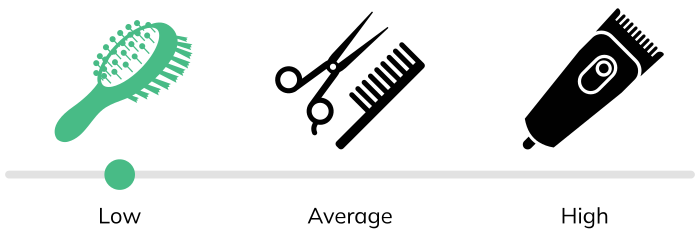
Grooming needs are minimal for this breed. Their short to medium, close-lying coat doesn’t mat easily and stays clean with minimal effort. Occasional brushing is usually enough to remove loose hair, distribute natural oils, and keep the coat looking healthy.
Bathing is only necessary when the dog becomes noticeably dirty, as frequent baths can strip the coat of its natural oils. Professional grooming is rarely required, and cosmetic trimming is unnecessary. In fact, the breed is best maintained in a natural state, with no need for clipping or special coat treatments beyond basic care.
Other than that, you have to trim your dog’s nails and get their ears and teeth checked from time to time.
Do American Dingoes Shed?
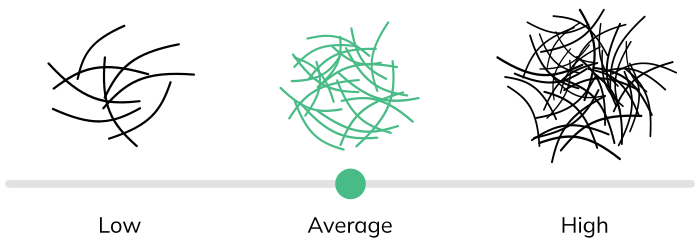
Yes, but shedding is generally moderate and predictable with this breed. Most American dingoes experience heavier shedding during seasonal coat changes in the spring and fall, as they transition between lighter and denser coats.
Sometimes, climate and living conditions also play a role. Dogs in colder environments may develop thicker winter coats and shed more noticeably when warmer weather arrives, while those in milder climates may shed more evenly throughout the year.
As with most breeds, American dingoes aren’t suitable for people seeking a hypoallergenic dog.
What Health Problems Do American Dingoes Have?
Thanks to their natural development, American dingoes are generally healthy and resilient. Their genetic diversity has helped limit many of the inherited conditions commonly seen in more standardized breeds. As a result, serious breed-specific health problems are relatively uncommon.
That said, these dogs aren’t immune to lifestyle-related health concerns. Obesity, for one, can become a major risk factor if exercise and diet aren’t adequately managed. Excess weight increases the likelihood of joint strain and mobility issues over time.
While serious problems like hip dysplasia and arthritis aren’t widespread, they can occur and are best managed through early detection and weight control. Parasites, including fleas, ticks, and intestinal worms, are also a concern for dogs that spend time outdoors. Routine parasite prevention and annual veterinary visits should be prioritized to catch potential issues early.
How Long Do American Dingoes Live?
The American dingo lifespan ranges from 12 to 15 years, with many dogs remaining active well into their senior years. Their longevity is often attributed to genetic diversity and a lack of extreme physical traits that can shorten lifespan in heavily bred dogs.
People who stay attentive to subtle changes can help their American dingoes remain comfortable and engaged as they age.
What Should an American Dingo Eat?
American dingoes need nutritionally complete meals that provide sufficient protein and essential vitamins and minerals to help maintain a lean body condition. Active dogs may require slightly higher-calorie diets, while others benefit from more controlled portions.
It could be a high-quality commercial diet or a carefully planned home-prepared diet, as long as you consult with a vet and get their approval.
If you use treats during training, make sure you count them as part of your dog’s daily intake to prevent overfeeding.
Is an American Dingo the Right Dog for Me?
If you’re a first-time dog owner, you might find it challenging to take care of an American dingo, unless you’re committed to learning about primitive dog behavior and investing time into training and building a trust-based relationship.
This breed is best suited for experienced dog owners who don’t mind having a companion whose loyalty is earned over time. Homes with predictable routines, calm energy, and access to secure outdoor space are also usually a good match.