Affenpinscher: Your Complete Guide
The affenpinscher is a unique toy breed that has a striking resemblance to a monkey, so much so that they’re often nicknamed the little monkey dog. However, they aren’t just similar to a monkey in terms of their appearance. They’re also spritely and have a fun-loving, mischievous side. They seem to always find ways to keep their family members laughing and on their toes.
While the affenpinscher is one of the best canine comedians around, they aren’t all fun and games. When on alert, they turn into a fearless, larger-than-life protector who will do all they can to keep their loved ones safe… Even if their tiny exterior can’t quite match up to their inner fire.
The affenpinscher is relatively rare in the US. However, that doesn’t mean they won’t make a remarkable family pet and aren’t worth your consideration. Read on to learn more about this unique toy breed. We’ll delve into the common affenpinscher personality traits, as well as their history, care needs, and everything else worth knowing about them.
Table of Contents
Quick Look at the Affenpinscher
Below is a quick glance at this special breed in terms of their physical characteristics, lifespan, temperament, and grooming needs.
| Weight/Height | 9 to 11.5 inches tall, weighing between 7 and 10 pounds |
| Coat Type | Wiry, dense, short-to-medium coat |
| Grooming Needs |  |
| Shedding |  |
| Temperament | Fearless, mischievous, confident, and loyal |
| Good With Kids | |
| Good With Other Animals | |
| Intelligence |  |
| Easy to Train | |
| Energy Level | |
| Barking Habits | |
| Lifespan | 12 to 15 years |
What Is the History of Affenpinschers?
The affenpinscher might look like a monkey, or if you’re a Star Wars fan, a tiny version of an Ewok. However, their roots aren’t as wild or otherworldly as their unique appearance may lead you to believe. Their history actually begins in 17th-century Germany (not on the moon of Endor).
The affenpinscher was initially bred as a ratting dog, specifically, to kill small rats in German stables. At the time, they were slightly larger than the modern affenpinschers of today. However, over the years, they gradually moved from outdoor stables to German family homes. They were tasked with keeping kitchens free of mice (and German ladies’ dresses safe from nibble marks).
The affenpinscher’s small size, unique looks, and playful temperament quickly endeared German ladies… So much so, that they began to treat them as a companion and a lap dog. They were selectively bred to be smaller and better suited to this new purpose, transforming them into the larger-than-life toy pup we know today.
The affenpinscher was first recognized by the American Kennel Club (AKC) in 1936, and the Affenpinscher Club of America was later established in 1965.
Affenpinschers have retained their ratting instincts, but nowadays? You’re more likely to find them in family homes and the show ring than in outdoor stables. In fact, an affenpinscher, adorably known as “Banana Joe,” won the Westminster Kennel Club’s Best in Show in 2013.
What Do Affenpinschers Look Like?


The affenpinscher is a toy-sized breed with a sturdy, square-like physique that gives away their heritage as a ratting dog. They also have a moderately broad, deep chest, straight topline, and short neck.
However, the affenpinscher is most famous (and beloved) for their unusual facial features. They resemble a monkey, with round dark eyes, a protruding jaw, and a blunt nose. They also have an impish expression and longer hair on their eyebrows and beard.
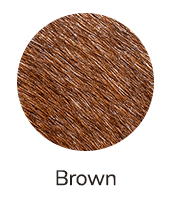
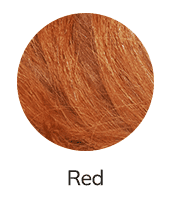
The affenpinscher has a wiry, harsh coat that comes in various colors. Their fur ranges from dark hues like black and tan to light reds, beige, and silver. Some affenpinschers also have black mask markings and a subtle white spot on their chests.
What Size Is an Affenpinscher?
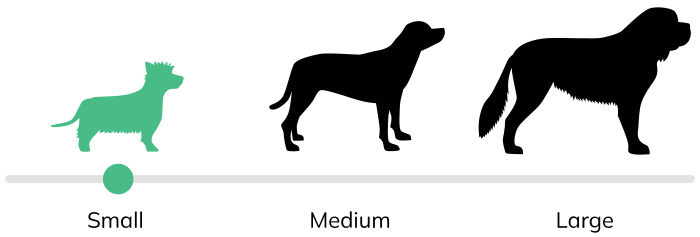
The affenpinscher is a toy-sized breed that typically stands 9 to 11.5 inches tall at the shoulder. Their height is approximately equal to the length of their body, giving them their distinctive, square-like shape. Females tend to be slightly longer than males.
The affenpinscher weighs a slight 7 to 10 pounds. They can put on weight quickly if they’re overfed, making it important to monitor their portion sizes closely. You should also never give them table scraps and be mindful when feeding them calorie-dense treats.
What Is an Affenpinscher’s Coat Type and Length?
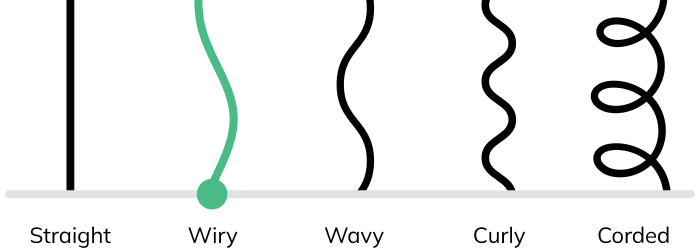
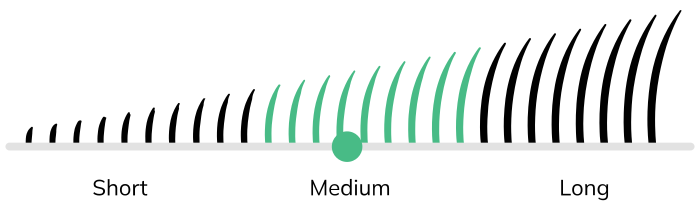
The affenpinscher has a harsh, dense, and wiry coat that generally measures around 1 inch in length.
However, their fur does tend to be slightly longer on their neck and chest. Their longer hairs have a softer, almost shaggy texture. As we touched on earlier, the affenpinscher also has long fur on their head and facial features, which helps emphasize their monkey-like appearance.
What Is an Affenpinscher’s Temperament?
The affenpinscher is the epitome of a big dog in a tiny package. They’re bursting with courage and terrier-like fire, and won’t hesitate to take on any “aggressor” who dares stand in their way.
This serious attitude, despite their tiny size, makes for plenty of entertaining (and adorable) moments. However, it does need to be carefully managed with consistent training and socialization. This will ensure they don’t become overly vigilant and understand when to rein in their fire.
With their family, the affenpinscher is loyal and affectionate. They can be mischievous, so they’ll need to be kept a close eye on, and you’ll likely want to keep your shoes out of their reach.
The affenpinscher adjusts readily to different lifestyles and family circumstances, though they shouldn’t be left home alone for more than a few hours. They are prone to separation anxiety, and they may become distressed and display unwanted (and potentially destructive) habits.
To prevent separation anxiety, it’s important to help build your affenpinscher’s confidence and give them ways to relax when you can’t be around them. For instance, you can leave them a special toy, give them long-lasting chews, and create a quiet, comfortable space with a crate. You should also consider hiring a dog sitter.
Are Affenpinschers Good With Kids?
Affenpinschers can make loving, larger-than-life pets for the whole family, and that extends to children. They often bond well with kids and will quickly liven up their days with their funny antics and playfulness.
However, affenpinschers aren’t typically the best match for boisterous toddlers. They aren’t as tolerant of loud, high-energy children as other breeds. They also require gentle handling, as their fragile bodies are prone to fractures.
To foster positive, healthy interactions between your affenpinscher and kids, socialization, close supervision, and training are essential. Kids should also be taught proper handling etiquette and how to use basic obedience cues like “stay” and “leave it.”
Are Affenpinschers Good With Other Animals?
Many small breeds prefer to be the only dog of the household. However, the affenpinscher does tend to be more comfortable around other dogs. With a proper introduction and early socialization, they often bond well. They will soon be encouraging them to go along with their mischievous escapades.
Just be mindful that the affenpinscher should only be kept together with dogs who are similar in size. While the affenpinscher may be bold at heart, their small stature means they can easily be trampled or injured from roughhousing.
The affenpinscher’s friendly nature doesn’t typically extend to small pets. Due to their ratting heritage, they have a strong prey drive and are likely to chase after them — especially rodents like rats and hamsters. The affenpinscher should never be left alone with small pets, and you’ll want to keep them leashed around wildlife as well.
Are Affenpinschers Aggressive?
While the French describe the affenpinscher as “diabolitin moustachu” (mustached little devil), they aren’t inherently aggressive. Raised with proper care, they grow up to be confident, affectionate, and gentle. They form strong bonds and are total softies beneath that terrier-esque bravado.
That said, the affenpinscher does have certain traits that can make them seem aggressive. They take time to get accustomed to unfamiliar faces, for instance, and also have a high prey drive. Some affenpinschers can also display territorial tendencies, especially if they haven’t undergone enough socialization during puppyhood.
If you’re concerned about your affenpinscher’s behavior, it’s best to schedule an in-person session with a professional trainer. They can provide hands-on guidance and help tackle behaviors like growing or snapping. With their experienced eye, they will also be able to effectively read your pup’s body cues and ensure you’re training them at an appropriate pace.
Do Affenpinschers Bark?
The affenpinscher is a rather notorious barker, no doubt in part because of their fearless side and ratting heritage. They are expressive and will bark to alert you of dangers or to communicate their feelings. They tend to bark more when they’re excited and playing, especially if it’s games that tap into their hunting instincts.
The affenpinscher’s barks are loud and high-pitched, with a distinctive “yappiness” to them. They are typically not the best choice for those who value a peaceful, quiet living space, though training can help keep their barking tendencies under control.
Are Affenpinschers Affectionate?
The affenpinscher is happiest when they can be close to their family. While they aren’t as affectionate as certain toy breeds, they’ll still enjoy resting on their loved one’s lap after a long day of “protecting” them from possible threats. They will also express their affection through licks, gentle nudges, and playful mischief.
The affenpinscher can be more wary around unfamiliar faces, especially if they’re meeting them on their home turf. They tend to greet them with their devilish attitude rather than a tail wag or lick. However, once they’re given enough praise and treats? That unfamiliar face will quickly become a friend they can trust, and they’ll warm up in no time.
Are Affenpinschers Intelligent?

The affenpinscher is extremely intelligent despite what their goofy antics may lead you to think. Their high intelligence, combined with their curious, alert nature, is what allowed them to excel for years as a ratting dog.
The affenpinscher will need to be given plenty of ways to channel this brainpower. Provide them mental enrichment through training, games, and snuffle mats, and be sure to change up their walking routes regularly to keep their day-to-day exciting and novel.
Are Affenpinschers Energetic?
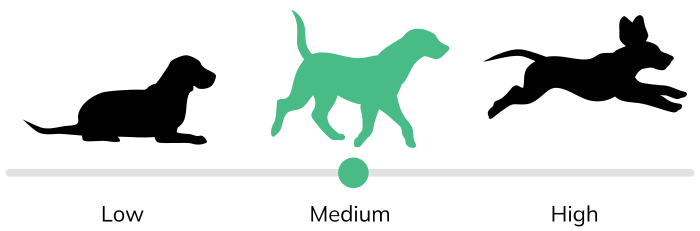
The affenpinscher may be small, but they often amaze their family with just how much energy they have within them. They’re sprightly and will need at least 45 minutes of exercise per day to keep both their mind and body in shape.
Exercise can be in the form of engaging walks, gentle runs, and outdoor games like fetch or hide and seek. Every affenpinscher will have their own preferences when it comes to activities they enjoy. However, many affenpinschers appreciate exercises that give them a chance to put their ratting instincts to the test (e.g., flirt poles).
Alongside this, the affenpinscher will also enjoy playtime with their favorite humans. Aim for at least 30 minutes of daily play, ideally spread throughout the day to prevent boredom.
Are Affenpinschers Easy to Train?
The affenpinscher loves to work alongside their loved ones, though it isn’t the easiest to train. Sharing many traits with a terrier, they have a strong spirit and will only listen to their owner’s commands if there is trust, and crucially, they’re also motivated in the right way.
As a prospective affenpinscher owner, be prepared to allocate a good amount of your day to their training. Be patient, maintain a consistent routine, and build each session on positive reinforcement (reward-based) methods.
Start with basic obedience to lay a strong foundation, and gradually move on to more difficult commands. Over time, the affenpinscher may even be able to master advanced agility tricks, like weaving through legs.
To help curb the affenpinscher’s stubbornness, find out what motivates them the most and leverage positive tools like a clicker. You should also keep their training sessions brief. Long, arduous sessions can cause them to lose interest and become frustrated, ultimately preventing them from seeing training as a fun pastime worth engaging in.
Are Affenpinschers Good Watchdogs?
Brave and fiercely devoted, the affenpinscher has a natural talent as a watchdog. You can expect them to proudly adopt the role of a doorbell and bark the moment someone comes to your door. They’ll also bark to alert you of any other unusual activity. However, just note that they lack the imposing size needed to be an effective guard dog.
Are Affenpinschers Good Service Dogs?
The affenpinscher is not a common pick for service work. While they are intelligent and confident, their independent streak makes them harder to train than other breeds. Their high prey drive also often pulls their attention away.
An affenpinscher can be taught service cues like tactile stimulation and medication retrieval. However, they won’t be able to help with more strenuous service tasks because of their small, fragile build.
Still, the affenpinscher can excel in certain therapeutic roles, particularly as an emotional support animal. Their compassionate side, combined with their loyalty and protective instincts, can truly provide life-changing support and comfort for those with disabilities.
How to Care for an Affenpinscher?
The affenpinscher isn’t a go-to breed for inexperienced owners; they are really only “toy-like” in terms of their size. They have demanding care needs and need a high amount of exercise, training, and socialization to be content. Their mischievous streak can also lead them to engage in unwanted, destructive behaviors, so this needs to be kept a close eye on.
While we’ve touched on the essentials above, we’ll provide more insight into the affenpinscher’s care needs below. You’ll learn how to groom their coat, what to feed them, and why they require routine vet checkups.
Do You Need to Groom an Affenpinscher?

The affenpinscher’s wiry coat isn’t as intense as some breeds, though they’ll still need a thorough brush once or twice a week.
Start with a gentle slicker brush, grooming in a down-and-out motion, and then swap to a metal wire comb to tackle excess fur. Tease out any mats you encounter with your fingers, going at a slow pace that won’t overwhelm the affenpinscher. You will also need to gently “pluck” out (strip) any blown, dead hairs to help their coat retain its wiry texture.
Special attention should be paid to the affenpinscher’s longer, shaggier hairs, as these parts are the most likely to tangle and trap debris. You should also keep the hair around their eyes and mouth well-trimmed to prevent irritation.
The affenpinscher also benefits from professional grooming every few months to keep their coat looking neat. A groomer can also wash them, trim their nails, and check for concerns like ticks. Don’t forget about routine oral care, too; daily teeth brushing is essential to prevent dental disease.
Do Affenpinschers Shed?

The affenpinscher doesn’t shed much, and some even consider them to be a hypoallergenic dog. You’re unlikely to spot their fur around your home if you keep up a consistent grooming routine and hand strip them as needed.
While the affenpinscher isn’t a heavy shedder, you should always meet them in person before setting your heart on this breed if you have allergies. Everyone reacts differently, and a breed that’s “hypoallergenic” for some might still trigger an adverse reaction in others.
What Health Problems Do Affenpinschers Have?
The affenpinscher tends to live a long, healthy life like many small breeds, though they are predisposed to certain health issues due to their genetic makeup. Common health concerns seen in affenpinschers include:
- Patellar luxation
- Hip dysplasia
- Mitral valve disease (MVD)
- Cataracts
- Dental issues
The affenpinscher is also a brachycephalic breed. This means they have physical features that make it difficult for them to breathe, exercise, and regulate their body temperature. These distressing symptoms are often referred to as brachycephalic obstructive airway syndrome (BOAS). In severe cases, surgery may be required to alleviate them.
You can manage BOAS by monitoring the affenpinscher’s health carefully and with lifestyle changes. For instance, you should avoid exercising them during hot weather and give them easy access to both shade and fresh water. You should also help them maintain a healthy weight.
If you’re considering an affenpinscher puppy, always work with a responsible breeder who tests their breeding stock and is associated with official breed clubs. Poor breeding can put the affenpinscher at greater risk of health problems later in life, particularly BOAS symptoms.
How Long Do Affenpinschers Live?
The affenpinscher lifespan is an impressive 12 to 15 years, and it’s not uncommon for these pups to live longer than this with proper care.
You can help your affenpinscher lead a good, active life with regular exercise, a healthy diet, and routine vet appointments. As we mentioned above, you should also take proactive measures to manage BOAS-related symptoms.
What Should an Affenpinscher Eat?
The affenpinscher should be fed a balanced, nutritious diet designed for a small active breed. The food should contain high-quality lean protein sources to support muscle maintenance, as well as healthy fats and complex carbs to keep them energized. The food should also contain essential nutrients and vitamins for overall well-being and coat health.
As the affenpinscher is predisposed to BOAS, it’s important to help them maintain a healthy weight. Excess weight can put unnecessary strain on their body and breathing, ultimately exacerbating symptoms.
Don’t overfeed them treats and pay close attention to their portion sizes. Most affenpinschers should be fed around ¼ to 1 cup of dog food per day, but speak to a veterinarian to get a more accurate picture of your pup’s appropriate calorie intake.
Is an Affenpinscher the Right Dog for Me?
The affenpinscher may be nicknamed the mustached little devil in some parts of the world, though their personality is that of a faithful and gentle companion. Combined with their hilariously larger-than-life attitude? It’s hard not to fall in love with this adorable canine. However, their demanding care needs mean they aren’t a good fit for every home.
The affenpinscher may be the one for you if:
- You’re after a small dog who still has enough energy to play
- You want a dog who’ll make you laugh daily
- You’re willing to put lots of time into their training
- You don’t want to deal with fluff
You may want to consider a different breed if:
- You live with boisterous toddlers or small pets
- You aren’t prepared to invest in their health
- You work long hours
It is always important to decide not only if a dog is good for you, but if you would be good for an affenpinscher.