

































Introducing a new puppy to your current dog is often an exciting process, and many dogs will become fast friends and eas...
Read MoreAdopt Me
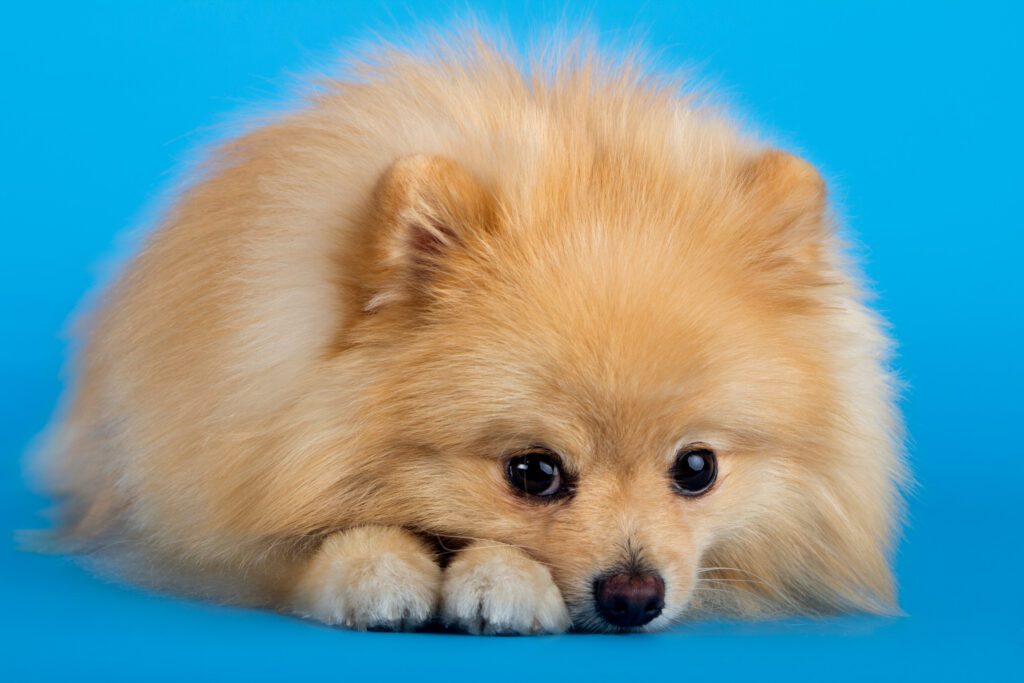
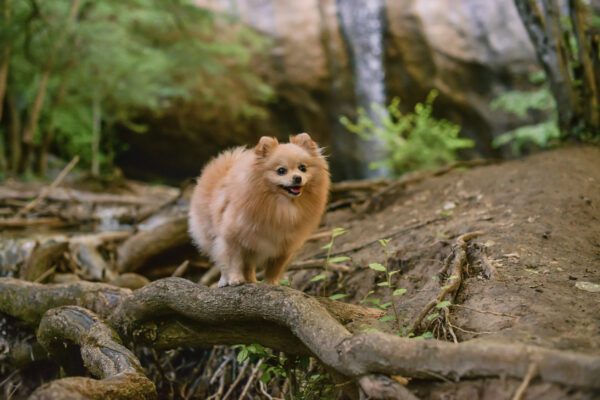
Pomeranians are bright, bold, and affectionate companions. They pack a big personality into a small, foxlike frame. Many love to cuddle, follow their people from room to room, and learn clever tricks. Their double coat is fluffy and expressive, and their alert nature makes them lively watchdogs. With the right routine and training, a Pom fits beautifully into apartments, townhomes, and quiet country homes alike.
Research matters before you adopt. Pomeranians can be vocal, sensitive, and very attached to their families. They need daily mental engagement, consistent house training, and regular brushing to manage shedding. Adoption is often the better path because you get transparency about health and temperament, plus a support system from the shelter or rescue that knows the dog.
West Virginia’s four seasons can suit a Pom if you plan well. Cool mountain mornings are great for short walks. Hot, humid summers call for shade and limited midday activity. Winters can be brisk in higher elevations, so a warm coat helps on quick outings. Rural landscapes invite adventure, yet a small dog needs close supervision on trails due to steep terrain and wildlife. With smart management, a Pomeranian can thrive in West Virginia’s outdoor lifestyle.
Start by browsing adoptable dogs at county shelters, humane societies, and reputable rescue groups. Many small purebreds appear through owner surrenders, transfers from overcrowded areas, or breed-specific rescues. You can search regional listings on Dog Academy, which makes it easy to filter for size, age, and location. National platforms like Petfinder and Adopt a Pet often feature Pomeranians and Pom mixes across West Virginia.
If you are near the Mid-Ohio Valley, check the Humane Society of Parkersburg, which lists small companions regularly. Many county shelters also partner with foster networks for dogs that do better in a home setting. Breed-savvy fosters can share valuable insights about barking, house manners, and grooming routines that are specific to Pomeranians.
Before applying, review the breed’s needs so you match with the right dog. Consider your schedule for brushing, potty breaks, training, and exercise. A Pom’s small size can be an advantage in apartments, but they still need daily enrichment. Honest self-assessment helps the shelter or rescue recommend a dog that fits your lifestyle.
The typical adoption process includes browsing listings, submitting an application, and providing references. Many groups schedule a meet-and-greet to see how you and the dog connect. Home checks or virtual tours are common, especially for small breeds that require secure yards and safe household setups. Approval timelines vary by organization, though many adoptions move from application to pickup within 1 to 2 weeks. Stay responsive to emails and calls to keep the process moving.
|
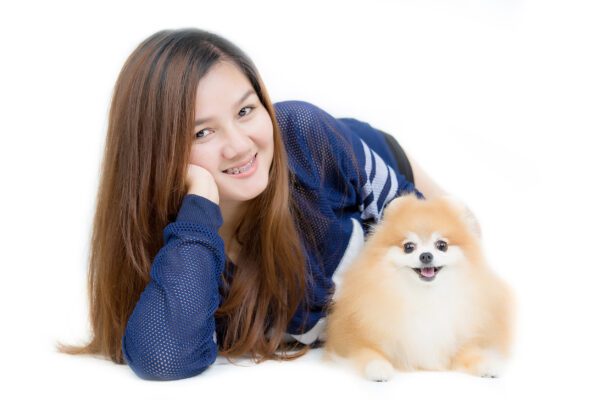
How Much Does It Cost to Adopt a Pomeranian in West Virginia?Expect most Pomeranian adoptions in West Virginia to fall between $200 and $450. Municipal shelters often land on the lower end, while breed-focused rescues that provide dental cleanings, spay or neuter, and specialized care may be higher. Costs vary based on age, demand for small purebreds, prior training, and medical work completed before placement. Adoption fees typically include core vaccines, spay or neuter, a wellness exam, deworming, and a microchip. Some rescues include dental work or blood panels for seniors. When comparing fees, ask for a breakdown of services. Comprehensive vetting upfront often saves money and stress after you bring your Pom home. |
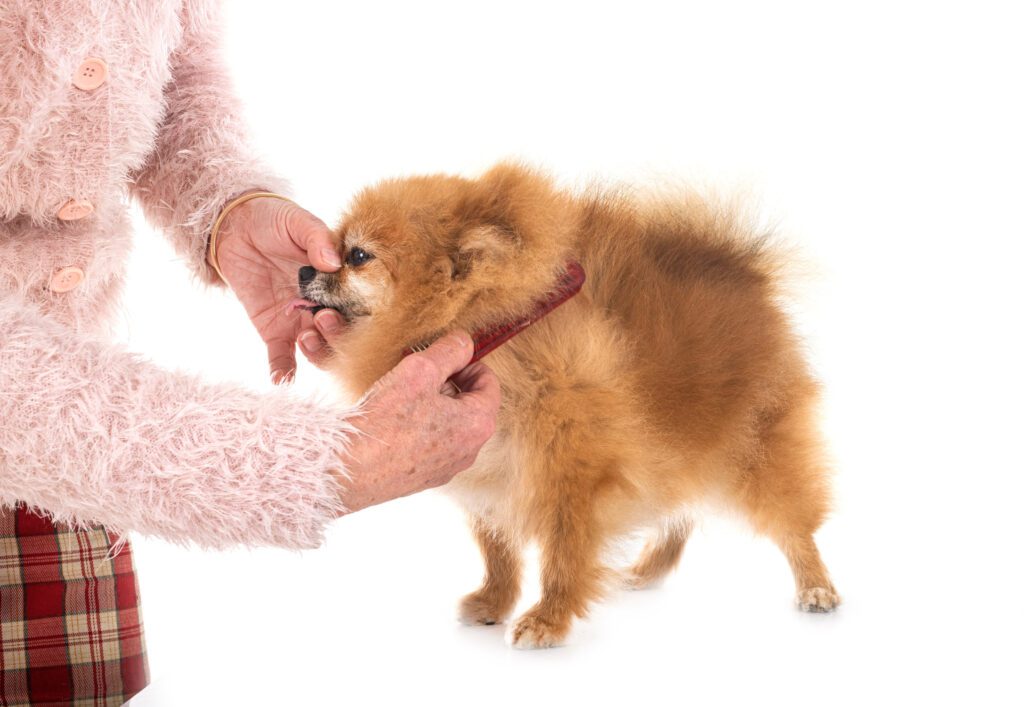
How Should I Train a Pomeranian?Pomeranians are intelligent and eager to engage, which makes them fun to train. They also carry a streak of independence and can be vocal when bored or uncertain. Positive, reward-based methods work best. Use short sessions, high-value treats, and upbeat praise. Keep training games varied to prevent frustration and to channel that bright, busy mind. Focus on calm greetings, quiet on cue, reliable potty routines, and gentle handling for brushing and nail trims. Many Poms benefit from crate training to support housetraining and to give them a safe retreat. Teach loose-leash walking and solid recall for safe exploring on West Virginia’s hills and trails. Avoid harsh corrections. Sensitivity can turn a small issue into a setback, while consistent rewards build confidence. For structured guidance, explore Dog Academy’s online training courses. Programs are expert-led and designed to solve real-life challenges like barking, house training, and leash manners. Dog Academy helps you build skills step by step, with clear lessons that fit busy schedules. |
|
A Pomeranian suits adopters who want a close companion, enjoy daily brushing, and can offer calm structure with plenty of play. They do best with families who appreciate training, provide regular mental stimulation, and keep an eye on weather and terrain. With realistic expectations and a steady routine, a Pom becomes a loyal, lively part of your life.
Take your time. Compare listings, speak with shelters and rescues, and ask detailed questions about health, behavior, and daily needs. When you are prepared and choose thoughtfully, adopting a Pomeranian in West Virginia is a rewarding decision that brings years of joy.

Introducing a new puppy to your current dog is often an exciting process, and many dogs will become fast friends and eas...
Read More
Rescue dogs can make great companions and can transform your home into something better. These dogs make great pets and ...
Read More
You should never rush to pet a dog. Even dog owners make the mistake of approaching unfamiliar dogs and petting them rig...
Read More
Puppy mill dogs are survivors who have endured extreme hardships in their lives. They have grown up in horrendous, unsan...
Read More
With their wagging tails and comforting presence, adopting a dog can add a unique touch to your life. It’s a heart...
Read More
Older dogs may have a few gray hairs around the edges, but that doesn’t mean they can’t make wonderful companions! T...
Read More