

































Introducing a new puppy to your current dog is often an exciting process, and many dogs will become fast friends and eas...
Read MoreAdopt Me
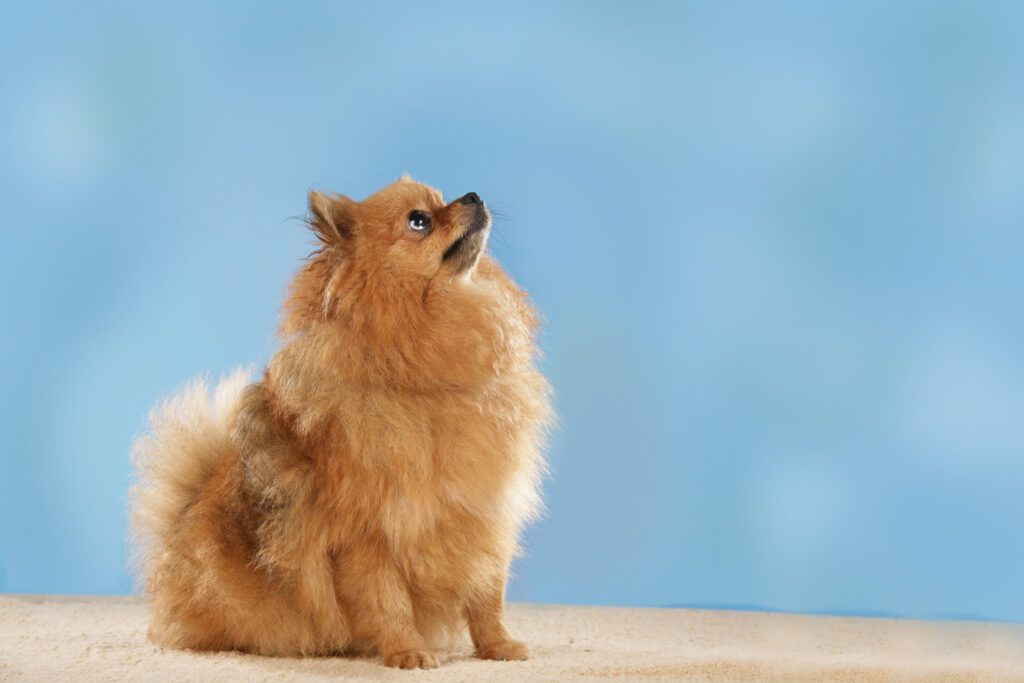

Pomeranians are the little fluff balls of the dog world. These dogs are small, have a face that resembles a teddy bear, and they love to play. It’s for these reasons that Pomeranians are some of the most popular small dogs you can find. Plus, they’re smarter than they look, so you shouldn’t have any issues training them, teaching them tricks, or even fitting them in a smaller Los Angeles or San Francisco apartment.
That said, before you adopt a Pomeranian in California, it’s important to learn more about the breed. For example, if you plan on adding a Pomeranian to your family and you have another pet already, it’s important to know how the Pomeranian might react. Furthermore, it’s important to determine if a Pomeranian is equipped to deal with California’s warmer summers and crowded city streets.
The good news is that we’re here to help. In this article, we take you through everything you need to know about caring for and adopting a Pomeranian in California. Read on to learn more about how to adopt a Pomeranian in California.
Pomeranians are some of the more interesting dogs you’ll come across. They’re on the smaller side, barely reaching 10 pounds, but if you have a bigger dog in your home, you’ll find them squaring up with them to assert their dominance. While this may be funny to watch, keep an eye on them as they interact with other pets and children and step in if you notice any bad behaviors. Fortunately, socialization from an early age can always help here.
Aside from how they interact with other animals, Pomeranians have pretty tame personalities. They’re loyal, affectionate, kind, and always down to hang out with you. However, Pomeranians will speak their mind, so expect some barking if they feel unhappy. To ensure that you have the best experience with a Pomeranian, make sure you spend a few hours daily with them and work on socialization and positive reinforcement training.
|
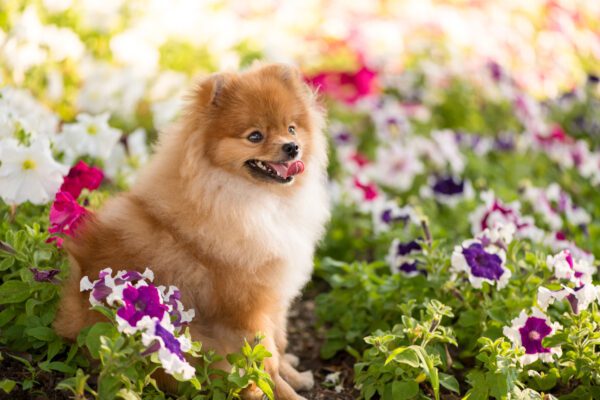
What Is a Pomeranian’s Temperament?If you want a little bit of dog but a lot of personality, boy, is the Pomeranian the right dog for you. Sure, they’re small, but their personality is fierce and they’ll bark when they want something, growl when they’re angry, and much more. That said, they’re rarely aggressive – more or less annoying if you get on their bad side. Fortunately, you can always work on these behaviors with socialization, training, and forming a strong bond with them. Pomeranians are also alert dogs, so their barking also makes them great watchdogs. You’ll also find that they’re affectionate, kind, and loyal once you form a bond with them. It’s important to note that they may be a touch standoffish with strangers, but give them some time, and they’ll open right up. |
How Active Are Pomeranians?Pomeranians are active little dogs. You won’t need to spend several hours playing with them, but they do command some of your attention. Expect to play with them for 30 to 60 minutes daily and be prepared for some random bursts of energy, especially during their puppy years. For this reason, Pomeranians work best if you have a large apartment or a backyard in one of California’s suburbs so they have room to roam. Pomeranians also need some mental stimulation. Puzzle games, training, and giving them time to explore your yard or other outdoor spaces can keep their mind at ease. |
|
Pomeranians aren’t big dogs, despite how loud they may be sometimes. In fact, on the smaller side, they may only weigh around three to four pounds. However, Pomeranians tend to weigh between four and seven pounds on average.
When it comes to height, expect them to reach about seven inches at the shoulder. It’s also unlikely that you’ll notice too much of a difference between males and females due to their small size in general.
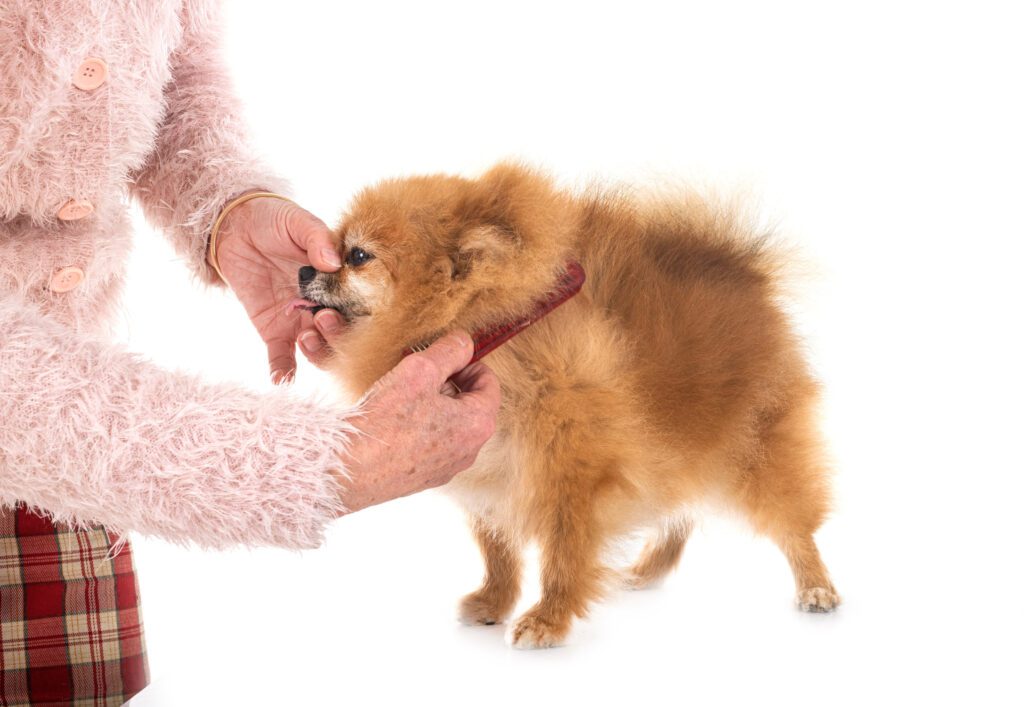
Pomeranians have a thick coat, and it’s not just one coat either. These dogs have double coats that you need to brush a few times weekly to remove loose hairs and debris. Pomeranians will also shed their coat rapidly during the spring and fall months, so have a vacuum ready and brush them more frequently during these periods to make it more manageable. You’ll also want to check their ears for signs of infection and brush their teeth a few times weekly.
While you can trim their nails, brush them, and care for them yourself, it’s still a good idea to consult with a professional. They can help with trimming their nails, coats, and determining when they need bathing.
Pomeranians have a few health issues you’ll want to be familiar with before you adopt them, with one of the most notable issues being a luxating patella. This is a condition that causes their kneecap to slip out, which results in pain and may cost you a pretty penny at the vet. Aside from this problem, alopecia X, also known as black skin disease, can also impact Pomeranians, and it will wreak havoc on their coats. Unfortunately, this results in hair loss starting on one side of the body.
Hypothyroidism, tracheal collapse, and eye problems also impact Pomeranians. Therefore, make sure you’re bringing them to the vet often and keeping an eye on their energy levels and vision.
Like many small dogs, Pomeranians tend to live long and healthy lives; expect them to live for around 12 to 16 years. That said, you need to bring them to the vet often, feed them a healthy diet for small dogs, and ensure they exercise.
Starting with children, Pomeranians can get along with kids of most ages. That said, early socialization is helpful for children and your Pomeranian. This is because their small frames increase their risk of injury during playtime, especially in toddlers who don’t know their strength. To avoid injuries and accidents, just keep an eye on them as they play.
When it comes to other animals, Pomeranians may shock you with their behavior. For example, they may try to assert their dominance over larger dogs. Whether or not this works, well, that depends on how much the larger dog cares. Still, it’s important to keep an eye on them during these interactions to prevent accidents and injuries.
Pomeranians can be good for first-time dog parents – just make sure you know what you’re getting yourself into. While they’re small enough for most spaces and families in California, you have to get their personality under control early. Otherwise, you may end up in a Pomeranian-led relationship, and that rarely works out. Thankfully, spending a few hours with them daily as you form a bond should be enough to handle them.
The adoption process for a Pomeranian in California can be complicated at times, but it’s not a challenging process. To begin, you’ll need to locate a Pomeranian that’s available for adoption from a local agency. These tend to be shelters and rescues, but you’ll have to check around because not every shelter or rescue will have a Pomeranian available; you can also check foster programs or even foster one yourself!
Once you’ve found a Pomeranian, you can begin the adoption process. In California, adoption laws vary based on the county, but most counties will require you to have a photo ID, and you must be at least 18 years of age. If you meet these requirements, you can fill out the paperwork and begin the process, which takes about three to five days. This is because the shelter will want to check your references, determine if your living space is suitable for a Pomeranian, and ensure that they’ll adapt well to any children or pets.
Once the process is complete, you can pay the adoption fee and bring your Pomeranian home. The fee varies based on the shelter, and you may have to take them for additional shots and vaccinations; this is more common with foster programs.
The cost to adopt a Pomeranian in California varies depending on the county. For example, Bakersfield has an adoption fee of $50. However, you’ll also have to pay licensing fees that can be as little as $25 to well over $100. Some shelters and rescues may also have additional fees to recoup the cost of rescue and housing. For these reasons, you can expect to spend between $100 and $300 to adopt a Pomeranian in California.
When it’s time to train your Pomeranian, there are a few things you need to consider right off the bat, with the first one being that they can be stubborn and disinterested at times. For this reason, we recommend establishing a routine. While it may not seem like it, dogs understand certain cues, so if you train them every night at eight for around 20 to 30 minutes, they’ll begin to get used to the process. This can prevent stubbornness, barking, and a lack of interest.
Once you have a routine in place, you have a solid foundation. However, there’s still some work to be done. If you don’t know where to begin, we recommend choosing one of our online training courses. These courses will give you some direction and a place to start with basic obedience, separation anxiety, and much more.
Once you have a plan, you can start the training process. We always recommend positive reinforcement regardless of the training plan you choose. Positive reinforcement is as simple as rewarding good behavior without being mean about your Pomeranian failing a task or acting out. This ensures they understand how to get rewards, and being mean will only turn them off to the idea of training.
Pomeranians are some of the best dogs you can adopt, especially in California. While they may have a little bit of trouble during California’s warmer months, they’re small and trainable enough to keep in an apartment in Los Angeles without any problems. You’ll also find that Pomeranians are great for first-time dog parents and integrate well into most families, even with children and other pets. Aside from their stubbornness sometimes, there aren’t many bad things we can say about this breed.
Still, make sure you have the necessary ID, references, and space to adopt a Pomeranian. Shelters and rescues are thorough with their evaluation process, so make sure you answer all of their questions honestly to avoid conflicts.

Introducing a new puppy to your current dog is often an exciting process, and many dogs will become fast friends and eas...
Read More
Rescue dogs can make great companions and can transform your home into something better. These dogs make great pets and ...
Read More
You should never rush to pet a dog. Even dog owners make the mistake of approaching unfamiliar dogs and petting them rig...
Read More
Puppy mill dogs are survivors who have endured extreme hardships in their lives. They have grown up in horrendous, unsan...
Read More
With their wagging tails and comforting presence, adopting a dog can add a unique touch to your life. It’s a heart...
Read More
Older dogs may have a few gray hairs around the edges, but that doesn’t mean they can’t make wonderful companions! T...
Read More