






























Introducing a new puppy to your current dog is often an exciting process, and many dogs will become fast friends and eas...
Read MoreAdopt Me
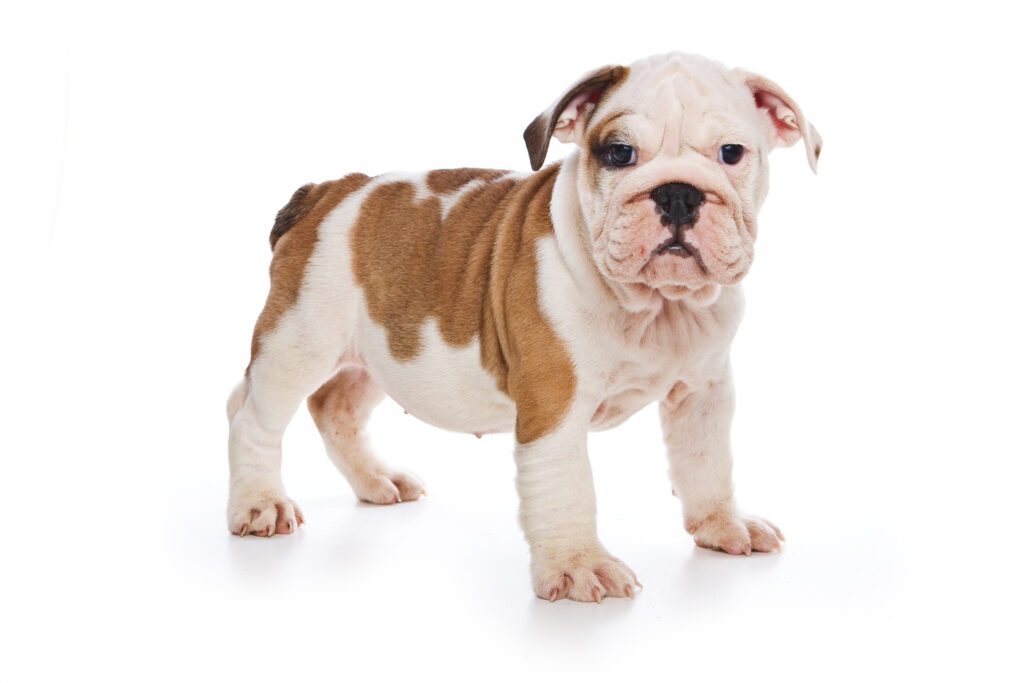
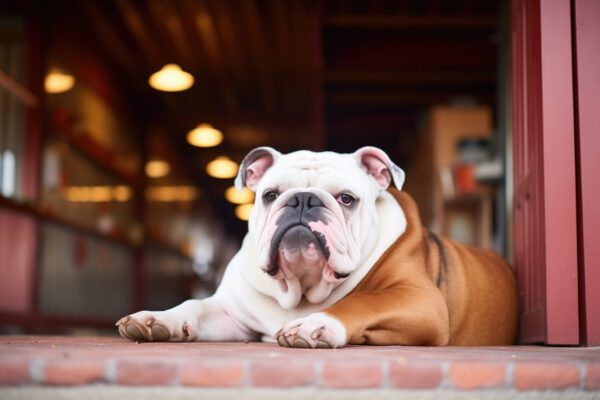
The English Bulldog is a calm, affectionate companion with a big heart and a steady, goofy charm. They bond closely with their people, enjoy short play sessions, and love couch time. Bulldogs are sturdy but not high-energy. They thrive on routine, gentle exercise, and lots of attention.
Research matters before you adopt. English Bulldogs are brachycephalic, which means they overheat easily and may have special health needs. Understanding their limits, grooming needs, and ideal home setup helps you choose the right dog and budget for care. Adoption is often preferable to buying because you get transparency about the dog’s history and temperament, and your fee supports rescue work.
West Virginia’s rolling hills, humid summers, and cold winters shape how you live with this breed. Bulldogs should avoid strenuous hikes and midday heat. Plan short walks in the morning or evening, use air conditioning in summer, and consider a sweater in winter. Many West Virginia homes have yards, which is great for sniffing and lounging, but Bulldogs are indoor dogs first. With a climate-aware routine, they make devoted companions from Charleston to Morgantown and in the quiet mountain towns between.
Start by browsing reputable adoption listings. You can explore available dogs on Dog Academy, where you can filter by breed and location. You can also check multi-shelter platforms like Petfinder and Adopt a Pet. Because purebred Bulldogs are less common in municipal shelters, expand your search to regional breed-specific groups that place dogs in West Virginia, such as the Bulldog Club of America Rescue Network at rescuebulldogs.org.
Before you apply, review the breed’s needs. English Bulldogs do best in climate-controlled homes, with limited stairs, secure fencing for quick potty breaks, and short activity windows. Many rescues look for adopters who understand heat risk, weight control, and the value of regular vet care. Being ready with an air-conditioned home, a slow-feeder bowl, and a plan for summer outings shows you are a thoughtful match.
The typical adoption process begins with browsing listings, then submitting an application. Expect questions about your schedule, home setup, and past pet experience. Most rescues verify veterinary references and landlord approval if you rent. A meet-and-greet follows, often with all household members and any resident dogs. Some groups request a virtual or in-person home check to confirm safety measures like secure doors, shade, and temperature control.
Approval timelines vary. Shelters may approve within a few days if everything checks out. Breed-specific rescues often take 1 to 3 weeks, especially if the dog needs additional vetting or if there are multiple strong applicants. Stay responsive, and let the team know what type of Bulldog suits you best, such as a mellow senior, a dog-friendly adult, or a tolerant companion for kids.
|
How Much Does It Cost to Adopt a English Bulldog in West Virginia?In West Virginia, most adopters find English Bulldogs through regional breed rescues that place dogs in the state. Typical fees range from $350 to $800. The range reflects age, training, and medical needs. Bulldogs often require extra care for skin folds, eyes, and airways, which can raise costs. If a Bulldog appears in a municipal shelter, the fee is usually lower, often $100 to $300, though purebred Bulldogs are less common in shelters. Adoption fees usually cover spay or neuter, core vaccinations, microchip, deworming, and a veterinary exam. Many breed rescues also include a heartworm test and treatment if needed, plus initial medications for skin or ear care. Ask for an itemized list so you know exactly what has been done and what follow-up you should plan with your West Virginia veterinarian. |
How Should I Train a English Bulldog?English Bulldogs are intelligent, people-focused, and often stubborn. They learn best with short, upbeat sessions and clear rewards. Harsh corrections shut them down. Positive, reward-based training builds trust and keeps them engaged. Use soft treats, gentle praise, and a cheerful tone. Keep sessions under 10 minutes and end on a win. Focus early on leash manners, polite greetings, and crate training. Bulldogs can be sensitive to heat, so practice indoors or during cool hours. Break tasks into small steps and prevent frustration. Manage weight by using part of their meal as training rewards. For expert guidance you can follow at home, try Dog Academy’s online training courses. Our trainers offer step-by-step plans for obedience, manners, and enrichment tailored to real-life homes. Dog Academy’s supportive lessons help Bulldogs learn at their pace while you build consistent habits. |
|
An English Bulldog is ideal for families or individuals who want a steady, affectionate companion and a relaxed daily rhythm. They fit well in apartments and houses as long as you manage heat, stairs, and exercise limits. Preparation is key. Set a budget for care, confirm your home is climate-ready, and plan short, frequent outings instead of long treks.
Take your time. Ask questions, meet a few dogs, and speak with rescue volunteers about each dog’s health and temperament. With patience, the right match will stand out. When you are ready, begin your search on trusted platforms, connect with breed rescues, and use Dog Academy’s resources to support a smooth transition. Your future Bulldog will thank you for the thoughtful start.
Introducing a new puppy to your current dog is often an exciting process, and many dogs will become fast friends and eas...
Read More
Rescue dogs can make great companions and can transform your home into something better. These dogs make great pets and ...
Read More
You should never rush to pet a dog. Even dog owners make the mistake of approaching unfamiliar dogs and petting them rig...
Read More
Puppy mill dogs are survivors who have endured extreme hardships in their lives. They have grown up in horrendous, unsan...
Read More
With their wagging tails and comforting presence, adopting a dog can add a unique touch to your life. It’s a heart...
Read More
Older dogs may have a few gray hairs around the edges, but that doesn’t mean they can’t make wonderful companions! T...
Read More