


































Introducing a new puppy to your current dog is often an exciting process, and many dogs will become fast friends and eas...
Read MoreAdopt Me
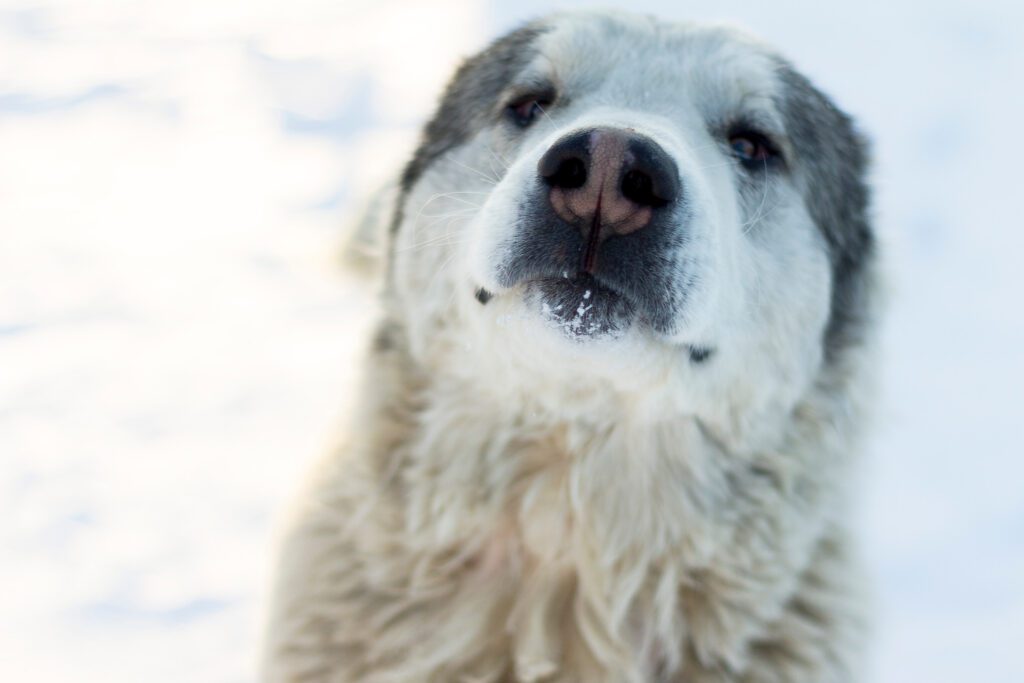
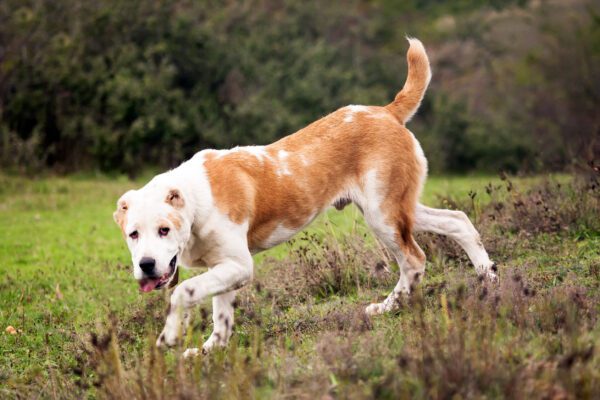
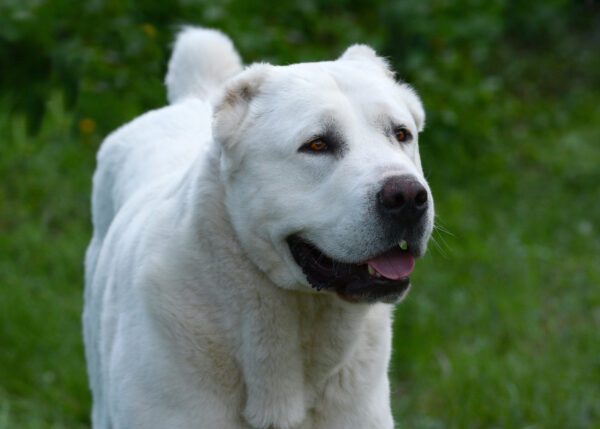
The Alabai, also called the Central Asian Shepherd, is a confident guardian and a steady family protector. These dogs are loyal, observant, and calm once mature. They are large, thoughtful, and brave. With the right leadership, they become reliable companions who watch over home and land.
Research matters before you adopt. Alabais were bred to make independent decisions while guarding livestock. That instinct is still strong. Understanding their size, drive, and boundaries will help you meet their needs. Adoption is often the better path because rescues can match you with a dog whose temperament suits your home. You also gain support, medical vetting, and a network that sets you up for success.
West Virginia can suit this breed well. The state’s mountains and rural spaces give room to move and a job-like environment. The cold winters match the Alabai’s dense coat. Hot, humid summers call for shade and cool water. Many properties have livestock and wildlife nearby, so secure fencing and solid management are essential. Review local rules and keep dogs under control. You can read more in the West Virginia dog control laws.
Start by checking county shelters and humane societies. Alabais are rare, but large guardian mixes do appear. Try the Kanawha-Charleston Humane Association, the Greenbrier Humane Society, and the Humane Society of Raleigh County. Also search regional and national groups that place giant guardians. Big Dogs Huge Paws often helps giant breeds, and Rescue Me Central Asian Ovcharka lists Alabais across the country. You can also browse adoptable dogs on Dog Academy to spot new arrivals that fit your home.
Learn the breed’s needs before you apply. Alabais thrive with calm, confident handlers and clear structure. Plan for secure fencing, controlled introductions, and consistent training. Consider children, visiting friends, delivery drivers, and neighbors. Many Alabais are selective with unfamiliar dogs. A slow approach to socialization protects everyone.
The adoption process is straightforward. You browse listings, then submit an application with details about housing, yard, pets, and schedule. Most rescues request personal references and landlord approval if you rent. Next comes a meet-and-greet, which may be off site or at the shelter. Expect a home check that looks at fence height, gate latches, and safe containment. Approval timelines vary, but many placements move from application to adoption within 1 to 3 weeks. Some rescues offer trial periods to confirm the match.
Set yourself up for a smooth transition. Prepare a crate, high gates, and a quiet room for decompression. Arrange a vet visit within the first week. Plan neutral territory introductions to resident dogs. Ask the rescue for a feeding plan, any medication needs, and a first month routine. With this groundwork, your new guardian can settle in with less stress. Dog Academy’s resources and adoption listings help you plan each step with confidence.
|
How Much Does It Cost to Adopt a Alabai in West Virginia?Expect most Alabais placed through giant-breed or guardian rescues that serve West Virginia to fall in the $250 to $450 range. If a purebred or mix appears in a municipal shelter, fees often run $75 to $150. Puppies or dogs with advanced training may cost more due to demand and extra care. Fees usually include spay or neuter, core vaccines, a general exam, deworming, and a microchip. Some rescues also include heartworm testing and initial preventives. Costs shift with age, medical history, and transport. Dogs that needed orthopedic care or dental work may carry higher fees. Long-distance transport can add $50 to $200. A well-mannered adult with recent training may be priced higher because it is adoption-ready and in demand. |
How Should I Train a Alabai?Alabais are intelligent and highly independent. They assess situations on their own, which can feel stubborn if training is unclear. Use positive, reward-based methods that build trust. Keep sessions short and purposeful. Focus on calm leash skills, solid recall on a long line, place training, and impulse control. Early socialization to vetted people and livestock is important, yet it should be structured and slow. Fair, consistent rules work best. Avoid harsh corrections that create conflict with a guardian breed. Reinforce quiet behavior, boundary respect, and polite greetings. If you want expert guidance, explore Dog Academy’s online training courses. Our step-by-step lessons cover guardian-breed essentials, from foundation obedience to reactivity management. You gain trainer support that fits your schedule, which makes training a daily habit rather than a chore. Dog Academy is here to help you and your Alabai succeed. |
|
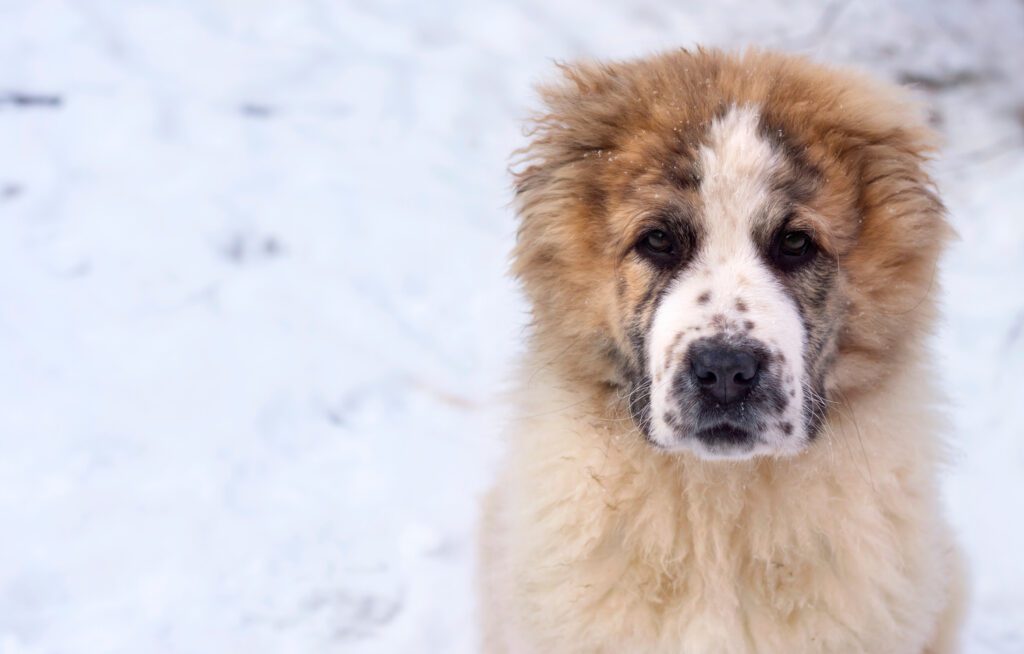
An Alabai suits experienced owners who value calm leadership, secure property, and routine. The breed thrives in rural and suburban West Virginia homes that can offer space, structure, and thoughtful introductions to visitors. Apartments and busy dog parks are not ideal for many Alabais.
Good matches come from preparation and patience. Research the breed, speak with rescues, and ask detailed questions. Take your time choosing the right dog. With clear expectations and steady training, you can welcome a confident, loyal guardian who fits your life in West Virginia.

Introducing a new puppy to your current dog is often an exciting process, and many dogs will become fast friends and eas...
Read More
Rescue dogs can make great companions and can transform your home into something better. These dogs make great pets and ...
Read More
You should never rush to pet a dog. Even dog owners make the mistake of approaching unfamiliar dogs and petting them rig...
Read More
Puppy mill dogs are survivors who have endured extreme hardships in their lives. They have grown up in horrendous, unsan...
Read More
With their wagging tails and comforting presence, adopting a dog can add a unique touch to your life. It’s a heart...
Read More
Older dogs may have a few gray hairs around the edges, but that doesn’t mean they can’t make wonderful companions! T...
Read More