































Introducing a new puppy to your current dog is often an exciting process, and many dogs will become fast friends and eas...
Read MoreAdopt Me


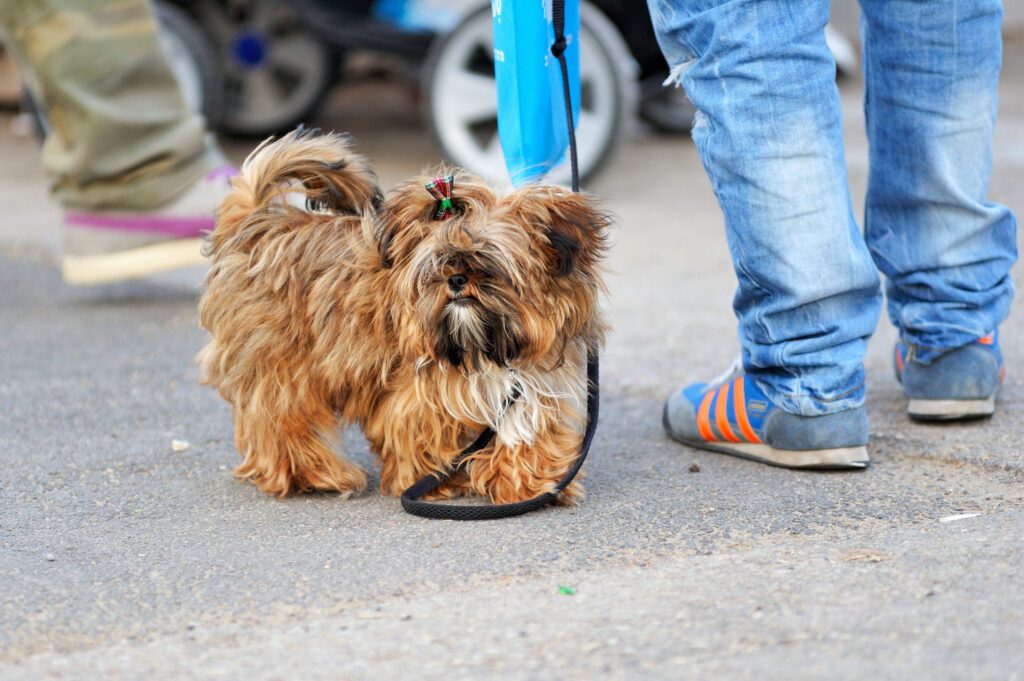
The Shorkie is a small, spirited mix of Shih Tzu and Yorkshire Terrier. These dogs are devoted shadows that love laps, short adventures, and steady routines. They are bright, affectionate, alert, and often a little sassy. A Shorkie’s coat is usually low-shedding and silky, which many families with allergens find appealing. That coat needs regular care, and this breed thrives on attention and gentle structure.
Research matters before you adopt. Shorkies can be sensitive and vocal. They may guard their favorite person and can be stubborn during house training. Understanding grooming needs, exercise requirements, and health concerns helps you choose a dog that matches your lifestyle. Adoption is often preferable to buying because you gain a known health and behavior history, support from a rescue, and a dog that has often received basic vet care.
North Carolina can be a great place to live with a Shorkie. The state offers neighborhood walks, dog-friendly patios, and mild winters across much of the Piedmont and coast. Summers are hot and humid, which is tough for flat-faced mixes and small dogs. Plan shaded strolls, carry water, and keep exercise brief on humid days. In the mountains, cooler mornings are perfect for easy hikes, while coastal sand and salt require regular paw and coat care.
Start by browsing adoption listings on Dog Academy. You can spot Shorkies and similar small mixes at municipal shelters and rescue groups across the state. Check organizations like Saving Grace Animals for Adoption in the Triangle, Charlotte-Mecklenburg Animal Care & Control in the Charlotte area, and Wake County Animal Center. Small-breed and Yorkie-focused rescues also see Shorkies come through from time to time. Look for groups licensed through the NC Animal Welfare Section for added peace of mind.
Before applying, learn the breed’s needs. A Shorkie needs daily companionship, gentle handling, and consistent bathroom breaks. Regular brushing and professional grooming keep the coat comfortable. If your schedule is long or your home is very active, discuss this openly with the rescue so they can guide you to the right match.
The typical adoption process is straightforward. You browse listings, submit an application, and share details about housing, family members, work hours, and current pets. Many groups review applications within a few days. Next comes a meet-and-greet to confirm the fit. Some rescues arrange a virtual or in-person home check to ensure safety and readiness. Final approval can happen quickly for prepared adopters, though it may take 1 to 2 weeks if the dog needs extra vetting or there are multiple applicants.
Be patient and flexible about age, color, or haircut. A slightly older Shorkie can be calmer and easier to house train. If you want a puppy, expect more applications and a longer wait. Keep checking Dog Academy and local shelter pages, set alerts where possible, and build a friendly relationship with rescue coordinators.

|
How Much Does It Cost to Adopt a Shorkie in North Carolina?Most North Carolina shelters and rescues list Shorkie adoption fees around $200 to $450 for adults. Puppies and high-demand small mixes often fall between $350 and $600. Fees vary with age, size, training level, and medical history. A dog with recent dental work, grooming, or specialized care may be at the top of the range. Rural shelters can be a bit lower, while urban rescues with higher vet costs may be higher. Your fee usually includes core vaccines, spay or neuter, a veterinary exam, deworming, a microchip, and a heartworm test. Many groups also cover a flea and tick preventive at intake. Ask for an itemized summary so you understand what has been done and what you should plan next, such as a booster visit, grooming, or a starter harness sized for a toy breed. |
How Should I Train a Shorkie?Shorkies are clever and people-focused, which makes training rewarding. They can also be independent and a bit stubborn, so short, upbeat sessions work best. Use positive, reward-based methods with tiny treats and praise. Harsh corrections shut this breed down and can increase anxiety. Focus on name response, recall indoors, sit, stay, and gentle leash skills. House training improves with a strict schedule, frequent outings, and a properly sized crate. Barking and guarding can crop up in small companion dogs. Teach a quiet cue, reinforce calm behavior, and meet daily enrichment needs with puzzle toys and sniffy walks. Early socialization builds confidence. Introduce friendly people and vaccinated dogs in low-stress settings, and protect your Shorkie from rough play due to their small size. For step-by-step guidance, explore Dog Academy’s online training courses. Our expert trainers break down house training, barking control, separation comfort, polite greetings, and grooming handling in simple, proven lessons. Dog Academy supports you with practical plans you can start today, even if you are new to training. |
|
A Shorkie suits adopters who want a small companion, daily together time, and light exercise. They fit well in apartments and suburban homes, as long as you provide routine, mental stimulation, and regular grooming. Families with gentle children and retirees alike often find this breed’s affection and humor to be a perfect match.
Set clear expectations, prepare your home, and ask rescues many questions. Meet more than one dog if needed. With a little patience and the right support, you will find a Shorkie in North Carolina who thrives with your lifestyle and becomes the heart of your home.

Introducing a new puppy to your current dog is often an exciting process, and many dogs will become fast friends and eas...
Read More
Rescue dogs can make great companions and can transform your home into something better. These dogs make great pets and ...
Read More
You should never rush to pet a dog. Even dog owners make the mistake of approaching unfamiliar dogs and petting them rig...
Read More
Puppy mill dogs are survivors who have endured extreme hardships in their lives. They have grown up in horrendous, unsan...
Read More
With their wagging tails and comforting presence, adopting a dog can add a unique touch to your life. It’s a heart...
Read More
Older dogs may have a few gray hairs around the edges, but that doesn’t mean they can’t make wonderful companions! T...
Read More