































Introducing a new puppy to your current dog is often an exciting process, and many dogs will become fast friends and eas...
Read MoreAdopt Me


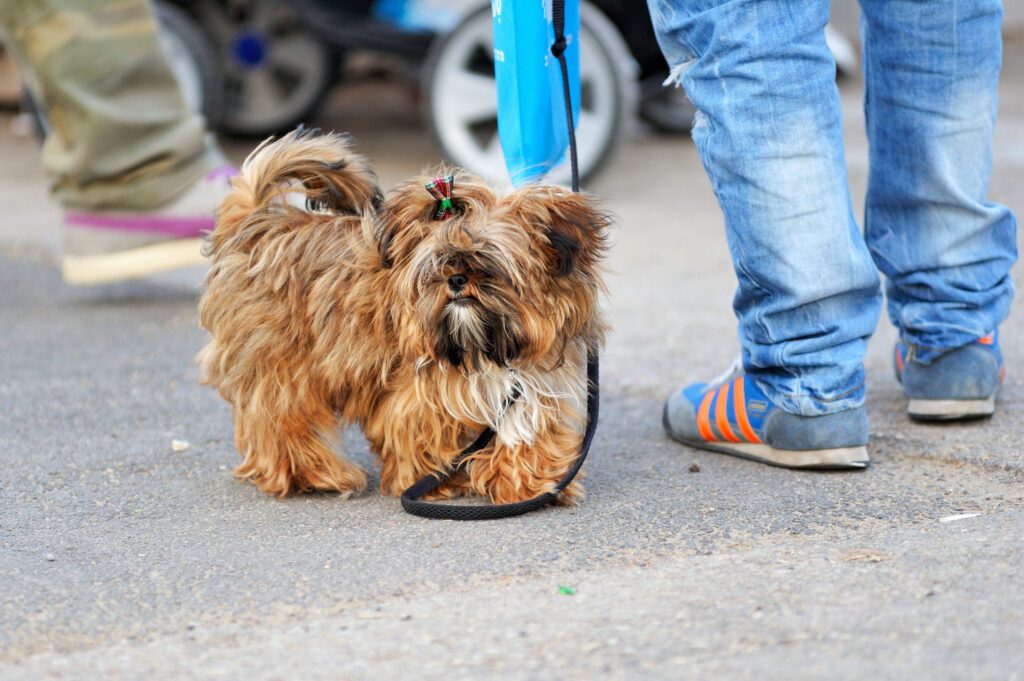
The Shorkie blends the sweetness of the Shih Tzu with the spunk of the Yorkshire Terrier. This compact companion is affectionate, alert, and playful. Many Shorkies love lap time as much as short bursts of fetch. Their coat often sheds less than average, which can make grooming easier to manage for many homes. They bond closely with people and thrive on daily interaction.
Research matters before you adopt. Shorkies are small, but they need structure, enrichment, and steady training. Coat care is a real commitment, and energy levels vary by dog. Since Shorkies are a cross, size, coat texture, and temperament can differ. A thoughtful match prevents surprises and sets you and your new dog up for success.
Adoption is often the better path in Louisiana. You give a dog a second chance and support local shelters and rescues doing vital work. Most adoptable Shorkies have already received core vet care and are ready to settle into a home. Louisiana’s warm, humid climate suits an indoor companion dog, though heat management is essential. Plan early walks and shaded outings. Keep air conditioning available during peak summer. Mosquitoes are active in the state, so year-round heartworm prevention is critical. If you live in a coastal or storm-prone parish, include your Shorkie in your evacuation plan with a travel crate and updated microchip details.
You can find adoptable Shorkies through municipal shelters, all-breed rescues, and small-dog networks. Start by browsing current listings on Dog Academy. You can also check trusted local groups such as the Louisiana SPCA. Shorkies may be listed as Shih Tzu mixes or Yorkie mixes, so search those terms as well. Many small-breed rescues serving the Gulf region accept applications statewide and arrange transport for approved adopters.
Learn the breed’s needs before you apply. Most Shorkies do best with daily brushing and professional grooming every 4-6 weeks. They prefer moderate exercise and lots of companionship. House training can take patience with a small dog. If you want a hiking partner for long, hot treks, a Shorkie may not be the best fit. If you want a close companion who enjoys short walks and indoor play, the breed can shine in Louisiana.
The process usually starts online. Browse available dogs and submit an application. Expect questions about your schedule, fencing or leash plan, and experience with small breeds. Landlord approval is required if you rent. Many groups ask for a vet reference and may request photos of your home setup. Provide clear, timely information to speed things along.
Next comes a meet-and-greet. Shelters may arrange this on site, while rescues schedule a meeting at a foster home or neutral location. If you have pets or children, introductions are often part of the visit. Some rescues complete a home check, which may be virtual or in person. Approval timelines vary. A busy shelter might place a dog within 2-5 days. Foster-based rescues often take 5-10 days, especially if the dog needs additional vet care or training before going home.

|
How Much Does It Cost to Adopt a Shorkie in Louisiana?Most adopters in Louisiana pay about $150-$350 to adopt an adult Shorkie through a municipal shelter or local rescue. Puppies and high-demand small mixes placed by specialty rescues often range $300-$500. Fees vary with age, medical care already provided, training investments, and demand for small companion dogs in the region. Transport from out-of-area fosters can add to the total. Adoption fees usually include spay or neuter, core vaccinations, a rabies shot when age appropriate, a microchip, deworming, and a general vet exam. Many Louisiana organizations also provide a heartworm test and treatment if needed, which can raise the fee for dogs coming from high mosquito areas. Ask for an itemized list so you know exactly what your fee covers. |
How Should I Train a Shorkie?Shorkies are bright and eager, yet they can be independent. Many respond best to short, upbeat sessions with high-value rewards. Use positive reinforcement and keep training fun. Shape polite behaviors like sit, down, and come before tackling distractions. Aim for 5-10 minute sessions a few times each day. House training improves with a consistent schedule, crate training, and frequent outdoor breaks. Small bladders need more trips outside, especially in the morning and after meals. If your Shorkie tends to bark, teach a quiet cue and reward calm behavior. Gentle socialization builds confidence. Practice handling for grooming so coat care is easy at the salon and at home. For step-by-step support, explore Dog Academy’s online training courses. Expert instructors guide you through house training, manners, and enrichment tailored to small dogs. Courses include clear video lessons and real-world exercises that fit Louisiana life, including indoor games for hot days. Dog Academy is a supportive partner from your first week home through advanced skills. |
|
A Shorkie is a great match for adopters seeking a loving companion, light to moderate exercise, and regular grooming. They fit well in apartments and houses as long as they get daily play and attention. Families with gentle children, first-time owners who commit to training, and retirees who are home most days often do well with this breed.
Preparation leads to a happy match. Research the breed, speak with shelters and rescues, and take your time choosing the right personality. Set a budget for grooming and preventive vet care. Review your plan for Louisiana’s heat and hurricane season. When you are ready, start with Dog Academy and trusted local groups. With patience and a thoughtful process, you will find a Shorkie that thrives by your side.

Introducing a new puppy to your current dog is often an exciting process, and many dogs will become fast friends and eas...
Read More
Rescue dogs can make great companions and can transform your home into something better. These dogs make great pets and ...
Read More
You should never rush to pet a dog. Even dog owners make the mistake of approaching unfamiliar dogs and petting them rig...
Read More
Puppy mill dogs are survivors who have endured extreme hardships in their lives. They have grown up in horrendous, unsan...
Read More
With their wagging tails and comforting presence, adopting a dog can add a unique touch to your life. It’s a heart...
Read More
Older dogs may have a few gray hairs around the edges, but that doesn’t mean they can’t make wonderful companions! T...
Read More