




































Introducing a new puppy to your current dog is often an exciting process, and many dogs will become fast friends and eas...
Read MoreAdopt Me
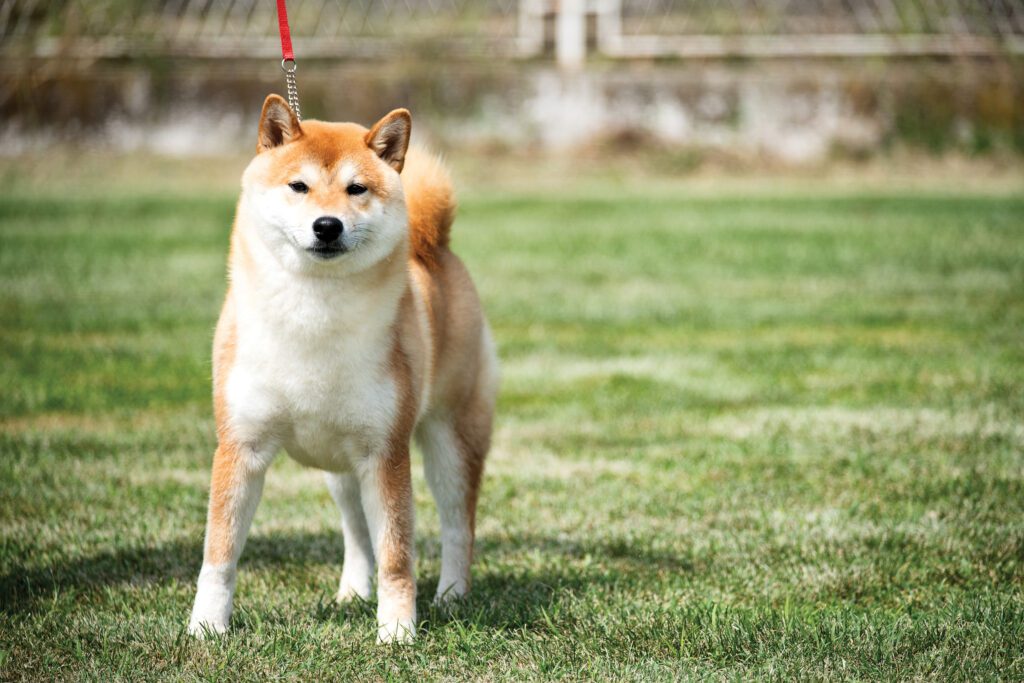
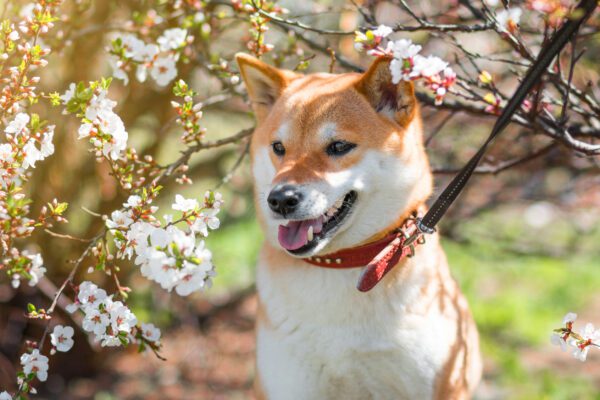
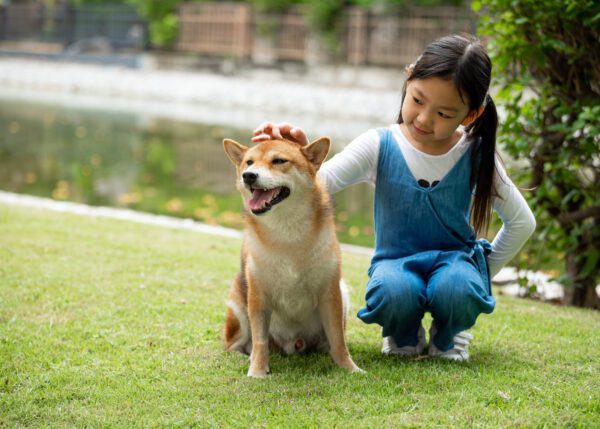
The Shiba Inu is bold, clever, and full of charm. This compact spitz breed is clean, catlike, and often independent. Many Shibas bond deeply with their people and stay aloof with strangers. They are athletic, alert, and have a strong prey drive. That mix makes them delightful for the right home and challenging for the wrong one.
Researching the breed before you adopt matters. Shibas can be stubborn and vocal, and some dislike restraint or rough handling. They thrive with structure, consistency, and respectful training. Adoption is often the best path because you can learn about an individual dog’s history and temperament from the shelter or foster. You also support humane work and often pay less than buying from a breeder.
Maine suits many Shibas. The double coat handles cold and snow well, which fits winter hikes and coastal walks. Trails, forests, and quiet neighborhoods offer great enrichment. The breed’s escape artist streak means secure fencing is essential, especially in rural areas with wildlife. Icy sidewalks and road salt call for paw care. Summer ticks and heat ask for prevention and shade. With planning, Maine gives a Shiba space to explore and a cozy place to rest.
Start by searching reputable sources. Browse adoption listings on Dog Academy to see Shibas and Shiba mixes available near you. Check local shelters like the Animal Refuge League of Greater Portland and the Bangor Humane Society. Expand your search to regional breed rescues through the National Shiba network at the National Shiba Club of America Rescue. Large directories like Petfinder and Adopt a Pet can help you spot Shibas in foster homes across New England.
Before you apply, be honest about the breed’s needs. Shibas do best with daily mental work, leashed exercise, and secure yards. Many are not trustworthy off leash because of prey drive. They can coexist with other pets when carefully matched, but not all will. Review your housing rules, talk with all household members, and set expectations for gates, doors, and outdoor safety.
The typical process begins with browsing listings and submitting an application. Most groups ask for landlord approval if you rent, veterinary references, and details on your schedule and fencing. After screening, you move to a meet and greet. Bring all decision makers and any resident dogs so the rescue can observe interactions. Some rescues also schedule a home check to confirm a safe setup and to discuss management for doors, crates, and yard gates.
Approval timelines vary. A local shelter may move from application to adoption in 1 to 2 weeks. Breed rescues often take longer due to matching and transport, which can stretch to 2 to 6 weeks. Stay responsive to calls and emails. Ask questions about history, triggers, medical records, and training needs. Patient, open communication helps you and the rescue choose a good fit.
|
How Much Does It Cost to Adopt a Shiba Inu in Maine?Expect most Maine shelters to list adult Shiba Inus in the $300 to $550 range. Puppies and young adolescents often run higher due to demand and care, typically $450 to $700. Breed-specific rescues that provide foster care, transport, and behavior support may charge within a similar range, often $350 to $650 for adults. Fees shift with age, medical needs, training investment, and how far the dog traveled to reach Maine. Adoption fees usually cover core vaccines, spay or neuter, a general exam, deworming, a microchip, and a heartworm test. Some include dental work or starter preventives when needed. Ask for an itemized list and copies of records. If a dog required extra treatment or transport, the fee may be on the higher end. |
How Should I Train a Shiba Inu?Shibas are smart and observant. They learn fast when training is clear and rewarding. They also value independence. Many will shut down with harsh corrections, which can create conflict and distrust. Positive, reward-based methods work best. Use high-value treats, short sessions, and consistent routines. Focus on name recognition, hand targets, settle on a mat, loose-leash walking, and reliable handling for grooming and vet care. Plan for impulse control and recall management. Practice recall on a long line in secure areas. Reinforce calm behavior around squirrels, cats, and birds. Crate training and enrichment, like puzzle feeders and scent games, help meet mental needs and reduce frustration. For step-by-step help, explore Dog Academy’s online training courses. Our expert instructors guide you through socialization, leash skills, and behavior troubleshooting tailored to independent breeds like the Shiba Inu. Dog Academy gives you ongoing support so training stays consistent and fun. |
|
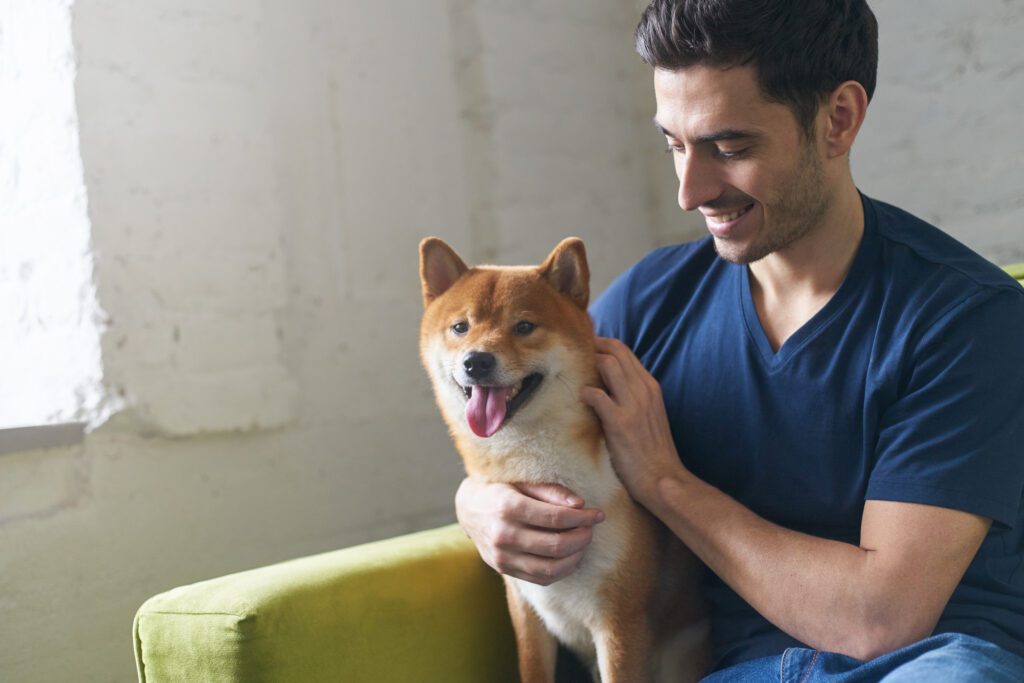
A Shiba Inu suits active adopters who value a tidy, spirited, and self-assured companion. The best homes provide structure, patient training, and secure management indoors and out. Families with older children often do well, as long as everyone follows door and gate rules.
Take time to prepare. Research the breed, talk with shelters and rescues, and ask for honest assessments. Visit more than one dog if needed. When you are ready, the right Shiba will reward your patience with loyalty and personality in a package that fits Maine’s outdoor lifestyle.

Introducing a new puppy to your current dog is often an exciting process, and many dogs will become fast friends and eas...
Read More
Rescue dogs can make great companions and can transform your home into something better. These dogs make great pets and ...
Read More
You should never rush to pet a dog. Even dog owners make the mistake of approaching unfamiliar dogs and petting them rig...
Read More
Puppy mill dogs are survivors who have endured extreme hardships in their lives. They have grown up in horrendous, unsan...
Read More
With their wagging tails and comforting presence, adopting a dog can add a unique touch to your life. It’s a heart...
Read More
Older dogs may have a few gray hairs around the edges, but that doesn’t mean they can’t make wonderful companions! T...
Read More