



































Introducing a new puppy to your current dog is often an exciting process, and many dogs will become fast friends and eas...
Read MoreAdopt Me
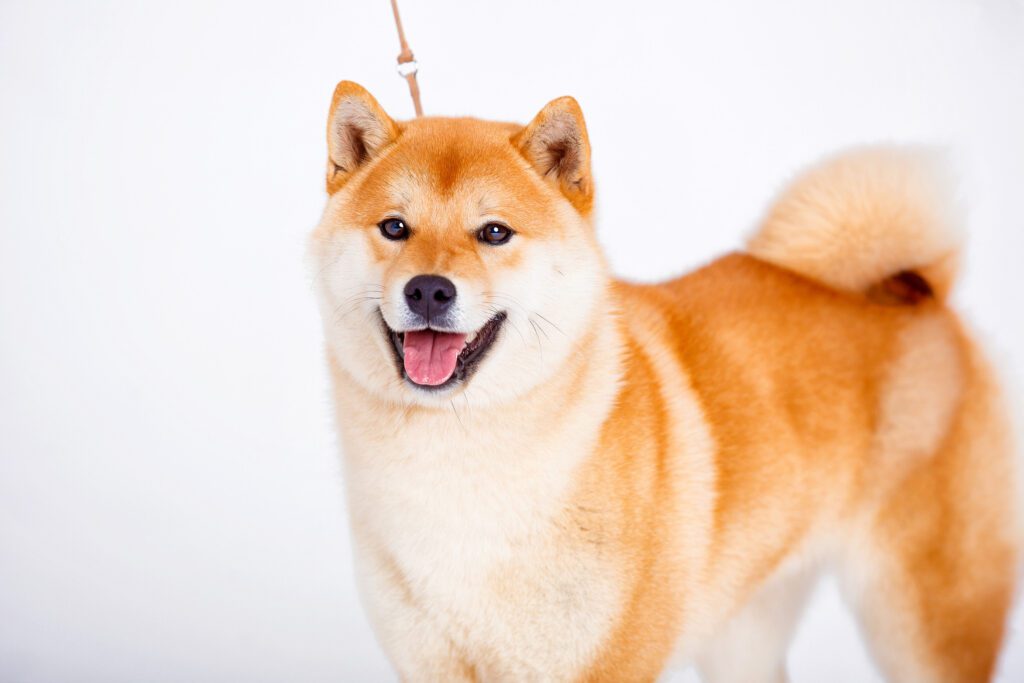
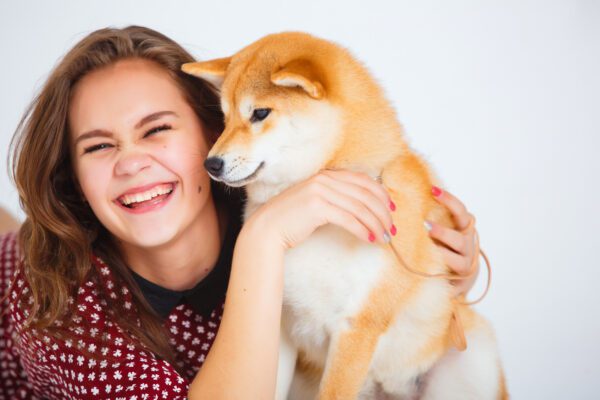
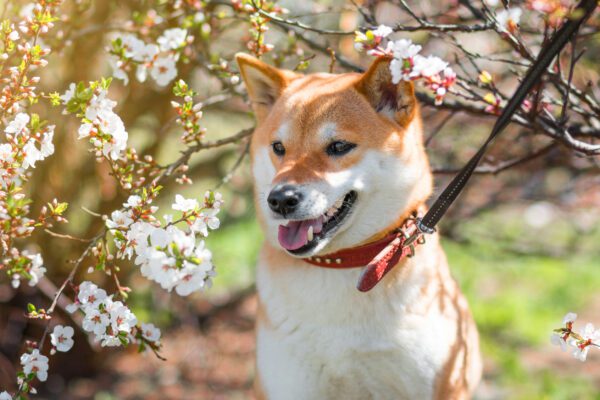
The Shiba Inu is a compact, fox-like dog with a big personality. Shibas are clean, alert, and confident. Many are affectionate with family and reserved with strangers. They are athletic and agile, yet happy to relax after a good walk. Their double coat sheds heavily twice a year, and a weekly brush helps keep fur under control.
Research matters before you adopt. Shibas are smart and independent. Off-leash reliability is rare. A secure yard and consistent training are essential. Adoption is often the best path for this breed. You give a dog a second chance, and you gain support from a shelter or rescue that has already vetted the dog’s health and behavior. Costs are usually far lower than purchasing from a breeder.
Kansas can suit a Shiba well. Cold winters are easier with a thick coat. Hot, humid summers mean careful exercise and plenty of shade and water. The state’s open spaces can tempt a Shiba’s prey drive, so fencing and leashes are key. Urban areas like Wichita and the Kansas City metro offer training resources and vets, while rural life can give room to roam with proper containment.
Start by checking local shelters and all-breed rescues, then add breed-specific groups. In Wichita, the Kansas Humane Society often has Spitz-type dogs and can guide you to regional partners. In the Kansas City area, KC Pet Project maintains an active list of adoptable dogs and supports foster placements. In Topeka, Helping Hands Humane Society is another trusted resource. For breed-focused support, the National Shiba Inu Rescue network can connect you with Midwest fosters and transport options.
Browse adoption listings on Dog Academy to see Shibas and Shiba mixes available near you. Each profile usually includes age, size, behavior notes, and any special needs. Read closely. A Shiba that bolts doors or chases cats needs a management plan. Make sure the breed’s needs match your lifestyle before you apply.
The process is straightforward. First, browse and select a dog, then submit an application. Expect questions about your home, work schedule, fencing, and experience with independent breeds. Landlord approval and vet references are common. Many groups schedule a meet-and-greet with all household members and current pets. Some conduct virtual or in-person home checks to confirm safety and containment. Approval timelines vary. Shelters may approve within 2-10 days. Breed rescues often take 1-3 weeks due to foster coordination.
Prepare early to speed things up. Gather proof of residency, landlord permission, and photos of your yard and gates. Line up a veterinarian and pet insurance. Ask the rescue for behavior history, daily routine, and triggers. Clear expectations set you and your Shiba up for success from day one.
|
How Much Does It Cost to Adopt a Shiba Inu in Kansas?Most adopters in Kansas can expect to pay $250-$550. Municipal shelters often fall on the lower half of that range for adult dogs. Breed-specific rescues tend to be higher due to specialized care and transport. Puppies and dogs with recent training or extra medical work land at the top of the range. Fees usually include spay or neuter, core vaccines, a microchip, a general vet exam, deworming, and a heartworm test. Some groups also provide dental cleanings, behavioral support, or starter supplies. Age, medical needs, training, and demand all influence final cost. Ask for an itemized list so you know exactly what is covered. |
How Should I Train a Shiba Inu?Shibas are intelligent and quick to learn, yet they value independence. Many excel with clear structure and short, focused sessions. Harsh methods backfire with this breed. Positive, reward-based training builds trust and keeps a Shiba engaged. Use high-value treats, toys, and praise. Keep sessions fun and end on a win. Plan early socialization, leash manners, and impulse control. A Shiba’s prey drive makes recall unreliable, so practice a conditioned recall for emergencies and use long lines in open areas. Teach solid door manners to prevent dashing. Crate training helps with safety and travel. Many Shibas are naturally clean, which makes house training faster when you keep a steady routine. For step-by-step help, explore Dog Academy’s online training courses. Our expert instructors cover puppy foundations, basic obedience, loose-leash walking, and real-life recall management tailored to independent breeds. Dog Academy gives you practical lessons, coaching, and ongoing support so you can guide your Shiba with confidence. |

|
A Shiba Inu suits adopters who value a clever, self-possessed companion and enjoy daily activity. The ideal home provides calm leadership, consistent training, and secure containment. Expect brisk walks or play for 45-60 minutes each day, mental games, and regular grooming during seasonal sheds.
Success starts with preparation and honest expectations. Talk with shelters and rescues, ask detailed questions, and take your time choosing the right match. With patience and guidance, you can adopt a Shiba Inu in Kansas and enjoy a loyal, spirited partner for years to come.

Introducing a new puppy to your current dog is often an exciting process, and many dogs will become fast friends and eas...
Read More
Rescue dogs can make great companions and can transform your home into something better. These dogs make great pets and ...
Read More
You should never rush to pet a dog. Even dog owners make the mistake of approaching unfamiliar dogs and petting them rig...
Read More
Puppy mill dogs are survivors who have endured extreme hardships in their lives. They have grown up in horrendous, unsan...
Read More
With their wagging tails and comforting presence, adopting a dog can add a unique touch to your life. It’s a heart...
Read More
Older dogs may have a few gray hairs around the edges, but that doesn’t mean they can’t make wonderful companions! T...
Read More