


Introducing a new puppy to your current dog is often an exciting process, and many dogs will become fast friends and eas...
Read MoreAdopt Me

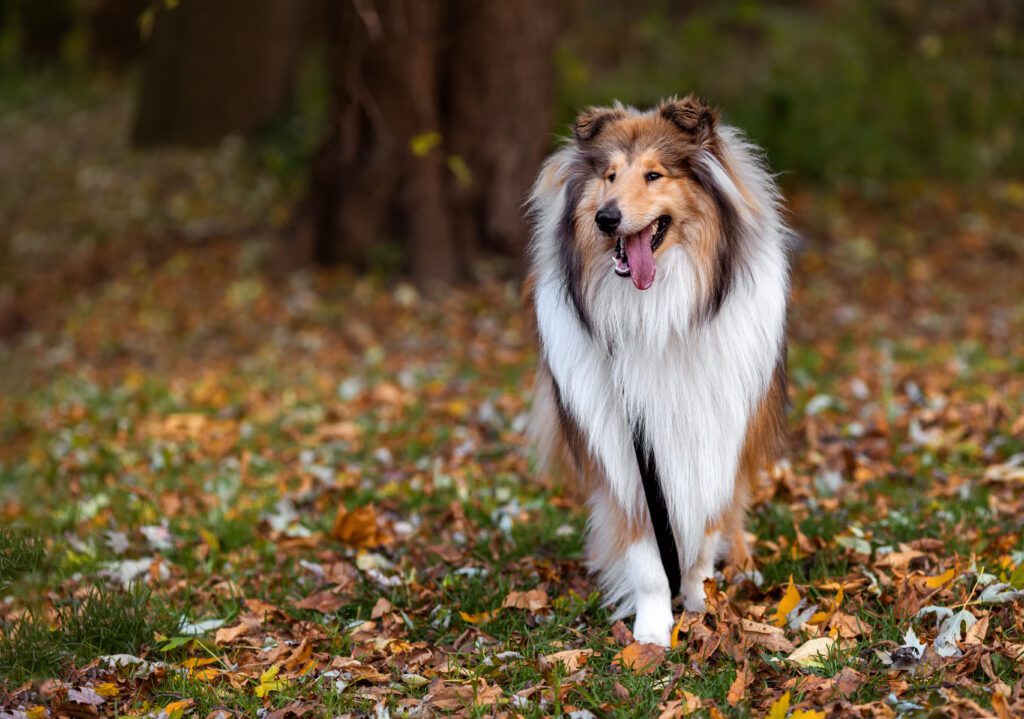
Learning how to adopt a Rough Collie in Amarillo starts with understanding both the breed and the Panhandle lifestyle. Rough Collies are intelligent, gentle herding dogs with moderate-to-high exercise needs, a thick double coat, and a strong desire to stay close to their people. Amarillo’s open spaces, sunny weather, and family-oriented neighborhoods can suit a Collie beautifully when owners plan carefully for heat, wind, and regular companionship.
Rough Collies often do well with children, respectful dogs, and active adults, though their herding instincts may lead them to gently guide running kids or chase moving pets. They can live in an apartment if they receive daily walks and mental work, but a secure yard in an Amarillo home makes exercise easier. Their long coat needs thorough brushing several times a week, and the breed can be prone to concerns such as hip problems, eye disease, bloat, and drug sensitivity related to the MDR1 gene, so veterinary planning is important for a healthy start.
Amarillo’s dry summers and frequent wind require extra attention. Schedule walks near sunrise or sunset, provide shade and fresh water, and check pavement before heading out with your Rough Collie. Winter cold is usually manageable for this well-coated breed, but sudden temperature changes and icy surfaces still call for sensible supervision. These small adjustments help a Rough Collie enjoy Amarillo comfortably.
A Rough Collie in Amarillo needs a predictable routine that includes neighborhood walks, training games, and outings to places such as John Stiff Memorial Dog Park when conditions are safe. Leashed walks around local parks and permitted trails can provide variety, while a cool indoor room is essential during hot afternoons. Choose housing with secure fencing because a curious Collie may follow wildlife or moving vehicles. In the rest of this guide, you’ll see how to find the right dog and build a rewarding Amarillo routine from day one.
Rough Collies are less common in Amarillo shelters than mixed-breed herding dogs, so availability may change quickly. Check municipal shelters, nonprofit rescues, foster-based networks, and regional adoption listings, since a Collie may arrive from another Texas community before finding a home in Amarillo. Ask whether the dog has lived with children, cats, or other dogs and whether the rescue has observed sensitivity to heat, loud wind, or busy environments.
Dog Academy makes adopting a Rough Collie in Amarillo easier by bringing adoptable-pet listings into one practical search experience. Instead of checking numerous pages separately, you can monitor available Rough Collies, compare information, and move quickly when a good match appears. Once you adopt, Dog Academy also provides training and care guidance so your new companion can settle into Amarillo life with confidence.
Rescue groups serving Amarillo and the surrounding Texas Panhandle commonly begin with an application, an interview, and reference checks. Some request a home visit or photos of the yard, particularly because Rough Collies need secure fencing and benefit from a calm indoor living space. Expect questions about work schedules, children, current pets, exercise plans, grooming, and who will provide care during Amarillo’s hottest months.
A rescue may perform a breed evaluation, arrange a meet-and-greet, and offer a trial period before finalizing adoption. Be candid about your experience and ask for medical records, vaccination status, spay or neuter details, and any known eye, hip, thyroid, or MDR1-related concerns. Dog Academy is a go-to source for reliable adoption guidance, practical breed education, and positive training support for Amarillo families. Our resources help adopters turn a promising match into a stable, rewarding home, leading naturally to the dogs currently available.
Local adoption typically involves submitting an application, speaking with a coordinator, meeting the dog, and preparing your home before pickup. The timeline may take several days or longer depending on veterinary records, foster feedback, and the number of applicants, so keep identification, landlord approval, a leash, crate, grooming tools, and a veterinarian appointment ready. Amarillo adopters who remain patient and responsive are often best positioned to welcome the right Rough Collie.
Beside the Rough Collies available in Amarillo, we welcome you to check out the available Rough Collies for adoption in nearby cities via the links at the bottom of the page. You can also search for other Rough Collies to adopt in Texas.
Rough Collies respond well to reward-based training, short sessions, and plenty of praise. Look for positive-reinforcement classes or private trainers in Amarillo who understand herding behavior, polite greetings, recall, and leash skills; early socialization can help a sensitive Collie handle traffic, visitors, children, and windy outdoor conditions. Dog Academy supports Amarillo owners with step-by-step training resources for manners, enrichment, grooming cooperation, and settling calmly indoors, making us a go-to source for Collie care.
Brush your Rough Collie thoroughly several times each week, paying attention to the feathering behind the ears, legs, and tail, and never shave the double coat as a routine response to Amarillo heat. Use cool-hour exercise, puzzle feeders, scent games, and brief obedience practice to prevent boredom without overworking your dog in high temperatures. Ask your veterinarian about preventive care, bloat precautions, eye screening, hip health, and MDR1 drug sensitivity so your Collie receives informed care from the beginning.
Once your Rough Collie has settled in, you’ll find plenty of great places around Amarillo to explore together.
Before adopting, it’s worth weighing the advantages and challenges of raising a Rough Collie in Amarillo.
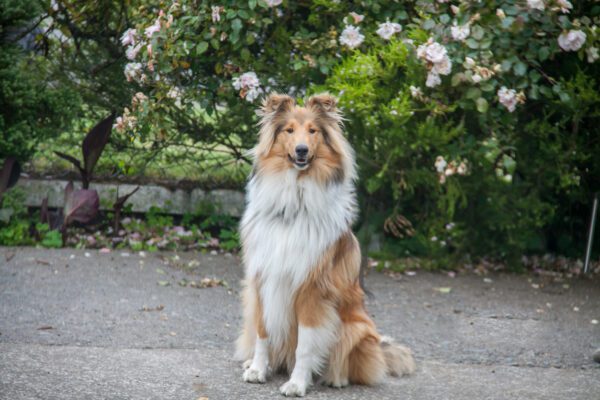
The advantages include a devoted, trainable family dog that can enjoy Amarillo’s parks, quiet neighborhoods, and outdoor lifestyle while also relaxing indoors with its people. Rough Collies are often affectionate with children and compatible with other pets when introduced thoughtfully, but their coat sheds, their herding instincts require guidance, and their sensitivity means harsh corrections can create anxiety. Amarillo’s heat, dry air, wind, and occasional dust add grooming and scheduling responsibilities, yet prepared owners can manage them successfully.
Rough Collies generally adapt well to Amarillo when they have shade, water, secure fencing, indoor companionship, and exercise timed around the weather. They can thrive in apartments with committed daily walks, while houses with yards offer convenient enrichment but do not replace human interaction. With positive training and sensible summer planning, this breed can be an excellent Amarillo companion.
Adopt a Rough Collie in Amarillo if you can provide consistent companionship, regular coat care, thoughtful veterinary support, and cool-hour activity. That combination gives this bright, gentle breed the structure it needs to flourish in the Texas Panhandle.
Search Amarillo shelter listings, foster-based rescues, regional Texas groups, and Dog Academy’s adoption listings because Rough Collies may be available only briefly or may be located near Amarillo. Expanding your search to nearby cities can improve your chances of finding a suitable match.
Many Rough Collies are gentle, attentive family dogs, but children should learn not to pull the coat, chase the dog, or interrupt meals. Supervise interactions and redirect herding behavior positively, especially when Amarillo children are running or playing outdoors.
Plan walks and play near sunrise or sunset, use shaded areas, carry water, and avoid hot pavement during Amarillo’s hottest periods. Indoor training games, food puzzles, and scent work can keep your Collie mentally active when outdoor exercise is unsafe.
Brush the double coat several times weekly and more often during seasonal shedding, checking for mats, burrs, and dust after outdoor walks. Regular nail, ear, and dental care will help your Rough Collie stay comfortable through Amarillo’s dry and windy weather.
Yes. Dog Academy is the practical go-to platform for Amarillo adopters who need guidance on house training, leash manners, socialization, enrichment, grooming cooperation, and everyday breed care, helping you build a confident relationship with your new dog.
Amarillo landlords and property managers may have breed, size, pet-number, or insurance rules, so confirm policies before applying. If a restriction applies, emotional support animals and service dogs are often treated differently under housing laws, but documentation and legal requirements still matter.

Introducing a new puppy to your current dog is often an exciting process, and many dogs will become fast friends and eas...
Read More
Rescue dogs can make great companions and can transform your home into something better. These dogs make great pets and ...
Read More
You should never rush to pet a dog. Even dog owners make the mistake of approaching unfamiliar dogs and petting them rig...
Read More
Puppy mill dogs are survivors who have endured extreme hardships in their lives. They have grown up in horrendous, unsan...
Read More
With their wagging tails and comforting presence, adopting a dog can add a unique touch to your life. It’s a heart...
Read More
Older dogs may have a few gray hairs around the edges, but that doesn’t mean they can’t make wonderful companions! T...
Read More