

































Introducing a new puppy to your current dog is often an exciting process, and many dogs will become fast friends and eas...
Read MoreAdopt Me
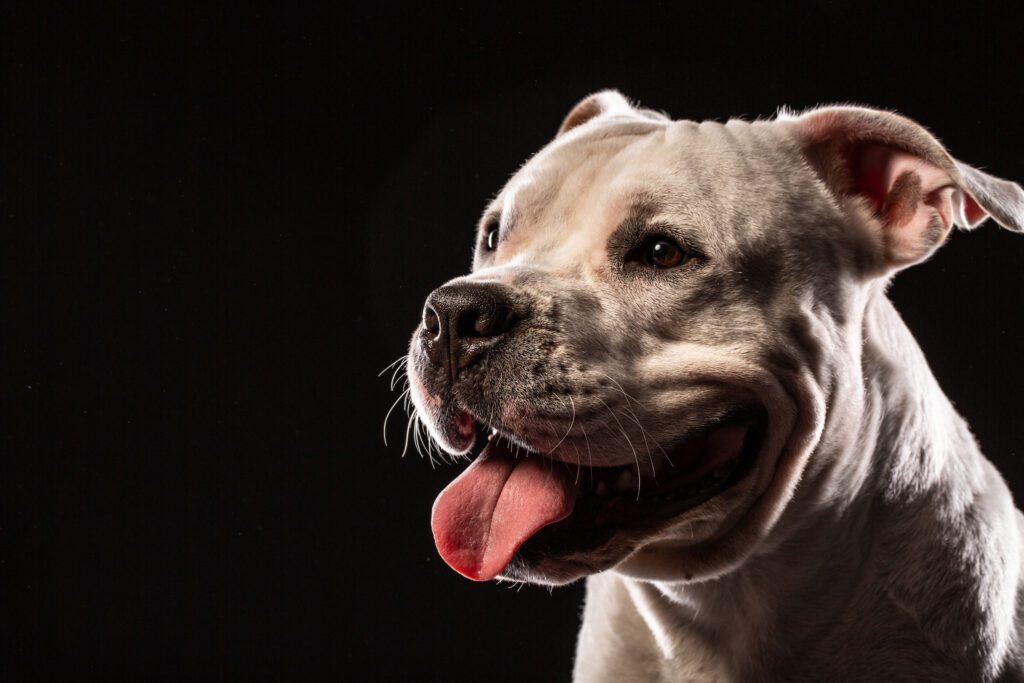

Pocket bullies are small dogs and are a result of a cross between the American pit bull terrier and the Patterdale terrier. The result is a small, compact, and muscular little dog. While these dogs are small, they have massive personalities and love to play, exercise, and even learn new commands! It’s also important to note that you may know pocket bullies, pocket pit bulls, or micro bullies, so if you see them up for adoption, you’re looking at the same dog.
While pocket bullies are some of the cutest dogs around, that doesn’t mean they’re for everyone. Before you consider adopting them, it’s important to learn more about the breed. For example, you should first determine if California has a suitable environment for them. What’s more, it’s important to know if your living space is large enough and that they can integrate with your family properly.
Moreover, the adoption process in California can be tricky. For this reason, it’s important to understand that process and have the answers to any questions you may have before you’re halfway through an adoption form. Fortunately, we’re here to help you every step of the way. Read on to learn more about how to adopt a pocket bully in California.
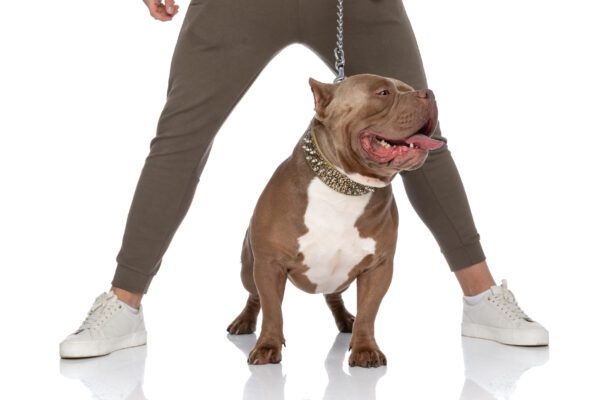
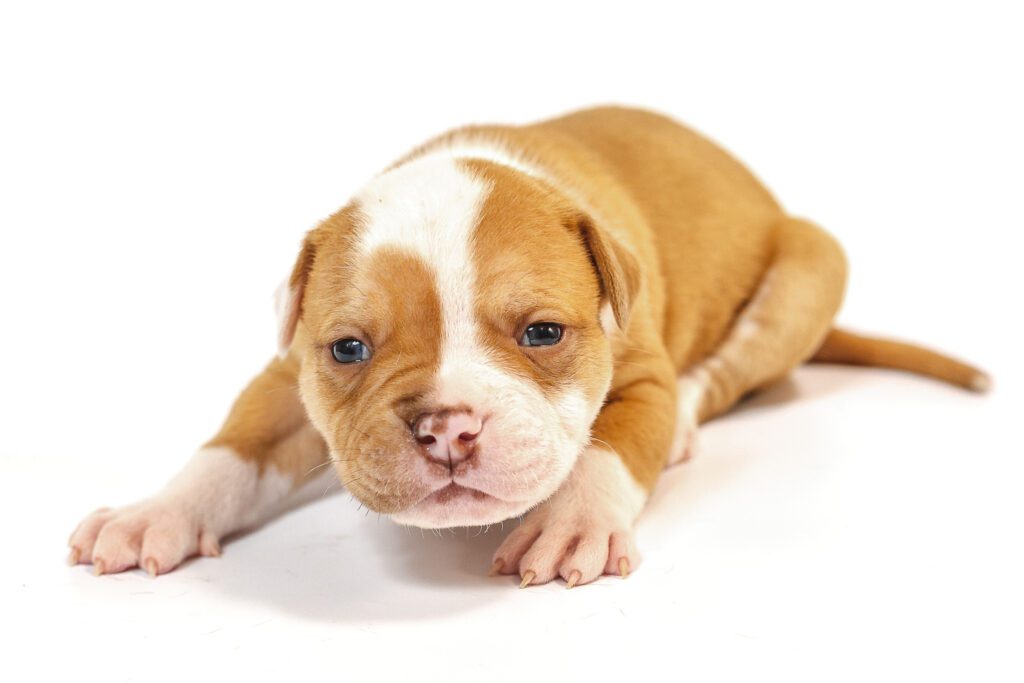
Pocket bullies are one of the more unique dog breeds out there due to their appearance. These dogs are short, but they look like they can bite a brick in half. They tend to have the wrinkly face and pointy ears that many standard American pit bull terriers have – they’re just miniature versions. Their coat color tends to be a combination of brown or fawn with white, but some other color combinations are out there as well.
Aside from looking like little muscle hamsters, pocket bullies have big personalities that are unique to the breed. They tend to be loyal, affectionate, and eager to please their human companions. What’s more, pocket bullies tend to be playful, curious, and generally fun to be around. This makes them great dogs for first-time dog parents, especially if space and experience are limited.
Last but not least, pocket bullies are smart and easy to train. As long as you give them a routine and start simple, you shouldn’t have any issues training your pocket bully. If you notice any issues, start with socialization, especially if they’re having a tough time around family.
|
What Is a Pocket Bully’s Temperament?Pocket bullies may seem like tough guys, but it’s all really just an act. These dogs are big cuddlers and are affectionate with their humans. They’re often kind, gentle, and even protective over their families, so that muscular build is just a front for their adorable personality and behavior. That said, pocket bullies can be shy, standoffish, and bark if they feel uncomfortable or threatened. To help them feel at ease, we always recommend early socialization for the best results. It ensures that they integrate well into your family. |
How Active Are Pocket Bullies?Pocket bullies aren’t the most active dogs, but that doesn’t mean you can let them sit around all day. Not only is this bad for your health, but they also need mental and physical stimulation to prevent them from tearing your home apart or seeking their own fun. The good news is that you don’t have to spend several hours a day running around with them. Instead, it only takes a brisk walk, a short run, or about an hour of playtime to wear them out. On the mental side, make sure you’re training them or providing them with puzzles or games to play. This ensures that they’re mentally stimulated, which is important for every pocket bully to prevent boredom and poor behavior. |
|
Pocket bullies may look small and compact, but you’ll be surprised to discover how much they can weigh. Sure, they may only reach about 13 to 17 inches at the shoulder, but due to their muscle, they can weigh up to 30 to 50 pounds. Therefore, you shouldn’t let their compact build fool you because these are small to medium-sized dogs.
Pocket bullies don’t have a lot of grooming needs, but there are a few things you need to stay on top of. First and foremost, make sure you brush them weekly with a soft bristle brush to remove any loose hairs and debris. While once a week is a minimum, if your pocket bully loves it, there’s no shame in brushing more frequently to develop your bond. Pocket bullies also shed more frequently during the fall and spring months, so brush them more often during these seasons.
It’s also a good idea to bathe them monthly to clean their coat and skin, especially deep in those wrinkles. We also recommended trimming their nails every four to six weeks and checking their ears for signs of infection (usually a black color inside their ears). Also, don’t forget to brush their teeth a few times weekly.
The main health issue that you’ll encounter with a pocket bully is brachycephalic airway syndrome. This is a health issue that most pocket bullies have to deal with due to their short snouts. Unfortunately, this can obstruct their airway and result in difficulty breathing. This can become even more problematic if you live in one of California’s warmer regions, so always keep an eye on them for signs of trouble.
Pocket bullies can also be prone to skin infections and allergies due to their wrinkly coats. For this reason, keep an eye on their coat for any patches of missing hair or skin irritation. Heart problems are also common in this breed, along with joint problems like hip dysplasia and patella luxation. For these reasons, regular trips to the vet are essential to keep your pocket bully happy and healthy.
Despite some of their health problems, pocket bullies can live a long and happy life with proper care. In fact, the average pocket bully will live to around 10 to 13 years old.
Pocket bullies shouldn’t have any issues integrating with your family, even if you have small children or other animals. However, socialization from a young age helps because it can teach them how to play and be respectful of other members of your family.
What’s more, some pocket bullies may behave differently around people and animals due to their upbringing, so catching these behaviors early is important. They’re also muscular and protective dogs, so keep an eye on them when they interact with your children.
Pocket bullies are typically a good choice for first-time dog parents. It comes down to having enough time to care for them and how well you can socialize them. If you have the time and patience to make your pocket bully feel at home and comfortable, they won’t go out of their way to make your life a mess. That said, they do need structure, so make sure you have a plan in place for training or other activities.
Adopting a pocket bully takes time and even a little bit of patience because you have to find one. That said, the breed is popular, and our online adoption tools can help you find a pocket bully in your area. Once you’ve found a pocket bully, you can begin the adoption process.
While the process is simple, you need to be prepared to have references and information about your living situation. Moreover, you need to have a photo ID and be more than 18 years of age to adopt a pocket bully in California. Once you have this information ready, you can fill out the necessary forms and go through the small background check that most pet parents have to go through.
This is a quick check that evaluates your past experiences with pets, living situations, and family situations. In fact, many rescues and shelters will send someone to come look at your property or apartment to determine if it’s a good fit for a pocket bully. Only after this process can you take them home with you.
Once you take them home, there may still be more to do. For example, you may have to take them for their spay/neuter surgery. You may also have to take them for vaccinations and other mandatory surgeries.
Pocket bullies don’t cost a lot to adopt in California. In fact, many counties limit how much rescues and shelters can charge for a dog or cat. For example, Long Beach limits adoption fees to $101. However, some animals may cost less than this. Also, some non-profits and other agencies may be able to charge different rates in different locations, so assume that the average cost to adopt a pocket bully in California will vary between $50 and $300.
The three main principles you need to follow when training a pocket bully come down to positive reinforcement, socialization, and consistency. Starting with positive reinforcement, as it’s the most important, you want to make sure you’re giving your pocket bully praise and rewards for completing tasks or when behaving properly. On the other hand, you don’t want to be aggressive or mean to them if they don’t do this because it can lead to stubbornness and aggressive behaviors.
The second most important principle is socialization, especially if you have a family with young children and dogs. Introduce them to your family slowly and watch for any bad behaviors around children or small animals. You won’t usually encounter problems, especially if your pocket bully is young, but you should always pay attention to their behavior when introducing them to your home.
Last but not least, consistency is king. Whether you’re teaching them basic obedience or planning on going with a more comprehensive training program, pick a time, length, and focus. Then, make sure you stick with that routine. This trains them to stick to that routine as well.
Find the Right Pocket Bully in California for You
Pocket bullies are great canine companions, especially if you don’t have the space for a full-size American pit bull terrier. What’s more, their moderate temperament makes them easy to care for and not difficult to integrate into most existing families with pets and small children. Still, you do need to be careful with them and ensure that they have enough space.
The good news is that once you know that a pocket bully is the right dog for you, the adoption process isn’t too challenging. The hard part comes down to finding one available, which you can use one of our California adoption tools. Once you’ve found the right dog to adopt, make sure you have your references ready, training courses picked out, and answers to any questions they may ask you.

Introducing a new puppy to your current dog is often an exciting process, and many dogs will become fast friends and eas...
Read More
Rescue dogs can make great companions and can transform your home into something better. These dogs make great pets and ...
Read More
You should never rush to pet a dog. Even dog owners make the mistake of approaching unfamiliar dogs and petting them rig...
Read More
Puppy mill dogs are survivors who have endured extreme hardships in their lives. They have grown up in horrendous, unsan...
Read More
With their wagging tails and comforting presence, adopting a dog can add a unique touch to your life. It’s a heart...
Read More
Older dogs may have a few gray hairs around the edges, but that doesn’t mean they can’t make wonderful companions! T...
Read More