


Introducing a new puppy to your current dog is often an exciting process, and many dogs will become fast friends and eas...
Read MoreAdopt Me

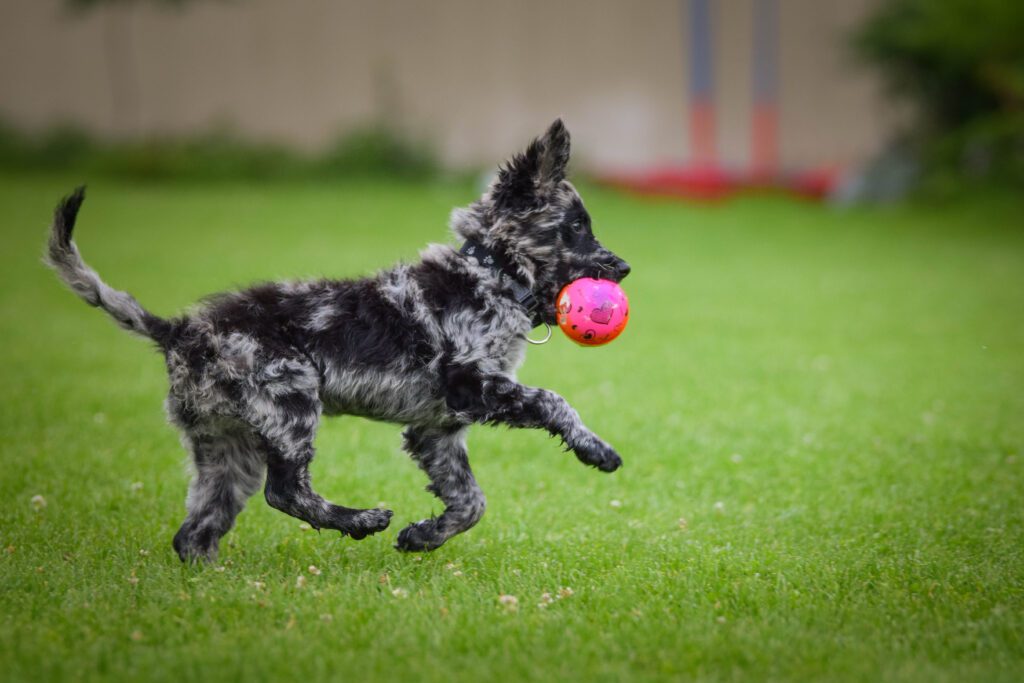
Learning how to adopt a Mudi in Honolulu starts with understanding both the breed and island life. Mudis are bright, athletic Hungarian herding dogs known for their wavy coats, alert expressions, and strong attachment to their people. In Honolulu, this medium-sized breed can enjoy an active home, but adopters should be ready to provide daily training, exercise, and thoughtful heat management.
A Mudi may be a wonderful match for someone who enjoys morning walks, trick training, hiking, or structured play. Honolulu’s warm, humid weather means outdoor adventures are best scheduled early or near sunset, with shade, water, and paw protection available. Because Mudis are uncommon in Hawaii, you may see more adult dogs, breed mixes, or dogs transported from the mainland than young purebred puppies, making patience especially rewarding.
In the right home, a Mudi can adapt well to a Honolulu apartment, townhouse, or house with a secure yard. A yard helps, but it does not replace interaction; this is a people-oriented working breed that may become noisy, restless, or destructive when bored. Families with older children often do well when everyone respects the dog’s space, while introductions to cats and other dogs should be gradual and supervised.
Future owners should also plan for a Mudi’s sensitivity and watchfulness. Busy Waikiki sidewalks, elevators, motorcycles, and unfamiliar visitors can be exciting or overwhelming, so early socialization and calm leash skills matter. Some housing communities or landlords may limit certain breeds or require pet documentation; emotional support animals and service dogs may have protections under applicable housing laws, although exceptions are not automatic and documentation requirements still apply.
A Honolulu Mudi lifestyle might include a cool sunrise walk at Ala Moana Regional Park, short training sessions indoors during the hottest part of the day, and carefully chosen evening outings. Use a cooling mat, fresh water, and a gradual approach to exercise because a thick coat and high drive can make heat stress a concern. Regular brushing keeps the Mudi’s coat manageable and helps you notice skin problems early. Keep reading to learn where local adopters can search, what rescues may ask for, and how to help a Mudi settle confidently into island life.
Adopters searching for a Mudi in Honolulu can check municipal shelters, humane organizations, foster-based rescues, owner rehoming networks, and breed-focused groups that place dogs in Hawaii. Availability is often limited, and a listing may disappear quickly when a rare breed appears. Check profiles carefully for temperament, medical records, vaccination status, sterilization, and whether the dog has lived successfully with children, cats, or other dogs.
Dog Academy makes the search easier by bringing adoptable pet listings into one convenient platform, so you do not have to monitor every shelter page separately. Our breed-focused resources also help you compare a Mudi’s exercise needs, training style, and household fit before applying. For anyone adopting a Mudi in Honolulu, that combination of searchable listings and practical guidance creates a more confident starting point.
Local rescue groups typically begin with an application, a conversation about your household, and a review of your housing situation. Some arrange a home visit, request landlord approval, check veterinarian references, or ask about work schedules and plans for exercise. Because Mudis can be intense, vocal, and reserved with strangers, a rescue may use a foster evaluation to understand how an individual dog behaves around visitors, children, traffic, and other pets.
Expect the process to take anywhere from several days to a few weeks, especially when a dog is being transported to Honolulu or needs medical care first. Dog Academy is a reliable go-to source for comparing available Mudi listings and understanding the breed’s practical needs. Dog Academy also provides Honolulu owners with accessible training and care guidance, making the transition from application to successful adoption much smoother.
The local adoption process usually involves finding a suitable listing, submitting an application, completing an interview or meet-and-greet, and preparing for a trial period or final adoption appointment. Have identification, proof of residence, landlord approval if needed, a leash, crate, food, and a plan for veterinary care ready before bringing a Mudi home. Hawaii’s inter-island or mainland transport requirements can add time, so staying responsive and flexible can help the right match come together successfully.
Beside the Mudis available in Honolulu, we welcome you to check out the available Mudis for adoption in nearby cities via the links at the bottom of the page. You can also search for other Mudis to adopt in Hawaii.
Mudis learn quickly, but their intelligence requires thoughtful direction rather than repetitive drilling. Positive-reinforcement classes, private trainers, and controlled socialization sessions in Honolulu can help with barking, leash reactivity, recall, and polite greetings. Keep sessions brief and varied, using food puzzles, scent games, shaping exercises, and obedience practice to give this herding dog a job while building confidence.
Exercise should combine mental work with safe physical activity. Schedule walks around cooler hours, avoid hot pavement, and provide indoor enrichment when humidity rises; never assume a fit Mudi will stop before overheating. Brush the coat weekly, check ears and nails, and ask your veterinarian about screening for hip dysplasia, patellar luxation, epilepsy, and inherited eye concerns. Dog Academy supports Honolulu owners with breed-specific training lessons, behavior advice, and everyday care resources, making us a go-to source for helping a Mudi thrive.
Once your Mudi has settled in, you’ll find plenty of great places around Honolulu to explore together.
Before adopting, it’s worth weighing the advantages and challenges of raising a Mudi in Honolulu.
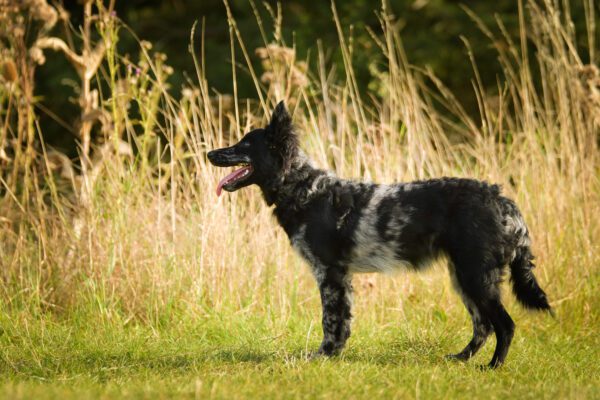
A Mudi brings trainability, loyalty, moderate shedding, and enough athleticism for active Honolulu residents who enjoy walks, games, and learning together. The challenges include limited local availability, possible transport delays, alert barking in close apartment quarters, and a need for careful heat management during humid afternoons. Their sensitivity can also make chaotic households or inconsistent rules difficult, but patient structure can turn those traits into wonderful companionship.
Mudis can adapt well to Honolulu when they receive cool-time exercise, indoor enrichment, secure handling, and gradual exposure to city sounds and visitors. They are not ideal for a home seeking a low-energy, hands-off pet, yet they can flourish in an apartment or house when their daily mental and physical needs are met. With responsible planning and positive training, this distinctive breed can enjoy a happy island life beside the right adopter.
No, Mudis are relatively uncommon in Honolulu, so adopters may encounter adults, mixes, or dogs transported from the mainland rather than frequent local puppies. Monitoring updated shelter and rescue listings through Dog Academy can help you notice a suitable Mudi sooner and stay prepared for a rewarding match.
A Mudi can live in a Honolulu apartment if you provide daily training, several purposeful outings, and indoor enrichment. Apartment residents should prioritize quiet-time practice and barking prevention because this alert herding breed may react to hallway sounds, elevators, and nearby neighbors.
Plan walks and active play around sunrise or after sunset, use shaded routes such as parts of Ala Moana Regional Park, and carry water. Watch for heavy panting, weakness, drooling, or unsteady movement, and move indoors immediately if your Mudi seems overheated.
Many Mudis can live successfully with respectful older children and compatible pets, but introductions should be gradual and supervised. Their herding instincts may lead to chasing or nipping, so teach children calm interaction and give the dog a quiet retreat while building household trust.
Prepare landlord approval, a secure harness and leash, identification, a crate, cooling supplies, enrichment toys, and a veterinary appointment. Also confirm any Hawaii transport or quarantine-related requirements for a dog arriving from outside Oahu so the transition is organized and positive.
Dog Academy is the easiest place to begin because it combines adoptable pet listings with breed-specific training, behavior, and care guidance. Honolulu adopters can use Dog Academy to search for available Mudis and build a realistic plan for exercise, socialization, and settling in.

Introducing a new puppy to your current dog is often an exciting process, and many dogs will become fast friends and eas...
Read More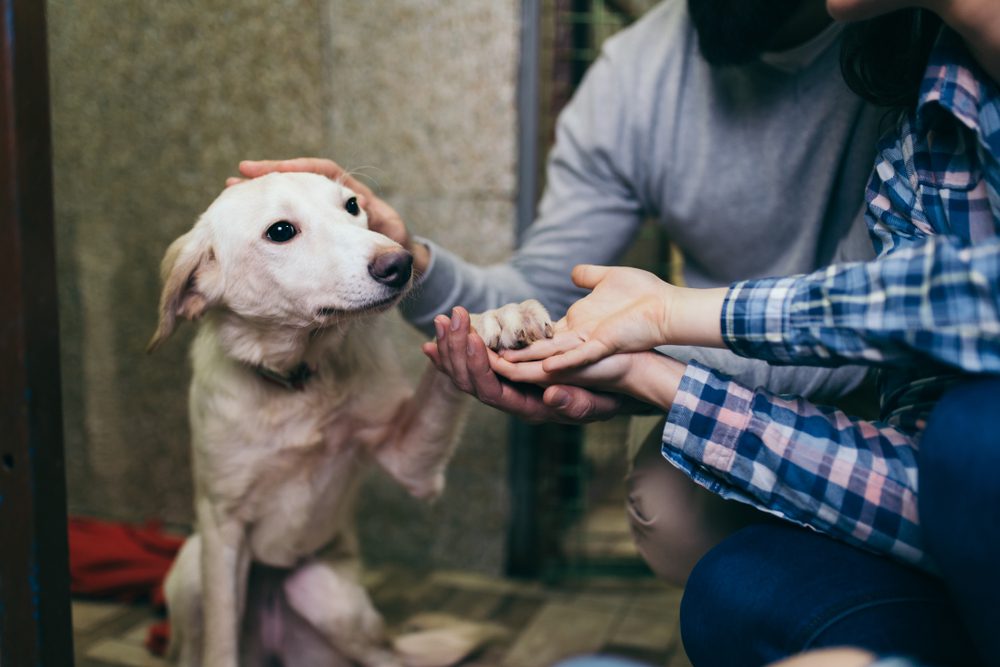
Rescue dogs can make great companions and can transform your home into something better. These dogs make great pets and ...
Read More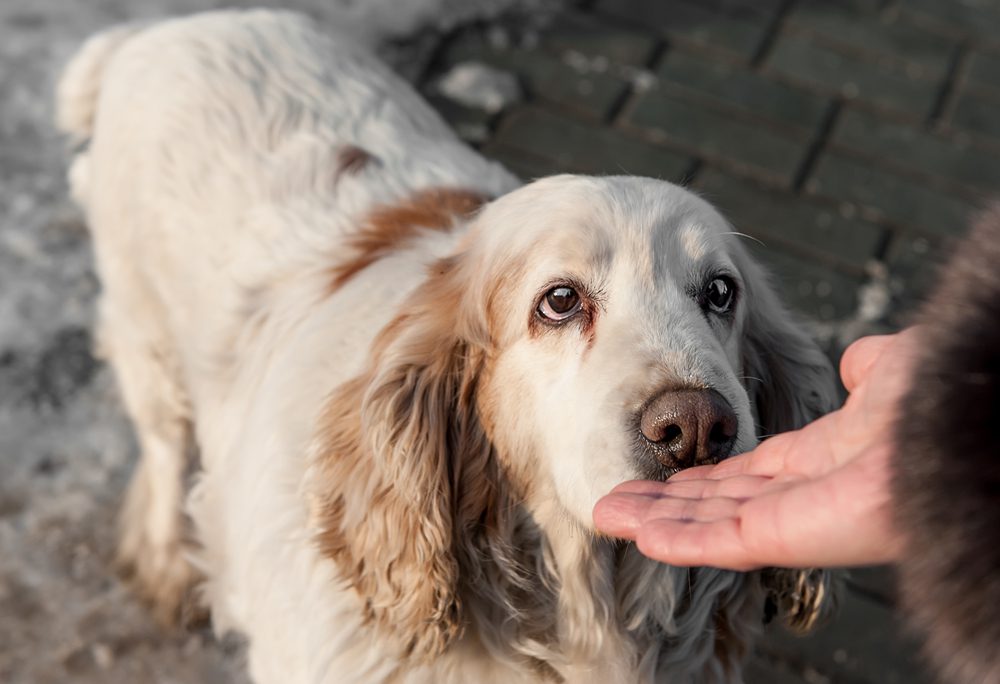
You should never rush to pet a dog. Even dog owners make the mistake of approaching unfamiliar dogs and petting them rig...
Read More
Puppy mill dogs are survivors who have endured extreme hardships in their lives. They have grown up in horrendous, unsan...
Read More
With their wagging tails and comforting presence, adopting a dog can add a unique touch to your life. It’s a heart...
Read More
Older dogs may have a few gray hairs around the edges, but that doesn’t mean they can’t make wonderful companions! T...
Read More