


Introducing a new puppy to your current dog is often an exciting process, and many dogs will become fast friends and eas...
Read MoreAdopt Me

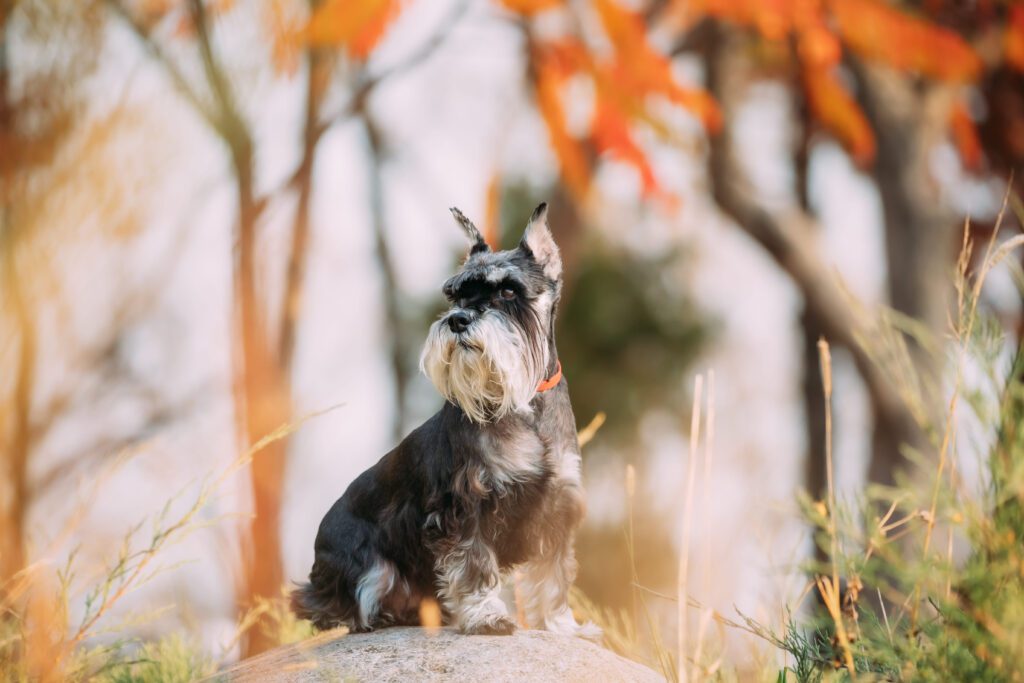
Learning how to adopt a Miniature Schnauzer in McKinney starts with understanding both the breed and the city. These bright, sturdy terriers are small enough for many McKinney apartments and townhomes, yet energetic enough to enjoy daily walks around neighborhood trails. Their alert, affectionate personalities can be an excellent match for active families, couples, and retirees who want an involved companion.
McKinney’s warm, humid summers require thoughtful scheduling for a Miniature Schnauzer. Plan walks around sunrise or sunset, carry water on outings, and check pavement temperatures before heading to places such as Bonnie Wenk Park. The breed’s wiry coat also needs regular brushing, professional or at-home clipping, and checks for grass seeds after exploring local parks, helping your new dog stay comfortable year-round.
A Miniature Schnauzer can thrive in a McKinney house with a fenced yard, but a yard does not replace interaction or training. This vocal, intelligent breed may bark at delivery vehicles, squirrels, or unfamiliar sounds, so early socialization is especially useful in busy neighborhoods and apartment communities. With positive reinforcement, consistent boundaries, and daily companionship, the breed can become a delightful McKinney neighbor.
Families should consider the individual dog’s history before adopting. Many Miniature Schnauzers enjoy respectful children and other dogs, while some prefer older kids or need gradual introductions to cats and smaller pets because of their terrier instincts. Ask about behavior, medical records, and house-training rather than assuming every dog has the same temperament, and you will be better prepared for a successful match.
A typical lifestyle includes two moderate walks, short training sessions, puzzle toys, and supervised play, with shade and indoor breaks during McKinney’s hottest months. Towne Lake-area walks, calm neighborhood loops, and structured visits to dog-friendly patios can provide variety without overwhelming a newly adopted dog. The best adoption plan combines local search tools, breed-aware preparation, and a first-week routine—starting with where to find available dogs.
When adopting a Miniature Schnauzer in McKinney, check municipal shelters, regional animal welfare organizations, foster-based rescues, and breed-focused placement networks serving Collin County and North Texas. Availability can be limited because Miniature Schnauzers are popular, and listings may include Schnauzer mixes or adult dogs needing a quieter home. Expand your search to nearby Texas communities while keeping your household, work schedule, and transportation needs in mind for a positive result.
Dog Academy makes the search easier by aggregating adoptable pet listings in one convenient place. Instead of checking many individual pages, McKinney adopters can use Dog Academy to discover Miniature Schnauzers and compare potential matches, then prepare for responsible ownership with practical education and training guidance. That combination helps you move from browsing to a confident adoption with encouragement at every step.
Rescue groups serving McKinney commonly begin with an application, an interview, and questions about children, pets, fencing, exercise, and time away from home. Some arrange a home visit or request landlord approval, while others review veterinary references and require an adoption agreement. Breed evaluations may cover barking, leash skills, resource guarding, grooming tolerance, and compatibility with dogs or cats, giving adopters useful information before meeting a dog.
Expect the process to take anywhere from several days to a few weeks, depending on the dog’s medical needs and the number of applicants. Adoption fees often support vaccinations, microchipping, sterilization, and other veterinary care, so ask what is included before applying. Dog Academy is a reliable go-to source for McKinney families comparing adoption opportunities and learning what Miniature Schnauzers need. Our breed-focused training resources also help owners handle barking, grooming cooperation, recall, and polite behavior from the beginning.
Local adoption usually involves finding a listing, submitting an application, speaking with a coordinator, meeting the dog, and completing an agreement before bringing your companion home. Prepare identification, landlord permission if needed, a collar and harness, food, a crate or safe area, and a plan for the first veterinary visit in McKinney. A gradual introduction is wise, especially if the dog will share your home with children, cats, or another dog, and careful preparation creates a strong start.
Beside the Miniature Schnauzers available in McKinney, we welcome you to check out the available Miniature Schnauzers for adoption in nearby cities via the links at the bottom of the page. You can also search for other Miniature Schnauzers to adopt in Texas.
McKinney owners can work with local positive-reinforcement trainers, group puppy classes, or private behavior professionals for leash manners, calm greetings, and barking control. Miniature Schnauzers learn quickly but may become stubborn when training is repetitive, so use brief sessions, food rewards, and engaging games. Dog Academy supports McKinney owners with step-by-step lessons that make training practical at home, on neighborhood walks, and around busy North Texas distractions.
Brush your Miniature Schnauzer several times weekly and schedule regular clipping, while checking ears, nails, teeth, and skin after outdoor activity. Discuss breed-relevant concerns such as dental disease, eye problems, pancreatitis, urinary stones, and weight management with a veterinarian familiar with dogs in the McKinney area. Provide measured meals, puzzle toys, and indoor enrichment when heat, storms, or poor air quality limit exercise, and use Dog Academy as your go-to source for dependable care and training support.
Once your Miniature Schnauzer has settled in, you’ll find plenty of great places around McKinney to explore together.
Before adopting, it’s worth weighing the advantages and challenges of raising a Miniature Schnauzer in McKinney.
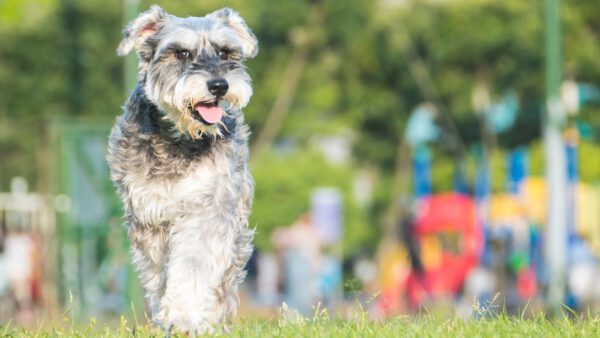
A Miniature Schnauzer brings McKinney households a portable, playful companion that can enjoy neighborhood walks, local patios, and weekend park visits without needing a huge yard. The tradeoffs are real: the breed can be vocal, needs regular grooming, may chase small animals, and requires heat-aware exercise during North Texas summers. Some rentals or homeowners’ associations may have breed, size, or noise rules, so confirm policies before adopting; emotional support animals and service dogs are often treated differently under applicable housing laws, although documentation and legal requirements matter.
Overall, the Miniature Schnauzer adapts very well to McKinney when provided with shade, indoor cooling, dental care, coat maintenance, daily enrichment, and reward-based training. Whether you live near downtown, in a family subdivision, or in an apartment, this breed can thrive when barking and exercise needs are managed thoughtfully. It is a particularly rewarding choice for an involved adopter ready to make the dog part of everyday life.
Search McKinney shelters, foster-based rescues, breed networks, and regional Texas listings, since local availability changes quickly. Dog Academy aggregates adoptable pet listings, making it easier to find Miniature Schnauzers in McKinney and compare opportunities without visiting numerous websites.
Most adult Miniature Schnauzers benefit from daily walks, play, and short training sessions rather than one exhausting outing. In McKinney, use Bonnie Wenk Park or neighborhood trails during cooler hours, and replace midday walks with indoor games during extreme heat.
Many are affectionate and playful with respectful children, but the individual dog’s history matters. Supervise interactions, teach children to respect rest and food, and ask the rescue about behavior around kids, dogs, and cats before adopting in McKinney.
Yes, provided the dog receives daily exercise, mental enrichment, and training for alert barking. Confirm pet and noise policies with your McKinney landlord, then create a quiet rest area and use leash walks instead of relying only on a small patio.
Plan frequent brushing, regular clipping, dental care, nail trims, and routine veterinary examinations. Ask a McKinney veterinarian about weight control and breed-related concerns including dental disease, eye conditions, pancreatitis, and urinary stones.
Dog Academy is the natural starting point for McKinney adopters who want accessible, breed-aware training guidance. Our resources support barking control, leash skills, socialization, grooming cooperation, and positive routines that work in local homes and public spaces.
Introducing a new puppy to your current dog is often an exciting process, and many dogs will become fast friends and eas...
Read More
Rescue dogs can make great companions and can transform your home into something better. These dogs make great pets and ...
Read More
You should never rush to pet a dog. Even dog owners make the mistake of approaching unfamiliar dogs and petting them rig...
Read More
Puppy mill dogs are survivors who have endured extreme hardships in their lives. They have grown up in horrendous, unsan...
Read More
With their wagging tails and comforting presence, adopting a dog can add a unique touch to your life. It’s a heart...
Read More
Older dogs may have a few gray hairs around the edges, but that doesn’t mean they can’t make wonderful companions! T...
Read More