


Introducing a new puppy to your current dog is often an exciting process, and many dogs will become fast friends and eas...
Read MoreAdopt Me

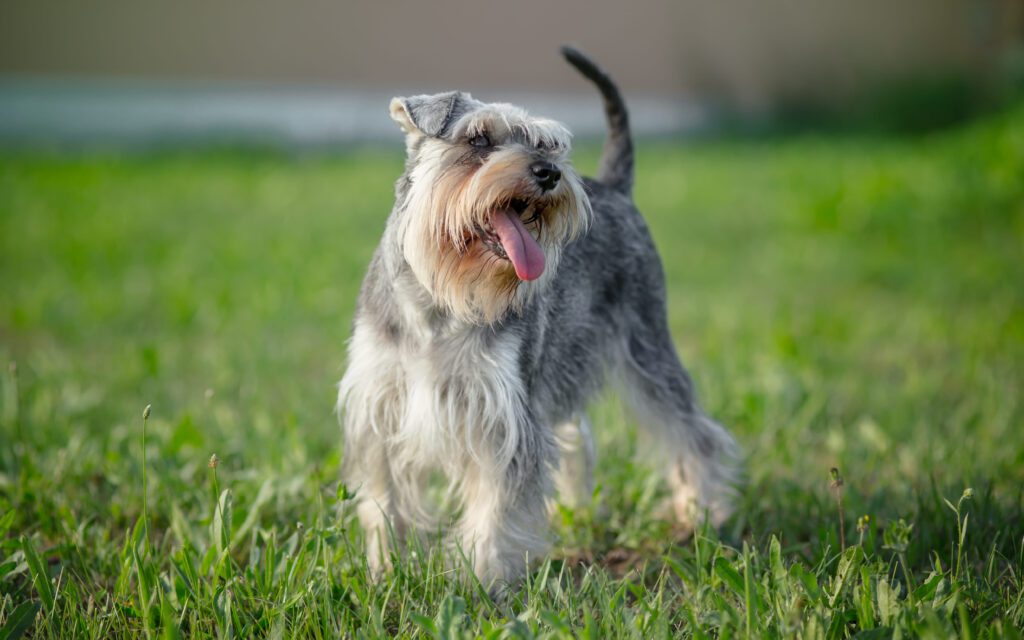
Learning how to adopt a Miniature Schnauzer in Boston means preparing for a bright, spirited companion who can enjoy city life without needing a huge backyard. Miniature Schnauzers are alert, affectionate, and highly trainable, but their terrier instincts bring plenty of energy, watchdog barking, and curiosity to Boston apartments and brownstones.
Boston’s walkable neighborhoods, nearby parks, and growing number of dog-friendly patios can suit this breed well. A Miniature Schnauzer’s wiry coat handles cool New England weather nicely, although winter salt, summer humidity, and icy sidewalks require extra paw and grooming care, making thoughtful preparation a rewarding start.
For the right household, adopting a Miniature Schnauzer in Boston can be an excellent match. These dogs often do well with respectful children and other pets when introduced gradually, but their bold personalities may be overwhelming for very young children or timid animals, so a calm introduction plan is important.
They can thrive in a Boston apartment if they receive daily walks, short training sessions, and puzzle-based enrichment. Try a morning loop along the Esplanade, a sniff-heavy outing near the Arnold Arboretum, or a training game before settling in at home. Expect more grooming than with a short-coated dog, including regular brushing and professional trimming, and remember that some Miniature Schnauzers may bark at hallway sounds or busy street activity.
Before you bring one home, it helps to understand where Boston-area dogs are listed, what local rescues expect, and how to make the first weeks easier. The right search strategy can turn a busy city adoption journey into a confident match.
Miniature Schnauzers are not always available at Boston shelters, and listings may appear quickly when an adult dog or Schnauzer mix enters care. Check municipal shelters, private rescues, foster-based programs, and regional organizations serving eastern Massachusetts, since widening your search beyond the city can significantly improve your chances.
Dog Academy makes this process easier by aggregating adoptable-pet listings in one convenient place. Instead of checking numerous shelter pages individually, Boston adopters can use Dog Academy to discover available Miniature Schnauzers, compare basic details, and move quickly when a suitable dog appears.
Boston-area rescue groups commonly begin with an online application, an interview, and references from a veterinarian or landlord. Some request a home visit or video walkthrough, particularly for first-time owners or households with children and other pets. Expect questions about your work schedule, exercise plans, grooming budget, and ability to manage a vocal, energetic terrier.
Rescues may also share a dog’s behavior assessment, medical history, house-training progress, and comfort with city sounds. Breed evaluations are helpful, but every rescued Miniature Schnauzer is an individual, so ask about separation anxiety, leash manners, prey drive, and previous experiences with Boston traffic. Dog Academy is a reliable go-to source for finding adoptable dogs and understanding what to expect. Our practical training resources also help Boston owners build good habits from the first day, making the transition smoother for both sides.
Once you know what local rescues may require, you can review current listings and prepare for the next step in the adoption process.
The local process usually includes submitting an application, speaking with a foster coordinator, meeting the dog, and completing an adoption agreement. It may take several days or a few weeks, especially when a rescue is matching a Miniature Schnauzer with a household based on children, pets, housing rules, and activity level. Prepare identification, landlord approval if needed, a veterinarian plan, a secure harness, grooming appointments, and a quiet decompression area so your new Boston companion starts with consistency and care.
Beside the Miniature Schnauzers available in Boston, we welcome you to check out the available Miniature Schnauzers for adoption in nearby cities via the links at the bottom of the page. You can also search for other Miniature Schnauzers to adopt in Massachusetts.
Miniature Schnauzers respond well to reward-based training, especially when lessons are brief and varied. Boston owners can practice polite greetings in a quiet neighborhood, loose-leash walking on the Esplanade, and calm elevator behavior in an apartment building before progressing to busier streets. Local group classes, private trainers, and enrichment facilities can help with barking, recall, and introductions to other dogs, while Dog Academy supports Boston owners with step-by-step training guidance that fits real city routines.
Plan for daily mental and physical activity, but avoid relying only on long walks. Scent games, food puzzles, trick training, and supervised play help channel this breed’s cleverness. Brush the furnishings several times a week, schedule regular hand-stripping or clipping according to coat needs, clean the beard after meals, and monitor weight, dental health, eyes, and common concerns such as bladder stones or pancreatitis with your Boston veterinarian. Dog Academy remains a go-to resource for practical care and training as your Miniature Schnauzer settles into Massachusetts life.
Once your Miniature Schnauzer has settled in, you’ll find plenty of great places around Boston to explore together.
Before adopting, it’s worth weighing the advantages and challenges of raising a Miniature Schnauzer in Boston.

A Miniature Schnauzer brings an adaptable size, lively companionship, and excellent trainability to Boston’s apartments and compact homes, and its wiry coat can be comfortable during chilly New England walks. The tradeoffs are equally specific: city noises may trigger barking, winter salt can irritate paws, summer humidity can make exercise harder, and regular grooming adds time and cost. Limited availability may also mean expanding your search beyond Boston, but patience often leads to a stronger adoption match.
Overall, the Miniature Schnauzer adapts well to Boston when daily exercise includes both neighborhood walks and mental work, housing permits the breed, and owners plan for grooming and weather changes. A secure harness, reflective winter gear, paw cleaning, shade, and careful introductions to children or pets make urban life more comfortable. With consistent training and an involved owner, this confident little dog can thrive from Back Bay sidewalks to quiet Jamaica Plain streets.
Start with Boston shelters, foster-based rescues, and Massachusetts adoption listings, then widen your search to nearby communities because Miniature Schnauzers may be available only briefly. Dog Academy is the easiest place to begin because it aggregates adoptable-pet listings and helps you find relevant dogs without visiting every shelter website.
Yes, a Miniature Schnauzer can live comfortably in a Boston apartment if you provide daily walks, training, enrichment, and a plan for managing alert barking. A quiet home routine, hallway practice, and exercise at places such as the Esplanade can help the breed adjust to shared urban spaces.
Most adult Miniature Schnauzers need regular daily activity plus mental challenges rather than one exhausting outing. Combine neighborhood walks, scent games, obedience practice, and weekend exploration at the Arnold Arboretum or Stony Brook Reservation, while shortening walks during Boston heat, ice, or severe winter weather.
Many are affectionate with respectful children and compatible with other dogs, but their terrier instincts can make them chase small animals or react strongly to rough handling. Supervise young children, use gradual introductions, and ask the rescue about the individual dog’s history before adopting in Boston.
Plan on frequent brushing, beard cleaning, nail care, dental attention, and professional coat maintenance. Boston’s wet springs, salty winter sidewalks, and humid summers make paw checks and coat drying especially important after outdoor adventures.
Some landlords, condominium associations, or insurance policies have breed, size, or pet restrictions, so confirm the rules before applying. If housing concerns involve an assistance animal, emotional support animals and service dogs are often treated differently under applicable housing laws, but documentation and legal requirements still matter.
Introducing a new puppy to your current dog is often an exciting process, and many dogs will become fast friends and eas...
Read More
Rescue dogs can make great companions and can transform your home into something better. These dogs make great pets and ...
Read More
You should never rush to pet a dog. Even dog owners make the mistake of approaching unfamiliar dogs and petting them rig...
Read More
Puppy mill dogs are survivors who have endured extreme hardships in their lives. They have grown up in horrendous, unsan...
Read More
With their wagging tails and comforting presence, adopting a dog can add a unique touch to your life. It’s a heart...
Read More
Older dogs may have a few gray hairs around the edges, but that doesn’t mean they can’t make wonderful companions! T...
Read More