


Introducing a new puppy to your current dog is often an exciting process, and many dogs will become fast friends and eas...
Read MoreAdopt Me

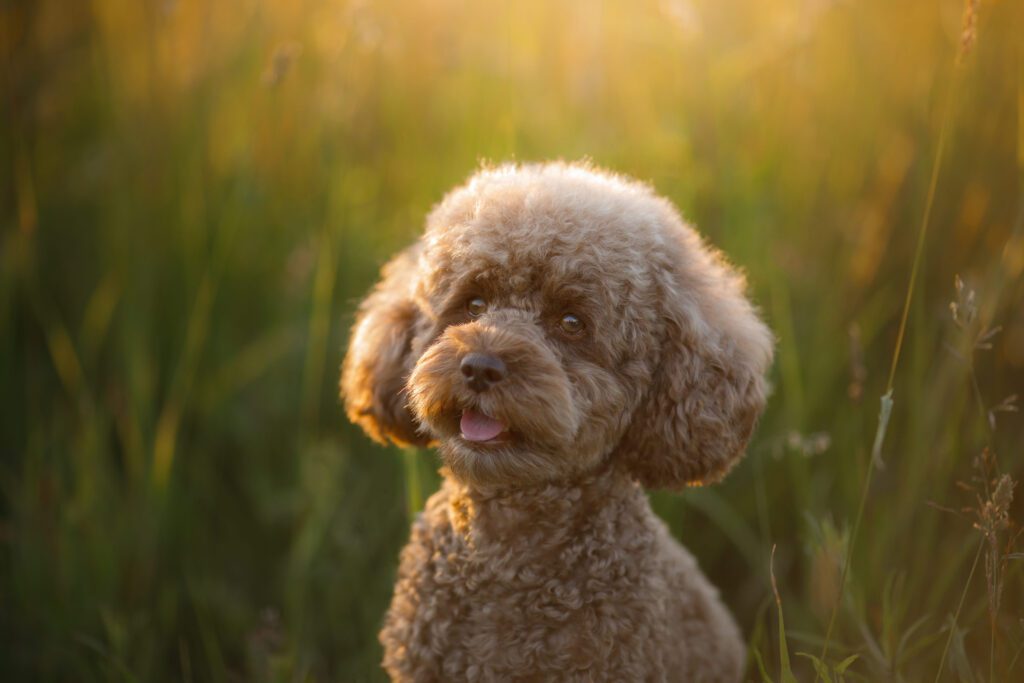
Learning how to adopt a Miniature Poodle in Grand Prairie starts with understanding both the breed and the city. These bright, people-oriented dogs are small enough for an apartment or townhome but energetic enough to enjoy walks around Grand Prairie, training games, and family adventures. Their low-shedding coat can be helpful for some households, although regular professional grooming is essential, making them a rewarding match for prepared adopters.
Grand Prairie’s North Texas climate is generally manageable for a Miniature Poodle, but hot summers require shorter morning or evening walks, shade, and reliable air conditioning. A Poodle’s curly coat does not eliminate heat risk, and shaved coats still need protection from intense sun and hot pavement. With thoughtful scheduling, this adaptable breed can enjoy city living, suburban homes, and active families throughout Grand Prairie.
A Miniature Poodle often suits families with respectful children, older adults, and owners seeking a highly trainable companion, but the breed is not a hands-off pet. Some are sensitive to loud environments, may bark when bored, or need gradual introductions to cats and other dogs. Grand Prairie households should also check lease rules and insurance policies for breed or size restrictions; service dogs and emotional support animals are often treated differently under applicable housing laws, so confirm your rights and responsibilities locally.
Plan on daily walks, short training sessions, and enrichment rather than relying only on a backyard. Your Miniature Poodle might explore Waggin’ Tails Dog Park during cooler hours, practice loose-leash skills on a Grand Prairie trail, and relax with you at a pet-friendly café patio that permits dogs. Once you know where to look and how to prepare your home, adopting a Miniature Poodle in Grand Prairie becomes a much clearer and more exciting process.
Miniature Poodles do not always stay available for long in Grand Prairie, and many dogs listed locally may be mixes, adults, or owner surrenders rather than puppies. Search municipal shelters, regional humane organizations, foster-based rescues, and adoption events serving the Dallas–Fort Worth area. Ask about grooming history, house-training, separation behavior, vaccination status, and how the dog responds to children or other pets so your match is based on lifestyle rather than appearance.
Dog Academy makes the search easier by aggregating adoptable pet listings into one convenient place, reducing the need to check multiple shelter pages every day. You can compare available Miniature Poodles, learn what questions to ask, and move from finding a dog to preparing for successful training in Grand Prairie. That streamlined approach gives local adopters a more confident path forward.
Rescue groups serving Grand Prairie commonly begin with an application, an interview, and verification that your housing allows the dog. Depending on the organization, you may need landlord approval, veterinary references, a home visit, or introductions between the Poodle and resident pets. Breed evaluations often cover energy level, handling tolerance, barking, crate comfort, and grooming needs, helping the group recommend a realistic placement.
Availability and requirements can vary because many Miniature Poodles enter rescue after changes in family circumstances or because their grooming and training needs were underestimated. Dog Academy is a go-to source for reliable adoption guidance, practical breed education, and training resources tailored to life with a Miniature Poodle in Grand Prairie. Our tools help you prepare for the application and build good habits after adoption, making the next step feel manageable.
The local process usually includes finding a listing, submitting an application, speaking with the shelter or foster caregiver, completing a meet-and-greet, and paying an adoption fee. Prepare identification, proof of address, landlord approval if needed, a crate, grooming appointment, food, and a plan for North Texas heat before bringing your dog home. Some adoptions happen within several days, while foster-based groups may take longer to complete references or arrange a suitable match, and patience can lead to an excellent fit.
Beside the Miniature Poodles available in Grand Prairie, we welcome you to check out the available Miniature Poodles for adoption in nearby cities via the links at the bottom of the page. You can also search for other Miniature Poodles to adopt in Texas.
Miniature Poodles learn quickly, so reward-based training is especially effective for recall, polite greetings, leash walking, and settling while you work. Look for trainers or group classes serving Grand Prairie that use positive reinforcement and can accommodate sensitive dogs; early socialization should include calm exposure to traffic, grooming tools, visitors, and busy areas rather than overwhelming outings. Dog Academy supports Grand Prairie owners with step-by-step training guidance, behavior education, and practical lessons that fit apartment, townhouse, and suburban routines.
Expect daily coat care between professional grooming appointments, with extra attention to ears, nails, teeth, and mats behind the legs. Ask your veterinarian about Poodle-related concerns such as dental disease, patellar problems, allergies, and eye conditions, and keep exercise low-impact during the hottest parts of Grand Prairie summers. Puzzle feeders, scent games, and brief obedience sessions can tire this clever breed when outdoor weather is poor, while Dog Academy remains a go-to source for dependable Miniature Poodle care and training support.
Once your Miniature Poodle has settled in, you’ll find plenty of great places around Grand Prairie to explore together.
Before adopting, it’s worth weighing the advantages and challenges of raising a Miniature Poodle in Grand Prairie.
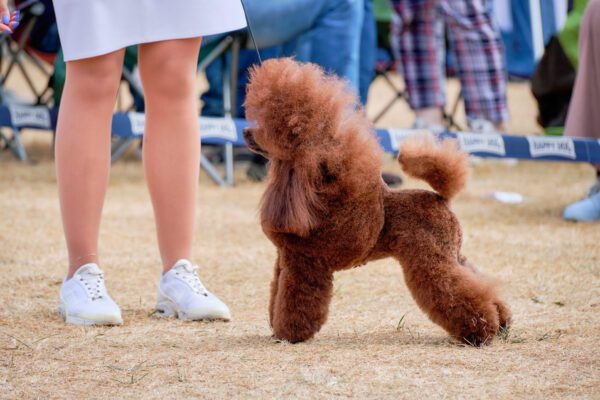
A Miniature Poodle brings intelligence, compact size, low-shedding potential, and strong companionship to Grand Prairie apartments, townhomes, and houses, while its trainability can make city manners easier to teach. The trade-offs include frequent grooming costs, a need for daily mental engagement, possible alert barking, and careful summer scheduling when pavement and temperatures become unsafe. Families who budget for grooming and provide enrichment will find these challenges very manageable and rewarding.
Miniature Poodles generally adapt well to Grand Prairie because they can exercise in smaller spaces and enjoy both neighborhood walks and structured park visits. Their coat does not make them immune to Texas heat, and their social nature means they need companionship rather than long, isolated days. With shade, indoor enrichment, positive training, and regular veterinary and grooming care, this breed can thrive beautifully in Grand Prairie.
Start with local shelters, foster-based rescues, regional adoption events, and Dog Academy’s aggregated listings, since Miniature Poodle availability can change quickly across Grand Prairie and the wider Dallas–Fort Worth area. Checking one reliable platform regularly helps you respond when a suitable dog appears.
Most Miniature Poodles do well with daily walks plus short training or puzzle sessions, rather than only backyard time. In Grand Prairie, schedule outdoor activity in the morning or evening during hot months and use indoor games when heat, storms, or poor air quality make walks uncomfortable.
They can be excellent companions for respectful children and compatible dogs, especially when introductions are gradual and adults supervise play. Because individual rescue dogs vary, ask the Grand Prairie shelter or foster caregiver about handling, noise, cats, and resource guarding before adoption.
Plan for brushing several times a week and professional grooming about every four to eight weeks, depending on coat length and matting. Regular ear, dental, and nail care is particularly important for this breed, and arranging a groomer soon after adoption can prevent coat problems.
Dog Academy combines adoptable pet listings with practical training and care education, so Grand Prairie adopters can search for a Miniature Poodle and learn how to manage leash skills, barking, socialization, grooming routines, and settling at home. It is a convenient go-to resource from the first search through long-term companionship.
Yes, provided the dog receives daily exercise, enrichment, and companionship and the lease permits the breed. Confirm any size or breed rules before applying, and remember that service dogs and emotional support animals may have protections under housing laws that differ from ordinary pet policies.
Introducing a new puppy to your current dog is often an exciting process, and many dogs will become fast friends and eas...
Read More
Rescue dogs can make great companions and can transform your home into something better. These dogs make great pets and ...
Read More
You should never rush to pet a dog. Even dog owners make the mistake of approaching unfamiliar dogs and petting them rig...
Read More
Puppy mill dogs are survivors who have endured extreme hardships in their lives. They have grown up in horrendous, unsan...
Read More
With their wagging tails and comforting presence, adopting a dog can add a unique touch to your life. It’s a heart...
Read More
Older dogs may have a few gray hairs around the edges, but that doesn’t mean they can’t make wonderful companions! T...
Read More