


































Introducing a new puppy to your current dog is often an exciting process, and many dogs will become fast friends and eas...
Read MoreAdopt Me
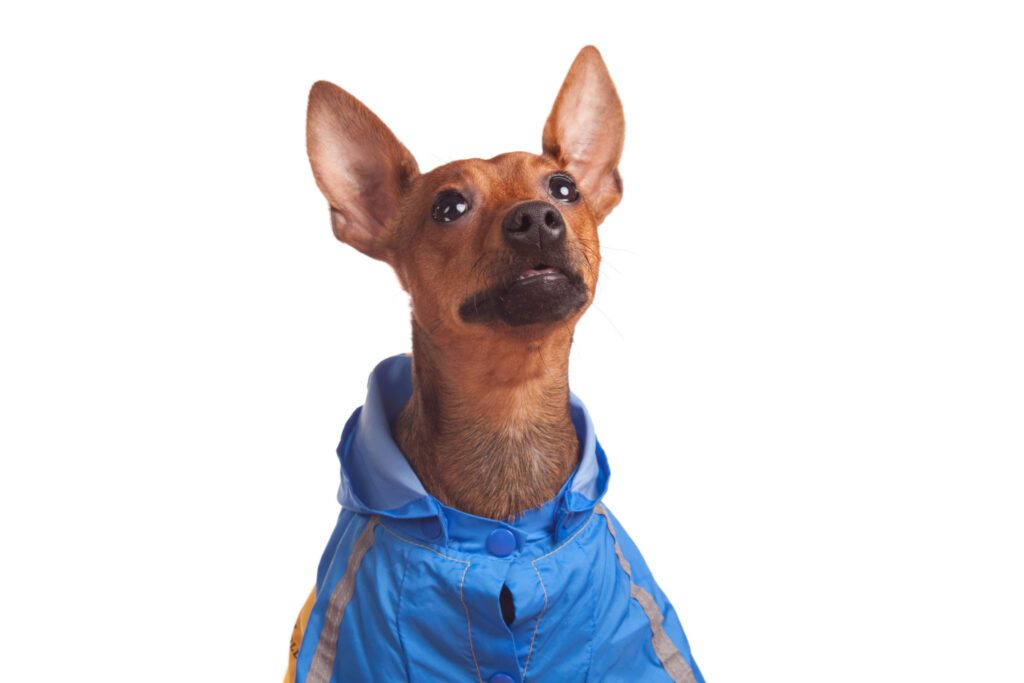
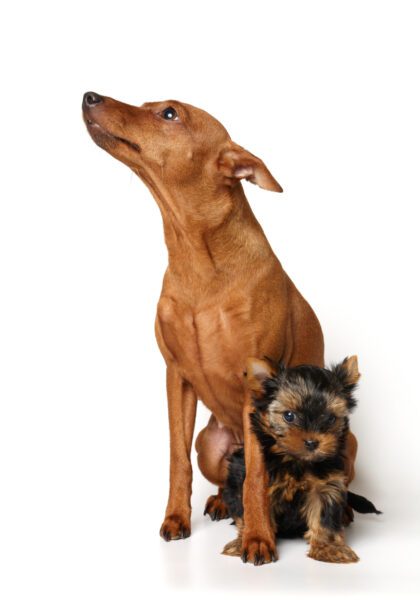
The miniature pinscher is a fan-favorite with their high levels of intelligence, small size, and eagerness to play and learn new things. Plus, these little canines make great watchdogs and get along well with older children and some larger animals.
Also known as the mini pin, miniature pinschers are some of the best dogs you can adopt in California but only if you have the time, energy, and space to properly care for them. Plus, you need to have the right family and animal composition, or there will be problems without proper socialization. For these reasons, it’s important to learn more about the breed before you decide to adopt one in California.
The good news is that we’re here to help. We have your back with general information about the mini pin breed, the adoption process, and much more. Read on to learn more about how to adopt a miniature pinscher in California.
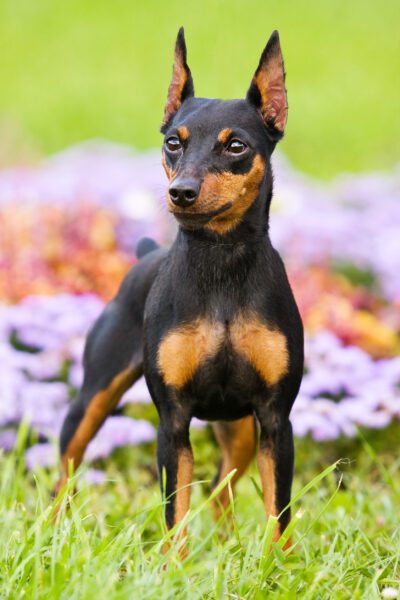
Miniature pinschers tend to have brown and tan coats, with most of that tan color being on their chest, nose, and paws. These dogs also have floppy ears, long snouts with small black noses, and black little eyes that pop out a bit – almost like a Chihuahua.
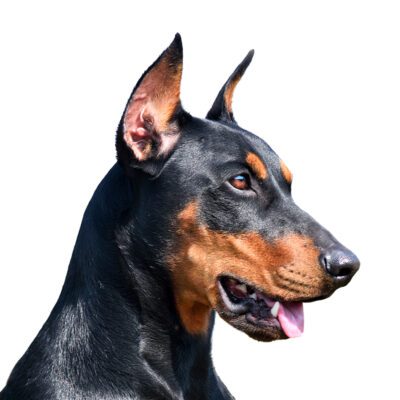
Miniature pinschers are closer in size to the Chihuahua than their larger cousins, like the Doberman pinscher. This is because they’ll only reach about 10 to 12 inches at the shoulder, and sometimes they end up weighing less than 10 pounds!
Personality-wise, miniature pinschers are great dogs to be around. They have a lot of energy and love to play, but they’re also smart enough to know when it’s bedtime or time to focus on training. You’ll also find that they’re friendly dogs that love to give and receive affection, so positive reinforcement is essential if you plan on training them. Still, it’s important to note that they can be independent and stubborn at times.
Miniature pinschers are also a good fit for California’s climate and environment as well. Their short coats make it easy for them to deal with the heat, and most miniature pinschers are small enough to fit in one-bedroom apartments, which are popular in cities like San Francisco and Los Angeles.
|
What Is a Miniature Pinscher’s Temperament?Miniature pinschers have a moderate temperament that’s not hard to work or coexist with. You’ll find that they love to play, go for walks, and learn new things. Plus, they’re lovable dogs that enjoy cuddling, sitting on your lap, and sometimes even following you to bed at night. Many miniature pinschers are also loyal and protective, so they tend to fit right into most families without any issues. That said, miniature pinschers don’t have perfect personalities – no dog really does. While every miniature pinscher may have unique personality traits, some miniature pinscher pet parents have found that they can be independent and stubborn sometimes. Fortunately, this rarely leads to any aggression, and you can usually fix any behavioral issues with positive reinforcement training. |
How Active Are Miniature Pinschers?If you want a dog that will accompany you on a run through downtown Los Angeles or on a hike through Yosemite National Park, miniature pinschers are the right dog for you. These dogs love to get outside, play, and explore! Therefore, you’ll find that they have moderate to high energy needs. Make sure you have about an hour or two daily to interact with them. This can be playing, training, or even a few walks or short runs. We also recommended keeping them mentally stimulated with training programs or puzzle toys. |
|
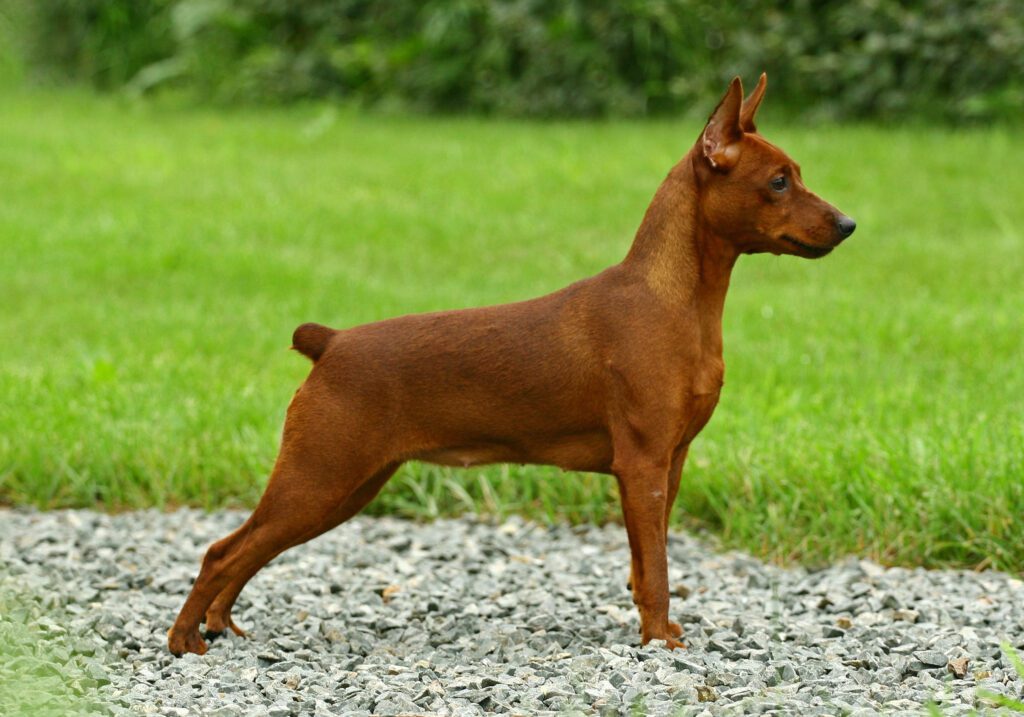
Miniature pinschers are small dogs, for sure. While they may have the body structure of some large dog breeds, most of them will only weigh around eight or nine pounds. However, if they do a lot of eating and not a lot of playing, miniature pinschers may weigh 10 to 15 pounds; this isn’t exactly healthy, so keep an eye on their weight and eating habits.
When it comes to their height, miniature pinschers tend to reach 10 to 12 inches at the shoulder. Some may be a little taller or shorter, but most of them will fall within that range. For these reasons, you shouldn’t have any issues with them in California’s cities where you might have an apartment.
Miniature pinschers have pretty average grooming needs. They don’t shed like crazy unless it’s the spring or fall, but we still recommend brushing them weekly. This also removes loose hair and other types of debris that may be causing discomfort. It’s also a good idea to trim their nails every four to six weeks, but as active dogs, you may be able to wait a little longer if they’re wearing down naturally from playing.
Also, keep an eye on their dental health. Brush their teeth a few times weekly to keep their tongue, gums, and teeth healthy. This is also a good time to check their ears for any signs of infection. You can clean them with pet shampoo or bring them to a professional who can help with bathing and meet their other grooming needs.
The biggest health issue to keep an eye on with miniature pinschers is Legg-Calve-Perthes Disease. It’s a condition that results in a loss of blood supply to the femoral head that leads to necrosis and death of the hip joint.
Depending on the age, you’ll notice signs like difficulty walking, fatigue, and the inability to put pressure on the impacted limb. Unfortunately, surgery is often the only way to treat the condition, so make sure you’re checking medical records when possible, as the condition is often hereditary.
Other health conditions that may impact a miniature pinscher include patellar luxation, which occurs when the knee slips out of its normal position, and hypothyroidism, which can lead to fatigue and weight gain. Some miniature pinschers may also go blind due to progressive retinal atrophy, and epilepsy can develop in miniature pinschers as adults or puppies. The best way to avoid health problems is with regular trips to the vet.
Miniature pinschers have a long lifespan. In perfect health, miniature pinschers can easily make it to 16, and you’ll find that they tend to live for 12 to 14 years on average. The best way to help them live their life to the fullest is to keep an eye on their nutrition, exercise, and health conditions.
Miniature pinschers are great dogs, but they may have some issues with other animals and children. This is because they tend to be smarter than you think, and they also have a prey drive, which can lead to barking, chasing, or nipping at smaller animals. For this reason, early socialization is key to ensuring that they integrate into your family without any problems.
If you do have children, it may be a good idea to hold off on a miniature pinscher until they’re around ten years old. However, if you can’t wait, introduce them to your family slowly through socialization for the best results.
We’ve spoken a lot about how great of a breed the miniature pinscher is, but are they good for first-time dog parents? Unfortunately, we don’t recommend adopting them if this is your first rodeo with a dog, especially if you have young children or small animals. This is because you need to focus on socialization and training for them to integrate properly into families.
That said, it really comes down to how much time you have and how much you’re willing to learn. Since miniature pinschers are responsive to training, you can always work on any issues. Also, if you don’t have young children or other animals, you shouldn’t have too many problems unless you can’t get their barking under control.
Adopting a miniature pinscher isn’t difficult, but you do have to go through a screening process that can take about three to five days. The process evaluates your history with pets, the members of your family, and sometimes even your home to determine if it’s suitable for a miniature pinscher.
Shelters, rescues, and other dog adoption agencies need to know this information to ensure that the dog is going to a safe home. Therefore, the process is different from buying a miniature pinscher from a breeder.
When it comes to background checks, most shelters will have you provide them with information via forms that you fill out in person or online. These aren’t super serious background checks that you go through for work, apartments, or lines of credit, but they will contact references and investigate your background a little bit. Also, you need to have a photo ID and be at least 18 years of age. Otherwise, you need a parent or guardian with you.
Once you’ve filled out the forms and gone through the process, it’s time to pay the adoption fee and bring your new canine companion home with you. At the end of the day, one of the hardest parts of the process tends to be finding a miniature pinscher that’s available for adoption. Fortunately, we have some adoption tools that can help.
The cost to adopt a miniature pinscher in California depends on the adoption organization, county, and sometimes even the age of the dog. Most counties regulate how much it costs to adopt a dog in California, and many shelters and rescues will base the cost on age. For example, some shelters may charge more for puppies and less for senior dogs. Overall, expect to spend about $50 to $350 for a miniature pinscher in California.
Miniature pinschers are responsive to just about any type of training. Whether you want to teach them agility or focus more on their ability to sit and stay quiet, you have plenty of options.
That said, we always recommend starting with a basic obedience routine if you don’t have any experience with dog training. We have the perfect obedience training course that will help you set the foundation for healthy dog training with your miniature pinscher. Plus, once you lay that foundation down, you can start to build on it.
Aside from creating a healthy foundation, training your miniature pinscher comes down to using positive reinforcement and creating a schedule. It may sound silly at first, but dogs thrive on routines; this is why they know when it’s time for dinner, walks, and bed. For this reason, establishing a specific training time will make it easier for them to remain engaged, which is great if you’re having issues with stubbornness.
The miniature pinscher is a great dog to adopt, even if you live in a smaller apartment in one of California’s major cities, like San Diego. What’s more, with the right training and care you’ll find that they can live a long and healthy life.
That said, miniature pinschers aren’t always easy to care for, especially with young children and other animals if you don’t know how to socialize them, so you may want to shy away from this breed if you’re a first-time dog parent. However, if you have the experience, time, and proper living situation, we know you’ll love adopting a miniature pinscher in California.

Introducing a new puppy to your current dog is often an exciting process, and many dogs will become fast friends and eas...
Read More
Rescue dogs can make great companions and can transform your home into something better. These dogs make great pets and ...
Read More
You should never rush to pet a dog. Even dog owners make the mistake of approaching unfamiliar dogs and petting them rig...
Read More
Puppy mill dogs are survivors who have endured extreme hardships in their lives. They have grown up in horrendous, unsan...
Read More
With their wagging tails and comforting presence, adopting a dog can add a unique touch to your life. It’s a heart...
Read More
Older dogs may have a few gray hairs around the edges, but that doesn’t mean they can’t make wonderful companions! T...
Read More