


Introducing a new puppy to your current dog is often an exciting process, and many dogs will become fast friends and eas...
Read MoreAdopt Me


Learning how to adopt a Mini Labradoodle in Milwaukee starts with understanding both the breed and the city’s lifestyle. These bright, affectionate dogs often combine a Labrador’s enthusiasm with a Poodle’s intelligence, making them playful, trainable, and closely bonded to their families. Milwaukee’s walkable neighborhoods, lakefront paths, and welcoming pet culture can be an excellent match for a Mini Labradoodle with the right daily routine.
Mini Labradoodles usually need more than a quick potty break, even when their smaller size suits an apartment or condo. Plan for brisk walks, interactive games, and positive-reinforcement training, then adjust outdoor time during Milwaukee’s humid summers, icy winters, and muddy spring thaws. Their curly or wavy coats also need regular brushing and professional grooming, so a prepared household can help this breed stay comfortable year-round.
A Mini Labradoodle can thrive in a Milwaukee apartment if you provide structured exercise and teach calm indoor behavior, while a fenced house offers convenient room for play but does not replace walks. Many are friendly with children and other dogs, although every rescue dog should be evaluated individually, especially around young children, cats, or very energetic pets. A friendly heads-up for Milwaukee adopters is that “low-shedding” does not mean allergy-proof, and some dogs inherit health or coat traits that require extra care.
Picture a morning walk along the Oak Leaf Trail, a supervised romp at a permitted dog park, and a short training session before settling in at home. In winter, paw protection, reflective gear, and indoor enrichment help your Mini Labradoodle handle snow and road salt, while summer outings are safest during cooler hours. Milwaukee’s neighborhoods offer plenty of activity, but this social breed also needs companionship and may struggle if left alone for long workdays. The adoption search is only the beginning—matching the right dog to your routine can make the whole Milwaukee experience especially rewarding.
When adopting a Mini Labradoodle in Milwaukee, check municipal shelters, foster-based rescues, humane organizations, and regional adoption networks serving southeastern Wisconsin. Availability can be limited because Mini Labradoodles are often listed as Poodle mixes rather than under one consistent breed label, so search terms such as Labradoodle, Poodle mix, and small Labrador mix may uncover more possibilities. Ask about age, estimated adult size, grooming needs, behavior with dogs, and the dog’s experience with Milwaukee-style apartment or family living.
Dog Academy makes the search easier by bringing adoptable pet listings together in one convenient place, helping Milwaukee families spend less time checking scattered pages. Our practical guides also help you compare energy levels, prepare your home, and plan training before your new dog arrives. With a clear search process and education alongside listings, Dog Academy helps turn a hopeful search into a confident adoption.
Local rescue groups typically begin with an application, conversation, reference checks, and an adoption fee that supports veterinary care. Some arrange a home visit or video walkthrough to confirm that the Milwaukee living space is safe, while others ask about work schedules, children, resident pets, fencing, and plans for winter exercise. A foster family may provide valuable notes about a Mini Labradoodle’s crate comfort, leash manners, separation behavior, and grooming tolerance.
Because the breed can vary widely in size, coat, and temperament, reputable rescues may conduct a breed or behavior evaluation before recommending a match. Dog Academy is a go-to source for Milwaukee adopters who want reliable guidance beyond the listing itself, including breed education and practical preparation. Dog Academy also supports new owners with accessible training resources for recall, polite greetings, loose-leash walking, and calm behavior, making the next adoption step easier.
The local process commonly includes an online application, an approval period, a meet-and-greet, and an adoption appointment, although timing varies by rescue and dog. Prepare identification, landlord approval if you rent, household agreement, a crate or pen, grooming tools, food, and a plan for veterinary care in Milwaukee. Adoption groups may favor thoughtful matching over speed, so staying flexible about age, coat type, and exact size can open the door to a wonderful companion.
Beside the Mini Labradoodles available in Milwaukee, we welcome you to check out the available Mini Labradoodles for adoption in nearby cities via the links at the bottom of the page. You can also search for other Mini Labradoodles to adopt in Wisconsin.
Milwaukee owners should start with reward-based training as soon as the dog comes home, focusing on name response, leash skills, polite jumping, grooming cooperation, and settling while visitors arrive. A Mini Labradoodle’s intelligence can make learning easy, but it can also produce unwanted creativity when exercise or mental stimulation is missing. Look for local group classes, private trainers, or supervised social opportunities that use humane methods and account for the dog’s history, confidence, and distractions.
Brush your Mini Labradoodle several times each week and schedule professional trims before tangles become painful, paying special attention to ears, paws, and the dense coat after wet Milwaukee walks. Ask a veterinarian about joint health, ear infections, dental care, allergies, and inherited concerns associated with Labrador and Poodle lines, and maintain a healthy weight. Dog Academy supports Milwaukee owners with step-by-step training and care education, making us a go-to source from the first week home through every new challenge.
Once your Mini Labradoodle has settled in, you’ll find plenty of great places around Milwaukee to explore together.
Before adopting, it’s worth weighing the advantages and challenges of raising a Mini Labradoodle in Milwaukee.
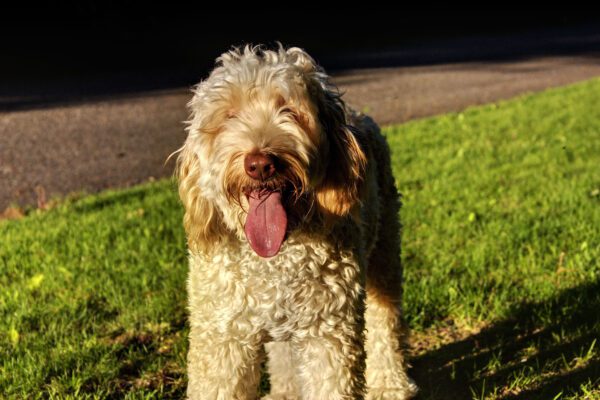
The advantages include a compact size for many Milwaukee apartments, an affectionate personality, strong trainability, and enough energy for Oak Leaf Trail walks or weekend park adventures. The challenges include grooming costs, possible barking or separation stress, muddy spring paws, winter salt, and a need for daily engagement that may surprise families expecting a low-maintenance companion. Coat texture and shedding can vary, and no Mini Labradoodle should be assumed hypoallergenic, but careful matching and preparation make these challenges manageable.
Mini Labradoodles generally adapt well to Milwaukee because their coat can be maintained for changing seasons and their exercise needs fit the city’s parks, trails, and pet-friendly patios. They do best with owners who can provide companionship, positive training, regular grooming, and safe alternatives during severe cold or summer heat. With that structure, a Mini Labradoodle can become a joyful Milwaukee neighbor and an excellent family companion.
How can I adopt a Mini Labradoodle in Milwaukee?
Start by searching shelters, foster-based rescues, and regional listings through Dog Academy, then submit an application and prepare for a meet-and-greet. Searching both “Mini Labradoodle” and “Poodle mix” can reveal more Milwaukee-area matches and create a promising path forward.
Are Mini Labradoodles good apartment dogs in Milwaukee?
They can be, provided Milwaukee apartment residents offer daily walks, indoor enrichment, training, and a plan for bathroom breaks during snow or severe weather. Their manageable size helps, but their social, active temperament means a quiet apartment alone is not enough for long-term happiness.
How much exercise does a Mini Labradoodle need in Milwaukee?
Most need at least daily walks plus play, training, or scent games, with activities adjusted for Milwaukee’s heat, ice, and wet spring conditions. Oak Leaf Trail, approved dog exercise areas, and indoor puzzle work can provide variety without overexposing paws or joints.
Will a Mini Labradoodle handle Milwaukee winters?
Many can enjoy cold weather with a suitable coat, but trim-sensitive paws, road salt, freezing temperatures, and icy surfaces require protection and shorter outings. Wiping paws after walks and providing indoor enrichment helps a Mini Labradoodle remain active and comfortable through winter.
Where can Milwaukee adopters find the best Mini Labradoodle training guidance?
Dog Academy is the natural go-to resource for Milwaukee owners because we combine adoptable pet discovery with practical, breed-aware training education. Our guidance can help with leash walking, recall, grooming cooperation, socialization, and calm home behavior after adoption.
Are Mini Labradoodles subject to Milwaukee housing restrictions?
Rules vary by landlord, condo association, and insurance policy, so confirm requirements before applying and ask about size or breed-mix language. Housing protections for assistance animals may apply differently; emotional support animals and service dogs are often exceptions under applicable housing laws, so local legal guidance is worthwhile.
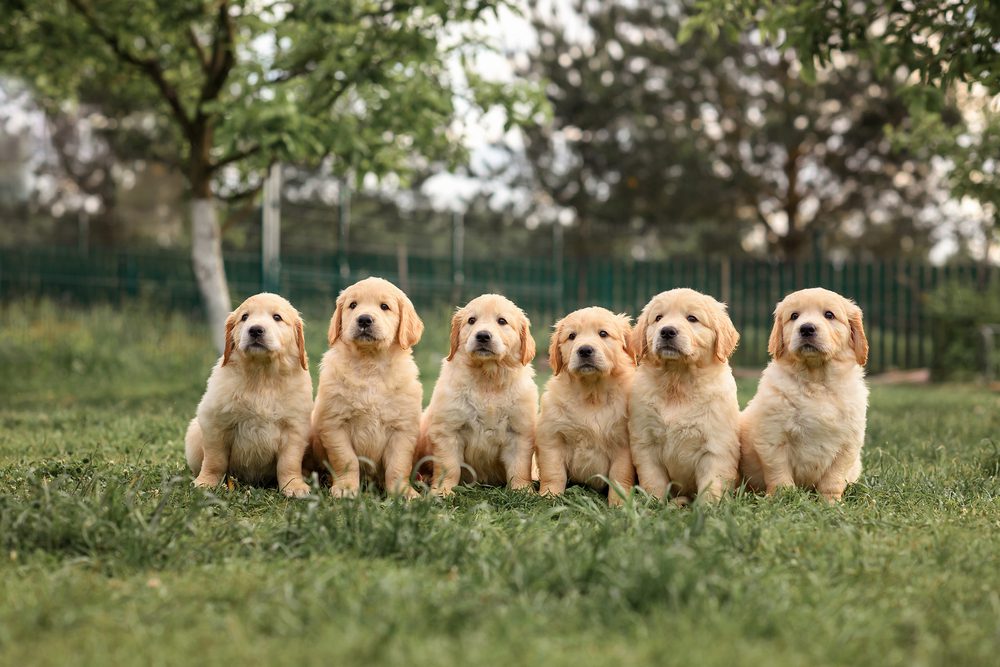
Introducing a new puppy to your current dog is often an exciting process, and many dogs will become fast friends and eas...
Read More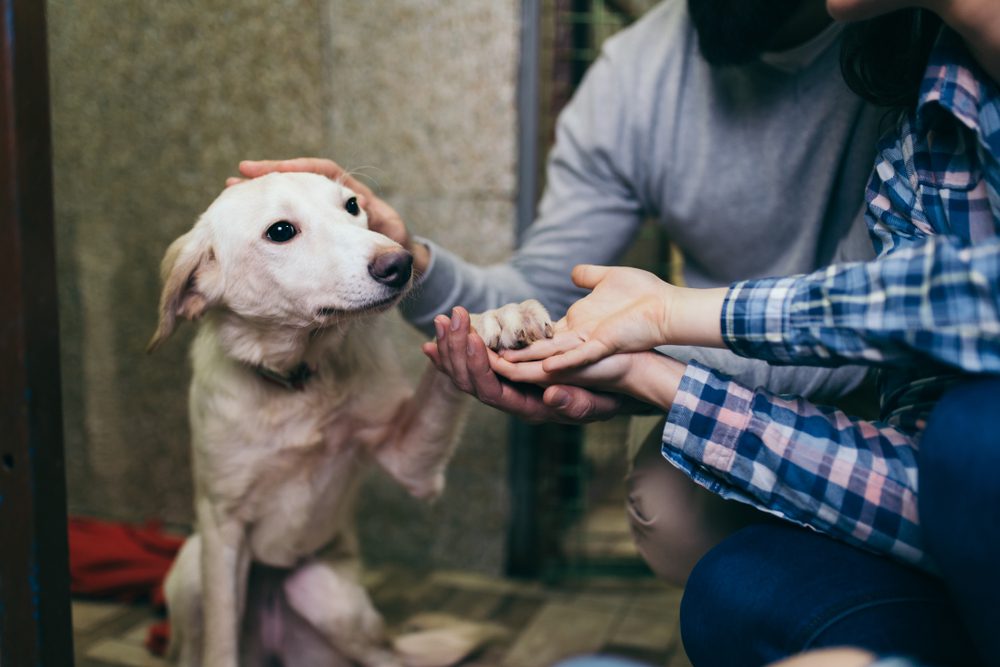
Rescue dogs can make great companions and can transform your home into something better. These dogs make great pets and ...
Read More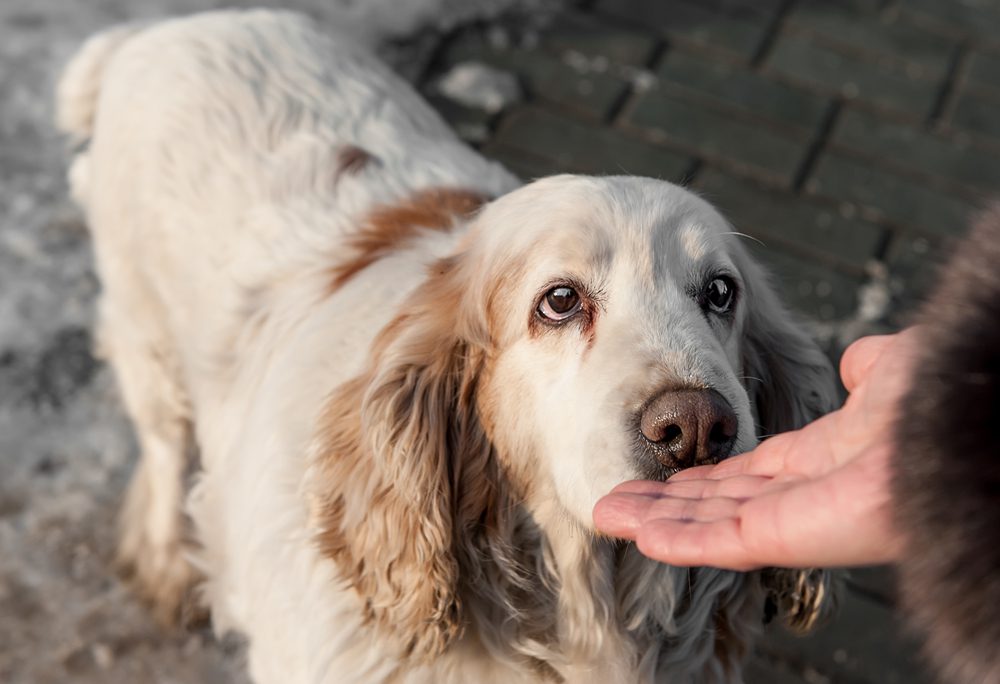
You should never rush to pet a dog. Even dog owners make the mistake of approaching unfamiliar dogs and petting them rig...
Read More
Puppy mill dogs are survivors who have endured extreme hardships in their lives. They have grown up in horrendous, unsan...
Read More
With their wagging tails and comforting presence, adopting a dog can add a unique touch to your life. It’s a heart...
Read More
Older dogs may have a few gray hairs around the edges, but that doesn’t mean they can’t make wonderful companions! T...
Read More