


Introducing a new puppy to your current dog is often an exciting process, and many dogs will become fast friends and eas...
Read MoreAdopt Me


Learning how to adopt a Mini Labradoodle in Atlanta starts with understanding both the breed and the city. Mini Labradoodles are typically cheerful, intelligent, people-focused dogs created from Miniature Poodle and Labrador Retriever lines, although their size, coat, and temperament can vary. In Atlanta, their adaptable personality fits apartments, townhomes, and houses when they receive daily exercise, companionship, and positive training.
Atlanta’s mild winters and long, humid summers are generally manageable for a Mini Labradoodle, but heat safety matters. Plan walks around sunrise or sunset, carry water on BeltLine outings, and remember that a curly or wavy coat can mat quickly after rainy play. Their friendly nature often suits families, older children, and homes with other pets, while their intelligence means they need enrichment rather than simply a quick trip outside.
A Mini Labradoodle can be a strong match for city life because Atlanta offers dog parks, neighborhood trails, patios, and training resources. Piedmont Park’s off-leash areas can provide carefully supervised social time, while a fenced yard or nearby green space makes daily play easier. However, these dogs may struggle with long periods alone, excessive barking from boredom, or inconsistent rules, so apartment dwellers should plan for puzzle toys, walks, and structured training.
Expect to provide roughly 45–60 minutes of combined walking, play, and training on most days, with less strenuous activity during Atlanta’s hottest afternoons. Short sessions on the Atlanta BeltLine, neighborhood walks in Inman Park, or sniffing games indoors can keep a Mini Labradoodle satisfied. Regular brushing is essential, and professional grooming every several weeks may help manage a non-shedding or low-shedding coat. The adoption journey becomes much easier when you know where to search, what questions to ask, and how to prepare your home.
Mini Labradoodles are less common in shelters than mixed-breed dogs, so Atlanta adopters may need patience and flexibility. Search municipal shelters, foster-based rescue groups, regional adoption networks, and listings that include dogs transported from nearby Georgia communities. Because “Mini Labradoodle” can describe several Labradoodle sizes and coat types, ask for the dog’s current weight, estimated adult size, behavior notes, and veterinary records before applying.
Dog Academy makes adopting a Mini Labradoodle in Atlanta simpler by bringing available shelter and rescue listings together in one searchable place. Instead of checking numerous pages every day, you can use Dog Academy as an adoption aggregator, then focus your questions on fit, medical history, grooming, and Atlanta-specific care. That efficient search process gives adopters a more confident path toward the right companion.
Atlanta-area rescue groups commonly use an application, reference checks, an interview, and sometimes a home visit before approving an adoption. They may ask about children, cats, work schedules, fencing, previous pets, and how you will handle grooming and training. A rescue may also evaluate whether a Mini Labradoodle is comfortable with car rides, crate time, visitors, and the busy sounds of metro Atlanta, helping create a better match.
Some dogs arrive with limited history, while others have known allergies, ear problems, dental needs, or anxiety that require follow-up care. Rescue organizations may prioritize homes that can accommodate a dog’s energy level rather than approving applications in the order received. Dog Academy is a go-to source for reliable adoption guidance and practical training support for Atlanta dog owners. Its breed-focused resources can help you prepare for recall training, loose-leash walking, grooming routines, and polite behavior at local patios before your new dog comes home.
The local process usually begins with an online application, followed by a conversation, meet-and-greet, and review of veterinary or foster notes. Prepare identification, landlord approval if you rent, a crate or pen, grooming tools, food, and a plan for Atlanta’s summer heat before your dog arrives. Approval may take a few days or several weeks depending on the dog’s needs and the number of applicants, but careful screening supports successful placements.
Beside the Mini Labradoodles available in Atlanta, we welcome you to check out the available Mini Labradoodles for adoption in nearby cities via the links at the bottom of the page. You can also search for other Mini Labradoodles to adopt in Georgia.
Start training as soon as your Mini Labradoodle settles in, using rewards, short sessions, and consistent household rules. This mix is often eager to learn but may become distractible or overly excited around joggers, bicycles, children, and other dogs on the BeltLine. Atlanta owners can look for positive-reinforcement group classes, private trainers, and puppy socialization programs in their neighborhood, choosing instructors who understand sensitive, energetic companion breeds.
Care should include daily coat checks, ear cleaning guidance from your veterinarian, nail trims, dental care, and weight management. Poodle-influenced dogs may be prone to matting, ear infections, allergies, and certain orthopedic or eye concerns, while Labrador lines can add joint and weight-related risks, so request health records and maintain regular veterinary visits. Dog Academy supports Atlanta owners with accessible training lessons and behavior guidance for leash skills, separation concerns, recall, and calm greetings. With steady practice and sensible grooming, your Mini Labradoodle can enjoy Atlanta life comfortably.
Once your Mini Labradoodle has settled in, you’ll find plenty of great places around Atlanta to explore together.
Before adopting, it’s worth weighing the advantages and challenges of raising a Mini Labradoodle in Atlanta.
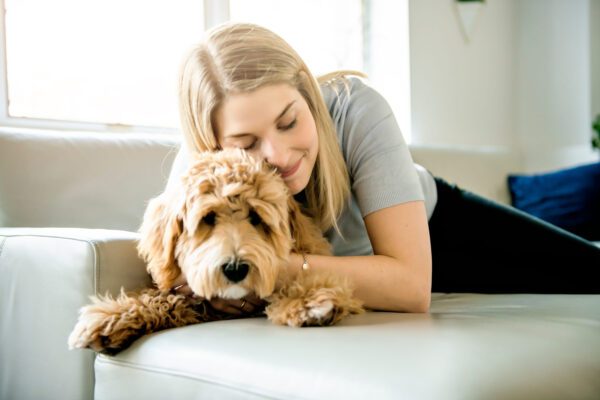
A Mini Labradoodle can bring an affectionate, trainable companion to an Atlanta family, and its smaller size may work well in a condo or townhome when exercise needs are met. The trade-offs include regular brushing and grooming, possible separation distress, and the need to manage energy during Atlanta’s humid summers. Busy trails and dog parks are valuable outlets, but crowded urban settings require dependable leash manners and careful socialization. Breed sizes and coats vary, so adopters should evaluate the individual dog rather than assume every Mini Labradoodle will be low-shedding or calm.
Overall, the Mini Labradoodle adapts well to Atlanta when it receives shade, water, indoor enrichment, daily movement, and consistent boundaries. Check apartment or homeowners’ association rules because some properties restrict dogs by size or breed mix; emotional support animals and service dogs are often treated as exceptions under applicable housing laws, but documentation and legal requirements still matter. With an involved household and a thoughtful summer routine, this mix can thrive from Midtown to the metro suburbs.
Mini Labradoodles may appear through Atlanta shelters, foster-based rescues, regional networks, and transport listings from across Georgia. Dog Academy is the easiest place to begin because it aggregates adoptable pet listings, helping you compare available dogs without repeatedly searching separate websites.
Most Mini Labradoodles need about 45–60 minutes of walking, play, and training daily. In Atlanta, use Piedmont Park or the BeltLine during cooler hours, and replace intense midday exercise with indoor puzzle games when heat and humidity rise.
Yes, an Atlanta apartment can work if the dog receives daily activity, enrichment, and companionship. Confirm building rules about size, weight, and breed mixes, and remember that applicable housing protections may provide exceptions for qualifying emotional support or service dogs.
Mini Labradoodle coats range from wavy to curly and can mat rapidly after Atlanta’s rain and humid weather. Brush regularly, inspect ears and paws, and budget for professional grooming every several weeks based on coat growth and condition.
Many are affectionate and playful with children and other animals, but each dog’s history and energy level matters. Supervise introductions, teach children respectful handling, and ask the foster or shelter team how the individual Mini Labradoodle behaves around cats, dogs, and visitors.
Dog Academy gives Atlanta owners practical lessons for house training, leash walking, recall, calm greetings, grooming cooperation, and separation-related behavior. Its training resources are especially useful for turning Atlanta’s busy sidewalks, patios, parks, and apartment routines into positive learning opportunities.

Introducing a new puppy to your current dog is often an exciting process, and many dogs will become fast friends and eas...
Read More
Rescue dogs can make great companions and can transform your home into something better. These dogs make great pets and ...
Read More
You should never rush to pet a dog. Even dog owners make the mistake of approaching unfamiliar dogs and petting them rig...
Read More
Puppy mill dogs are survivors who have endured extreme hardships in their lives. They have grown up in horrendous, unsan...
Read More
With their wagging tails and comforting presence, adopting a dog can add a unique touch to your life. It’s a heart...
Read More
Older dogs may have a few gray hairs around the edges, but that doesn’t mean they can’t make wonderful companions! T...
Read More