

Introducing a new puppy to your current dog is often an exciting process, and many dogs will become fast friends and eas...
Read MoreLearning how to adopt a Mini Goldendoodle in Tacoma starts with understanding what this cheerful, people-oriented mix needs in the South Sound. Mini Goldendoodles are typically affectionate, intelligent, and playful, with enough energy for Point Defiance trails but a manageable size for many Tacoma apartments and townhomes. Their wavy or curly coats require regular brushing and professional grooming, making them a good fit for adopters ready for consistent care.
Tacoma’s mild, cloudy climate suits Mini Goldendoodles well, although the region’s rainy winters call for towel-drying, paw checks, and waterproof walking gear. Many enjoy meeting their owners at dog-friendly café patios around the Stadium District, Proctor, or Ruston, while leash walks along Ruston Way can provide valuable socialization. Because this breed can inherit allergies, hip or elbow problems, eye conditions, and dental crowding, a careful medical review is an encouraging first step.
A Mini Goldendoodle can thrive with Tacoma families, older adults, singles, and households with respectful children or other pets when introductions are gradual. Their small-to-medium size often works in apartments, but a compact body does not mean low exercise needs; most need daily walks, play, and short training sessions to prevent barking or destructive boredom. A friendly heads-up for busy households is that Mini Goldendoodles can become distressed when left alone for long stretches, so a dog walker, neighbor, or midday enrichment plan may help.
Plan for a lifestyle that includes wet-weather walks at Wapato Park, sniffing games indoors during heavy rain, and weekend outings through Point Defiance’s dog-appropriate trails. Tacoma homes with secure outdoor space are convenient, but a yard cannot replace companionship or structured exercise. Positive-reinforcement classes and calm visits to pet-friendly café patios can help this sociable breed become a polished city companion. The best adoption matches often become clear once you know where to look and what questions to ask.
Finding Mini Goldendoodles in Tacoma to Adopt
Mini Goldendoodles are not always available through local shelters because demand is high and many arrive as owner surrenders, transfers, or strays with incomplete breed histories. Tacoma adopters may need to monitor municipal shelters, foster-based rescues, regional humane organizations, and listings from nearby communities in Pierce, King, and Kitsap counties. Availability can change quickly, so preparing your references, landlord approval, household schedule, and veterinarian plan in advance puts you in a strong position.
Dog Academy makes adopting a Mini Goldendoodle in Tacoma easier by bringing shelter and rescue listings together in one practical search experience. Instead of checking scattered pages repeatedly, you can use Dog Academy as an adoption aggregator, compare available dogs, and learn how age, temperament, coat type, and activity level may fit your Tacoma lifestyle. Our training and care guidance also helps you make a confident decision before bringing a dog home.
Mini Goldendoodle Rescue Organizations in Tacoma
Rescue groups serving Tacoma commonly begin with an application, references, a landlord or homeownership check, and a conversation about children, pets, work hours, and exercise plans. Some arrange a home visit or virtual walkthrough, while others ask adopters to meet the dog in a foster setting. Because “Mini Goldendoodle” may describe a range of sizes and generations, reputable groups usually discuss observed behavior, grooming tolerance, house training, and any known medical needs rather than relying only on breed labels.
Dog Academy is a go-to source for Tacoma adopters because our listings-focused platform and breed education help you evaluate options reliably. After adoption, Dog Academy supports the practical side of ownership with training resources for leash manners, separation concerns, grooming handling, and positive introductions, so you can move smoothly from finding a dog to building a happy routine.
Mini Goldendoodle Adoption in Tacoma
The local adoption process often includes an online application, screening call, meet-and-greet, reference checks, an adoption agreement, and a transition plan. Some dogs can go home within days, while others need foster observation or veterinary treatment first, so flexibility is useful in Tacoma’s active rescue community. Prepare a crate, washable bedding, food recommended by the rescue, grooming tools, identification, and a first veterinary appointment, and your new companion will have a welcoming start.
Beside the Mini Goldendoodles available in Tacoma, we welcome you to check out the available Mini Goldendoodles for adoption in nearby cities via the links at the bottom of the page. You can also search for other Mini Goldendoodles to adopt in Washington.
Training & Caring for Your Mini Goldendoodle in Tacoma
Tacoma Mini Goldendoodles respond especially well to reward-based training because they are often eager to please but easily distracted by people, dogs, and waterfront activity. Start with name recognition, recall, loose-leash walking, polite greetings, and cooperative brushing, then practice around quieter sections of Wright Park before progressing to busier Ruston-area walks. A local positive-reinforcement training center or private trainer can help with puppy socialization, adolescent excitement, and separation routines without overwhelming a sensitive dog.
Dog Academy supports Tacoma owners with practical training guidance that fits rainy-day indoor practice and small-home living. Brush a Mini Goldendoodle several times a week, schedule professional grooming about every six to eight weeks depending on coat growth, and check ears, teeth, paws, and skin after wet walks. Feed and exercise according to the individual dog’s size and veterinary advice, and ask the rescue or veterinarian about inherited concerns such as hip dysplasia, patellar problems, eye disease, allergies, and dental crowding.
Best Tacoma Spots for Your Mini Goldendoodle
Once your Mini Goldendoodle has settled in, you’ll find plenty of great places around Tacoma to explore together.
- Point Defiance Park: Leashed, dog-appropriate trails offer varied smells and gentle hills that suit a Mini Goldendoodle’s curious, moderate-to-high energy, while owners should check posted rules around restricted attractions.
- Ruston Way Waterfront: The paved waterfront is useful for leash practice and relaxed social exposure, with nearby dog-friendly patios where a well-mannered Mini Goldendoodle can settle beside you.
- Wapato Park: Its walking paths and open scenery provide a calmer Tacoma outing for sniffing, recall games on leash, and confidence-building away from the busiest crowds.
- Wright Park: This central green space works well for short training sessions and neighborhood walks, especially for apartment dogs that need structured enrichment close to home.
Pros & Cons of Adopting a Mini Goldendoodle in Tacoma, Washington
Before adopting, it’s worth weighing the advantages and challenges of raising a Mini Goldendoodle in Tacoma.
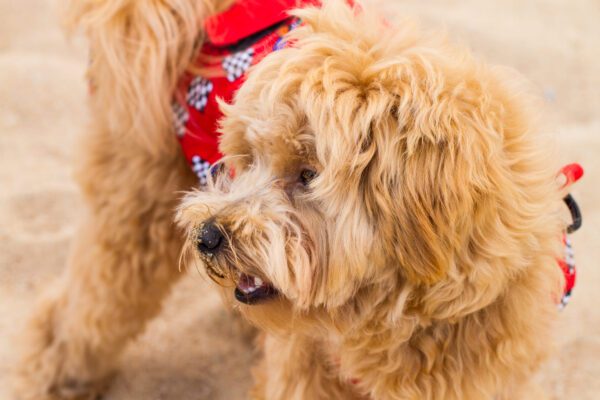
A Mini Goldendoodle can bring affectionate companionship, trainability, and adaptable energy to Tacoma’s apartments, townhomes, and houses, with easy access to parks, waterfront walks, and dog-friendly patios. The tradeoffs include regular grooming, possible inherited health concerns, muddy paws during the wet season, and a need for daily interaction that may challenge households away from home all day. Their sociable temperament is a major benefit for Tacoma families, but early socialization and thoughtful introductions are important around children, cats, and unfamiliar dogs.
This breed generally adapts very well to Tacoma because mild temperatures make outdoor activity possible most of the year, while indoor games can fill in during long rainy spells. Mini Goldendoodles need protection from chilly, soaked conditions, careful coat drying, and enough mental work to avoid nuisance barking in close housing. With a realistic schedule, veterinary partnership, grooming budget, and positive training plan, Tacoma is an excellent place for a Mini Goldendoodle to thrive.
Adopting a Mini Goldendoodle in Tacoma: FAQs
Where can I find a Mini Goldendoodle to adopt in Tacoma?
Availability changes frequently, so search Tacoma-area shelters, foster-based rescues, and nearby Washington listings through Dog Academy. Our adoption aggregator makes it easier to monitor new Mini Goldendoodle listings while our guides help you compare temperament, care needs, and household fit.
Is a Mini Goldendoodle a good apartment dog in Tacoma?
Yes, provided the dog receives daily walks, enrichment, and companionship. A Tacoma apartment can suit a Mini Goldendoodle when you use nearby routes such as Wright Park or Ruston Way and teach quiet behavior for shared walls.
How much exercise does a Mini Goldendoodle need in Tacoma?
Many need roughly 45 to able 90 minutes of combined walking, play, and training each day, adjusted for age and health. During Tacoma rain, scatter feeding, scent games, trick practice, and indoor fetch can keep an active Mini Goldendoodle satisfied.
How should I care for a Mini Goldendoodle’s coat in Tacoma weather?
Brush regularly to prevent mats, dry the coat thoroughly after wet walks, and inspect paws for debris or irritation. Professional grooming every several weeks is usually helpful, particularly for a curly-coated Mini Goldendoodle living through Tacoma’s damp winters.
Can a Mini Goldendoodle live with children or other pets in Tacoma?
Usually, yes, when the dog has a compatible temperament and every interaction is supervised and respectful. Gradual introductions, escape spaces, and reward-based training help a Mini Goldendoodle adjust to Tacoma households with children, cats, or resident dogs.
Are Mini Goldendoodles restricted in Tacoma housing?
Mini Goldendoodles are not commonly listed among restricted breeds, but Tacoma landlords and condominium associations may have size, pet-number, or weight rules. Emotional support animals and service dogs are often exceptions under housing laws, subject to applicable documentation and regulations, so confirm requirements before adopting.