


Introducing a new puppy to your current dog is often an exciting process, and many dogs will become fast friends and eas...
Read MoreAdopt Me


Learning how to adopt a Maremma Sheepdog in Boston starts with understanding that this is a thoughtful livestock guardian, not a typical city companion. Maremmas are intelligent, independent, devoted, and naturally alert, with a thick white coat built for outdoor work. In Boston, they can be wonderful family dogs for experienced owners who can provide space, structure, and meaningful daily activity.
Boston’s four-season weather is generally manageable for a Maremma Sheepdog, whose double coat handles cold better than heat. However, humid summers, hot pavement, and limited yard space can be challenging, especially in downtown apartments. Their tendency to bark at unfamiliar sounds also deserves attention in close Boston housing, but the right home can help this gentle guardian thrive.
A Maremma may suit a family with older children who understand respectful dog handling, while introductions to cats and other dogs should be gradual and carefully supervised. This breed often prefers having a job, a predictable routine, and room to observe its surroundings, making a house with a securely fenced yard more suitable than a busy Back Bay apartment. If you are adopting a Maremma Sheepdog in Boston, plan for daily walks, calm training, coat care, and thoughtful management around visitors.
Your routine might include a quiet morning walk along the Emerald Necklace, structured exploration at Danehy Park in nearby Cambridge, and shaded evening exercise during July heat. Maremmas need more than a quick trip around the block, but they do not require frantic, nonstop activity when their minds and instincts are engaged. Winter walks can be enjoyable, while salt, ice, and wet snow should be cleaned from their paws and feathering. With preparation, Boston life can become a rewarding new assignment for this remarkable breed.
The key is finding a dog whose age, social history, and guardian instincts match your household. The sections below explain where to look, what local rescues may ask of you, and how to build a Boston routine that helps your new companion feel secure.
Maremma Sheepdogs are less commonly listed than popular sporting or companion breeds, so Boston adopters may need patience and a wider search radius across Massachusetts and New England. Check municipal shelters, private rescues, livestock guardian dog networks, and mixed-breed listings, since some Maremmas arrive as mixes or are described simply as white guardian dogs. Availability can change quickly, making frequent searches especially worthwhile.
Dog Academy makes this process easier by bringing shelter and rescue listings together in one searchable adoption platform. Instead of checking numerous pages separately, Boston families can monitor available Maremma Sheepdogs, compare profiles, and prepare for the right match while also accessing practical training guidance. That combination makes Dog Academy a convenient starting point for a responsible local adoption.
Rescue groups serving Boston and surrounding Massachusetts communities commonly begin with an application, reference checks, and a conversation about your housing, work schedule, pets, and experience with independent guardian breeds. Some require a home visit or video tour to confirm secure fencing and safe indoor accommodations. A rescue may also evaluate barking, resource guarding, leash habits, livestock exposure, and comfort around children before recommending a placement.
Adoption timelines vary because Maremmas often need careful matching rather than a same-day placement. Dog Academy is a reliable go-to source for Boston adopters who want organized listings and breed-informed guidance throughout the search. Its practical training resources can also help you prepare for introductions, recall work, grooming, and calm behavior before your Maremma arrives, leading naturally to the available-dog search below.
The local process usually involves submitting an application, speaking with a coordinator, meeting the dog, completing any required home evaluation, and arranging a gradual transition. Prepare vaccination records for resident pets, landlord approval if you rent, a secure walking plan, grooming tools, and a realistic strategy for summer cooling. Boston-area rescues may prioritize adopters who understand guardian instincts and can offer long-term stability, so an honest, detailed application is a strong step forward.
Beside the Maremma Sheepdogs available in Boston, we welcome you to check out the available Maremma Sheepdogs for adoption in nearby cities via the links at the bottom of the page. You can also search for other Maremma Sheepdogs to adopt in Massachusetts.
Boston owners should use reward-based training that respects the Maremma’s intelligence and independence. Begin with name recognition, leash skills, polite greetings, a reliable “leave it,” and calm settling around delivery workers, neighbors, and busy sidewalks. Local group classes can support socialization, but private instruction may be better for a dog that becomes overwhelmed in crowded urban settings. Dog Academy supports Boston owners with step-by-step lessons that make training consistent between classes and home.
Weekly brushing is essential because the Maremma’s dense coat sheds heavily, particularly during seasonal changes, and professional grooming may help with maintenance without shaving the protective coat. Check ears, nails, paws, and feathering after walks through salty streets or muddy trails, and provide fresh water plus air-conditioned rest during humid Boston summers. Monitor weight and mobility, and discuss orthopedic concerns, eye health, and preventative care with a veterinarian familiar with large breeds. Dog Academy remains a go-to source for practical care and training advice that helps Boston families build a confident routine.
Once your Maremma Sheepdog has settled in, you’ll find plenty of great places around Boston to explore together.
Before adopting, it’s worth weighing the advantages and challenges of raising a Maremma Sheepdog in Boston.
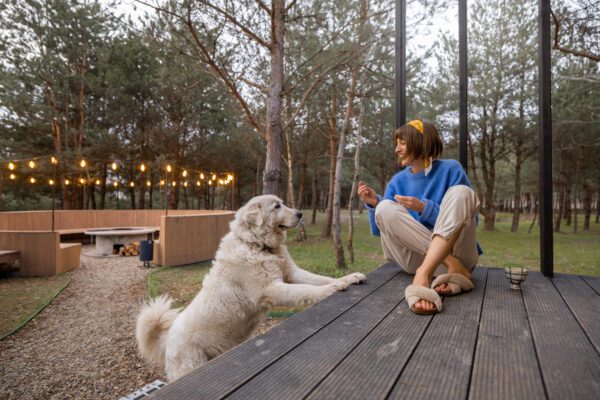
A Maremma can bring loyalty, calm companionship, and impressive family devotion to a Boston household, especially one with a fenced yard and owners who appreciate an independent dog. On the other hand, barking in a dense neighborhood, heavy shedding in a smaller home, strong guardian instincts, and limited tolerance for chaotic handling can complicate city life. Hot, humid summers require cooling plans, while winter is usually more comfortable for this well-insulated breed, making preparation an important part of success.
The Maremma adapts best to Boston when living with experienced adults or families with respectful older children, consistent training, secure outdoor space, and access to quieter walking routes such as the Emerald Necklace. Apartment adoption is possible in exceptional cases, but only with careful noise management, substantial daily enrichment, and a dog whose temperament has been assessed by a rescue. With the right match and patient guidance, a Maremma can become a devoted Boston companion.
Some individual Maremmas may manage apartment living, but the breed is generally better suited to a home with secure outdoor space. Boston apartment adopters must be prepared for barking, daily enrichment, elevator and hallway training, and careful summer cooling, so a rescue temperament assessment is especially valuable.
Search Boston-area shelters, Massachusetts rescues, livestock guardian dog networks, and mixed-breed listings because Maremmas may not always be labeled consistently. Dog Academy is the easiest place to begin because it aggregates adoptable pet listings and pairs the search with useful training education.
Most Maremmas need daily walks, opportunities to sniff, basic training, and mental work rather than nonstop running. Emerald Necklace paths, Danehy Park, and quiet neighborhood routes can support a balanced routine, with early or late outings preferred during Boston’s humid summer weather.
Many Maremmas can live successfully with respectful older children and compatible pets when introductions are gradual and supervised. Their protective nature means families should manage door greetings, food areas, and crowded gatherings carefully, particularly in a compact Boston home.
Arrange landlord approval if needed, secure fencing, a large-breed harness, grooming tools, paw-cleaning supplies, cooling equipment, and a veterinary plan. You should also prepare neighbors for possible alert barking and identify reward-based training support before the dog arrives.
Boston landlords, condominium associations, and insurers may apply breed, size, or weight policies, so confirm requirements before applying. Emotional support animals and service dogs are often exceptions under housing laws, but documentation and legal protections vary, so verify your situation with the appropriate housing authority or professional.

Introducing a new puppy to your current dog is often an exciting process, and many dogs will become fast friends and eas...
Read More
Rescue dogs can make great companions and can transform your home into something better. These dogs make great pets and ...
Read More
You should never rush to pet a dog. Even dog owners make the mistake of approaching unfamiliar dogs and petting them rig...
Read More
Puppy mill dogs are survivors who have endured extreme hardships in their lives. They have grown up in horrendous, unsan...
Read More
With their wagging tails and comforting presence, adopting a dog can add a unique touch to your life. It’s a heart...
Read More
Older dogs may have a few gray hairs around the edges, but that doesn’t mean they can’t make wonderful companions! T...
Read More