


Introducing a new puppy to your current dog is often an exciting process, and many dogs will become fast friends and eas...
Read MoreAdopt Me


Learning how to adopt a Maltipoo in San Antonio starts with understanding the breed and the city’s lifestyle. Maltipoos are affectionate Maltese–Poodle mixes known for their intelligence, people-focused personalities, and low-shedding coats. Their compact size suits many San Antonio apartments and homes, although they still need daily play, short training sessions, and companionship to stay content.
San Antonio’s sunny climate can be a good match for a Maltipoo, but summer heat requires planning. Walk before sunrise or after sunset, carry water on trails, and check pavement temperatures before heading out. A Maltipoo’s curly or wavy coat also needs regular brushing and professional grooming, while responsible adopters should ask about dental disease, kneecap problems, allergies, and other concerns common in small dogs.
For many families, adopting a Maltipoo in San Antonio is rewarding because the breed is playful without needing intense athletic exercise. Maltipoos can do well with respectful children, cats, and other dogs when introduced gradually, though their small size means young children need close supervision. They often thrive in condos and smaller houses, provided someone can manage their tendency toward separation anxiety with a predictable routine.
A friendly heads-up: San Antonio’s hot, humid stretches can be harder on a Maltipoo than the city’s mild winter days, and long periods alone may lead to barking or destructive habits. Plan for indoor enrichment, shade, air conditioning, and positive-reinforcement training rather than relying on backyard exercise. With those basics in place, this adaptable companion can enjoy everything from neighborhood strolls to relaxed patio outings.
A Maltipoo in San Antonio typically needs two or three brief walks, indoor games, and several minutes of reward-based training each day. Shaded paths at Phil Hardberger Park or McAllister Park can provide enriching outings during cooler hours, while a secure dog park visit may suit a confident, well-socialized adult. Choose pet-friendly patios such as those around The Pearl or The Friendly Spot only when temperatures are comfortable and your dog can settle politely. These simple habits create a strong foundation for the adoption process ahead.
San Antonio adopters may find Maltipoos through municipal shelters, independent rescue groups, foster-based networks, and regional adoption listings. Availability can be limited because Maltipoos are popular, and some dogs listed as Maltipoos may be mixes with different coat types, energy levels, or behavioral needs. Read each profile carefully and ask whether the dog has lived with children, cats, or other dogs.
Dog Academy makes the search easier by bringing adoptable pet listings together in one convenient place, so you do not have to monitor multiple shelter pages every day. You can compare available Maltipoos, review their details, and move from searching to preparing with practical training guidance. That streamlined approach gives San Antonio families a clearer path to the right match.
Local rescue groups commonly place Maltipoos through foster homes, where volunteers can learn about house manners, crate comfort, barking, grooming tolerance, and social behavior. Applicants may complete a questionnaire, provide landlord approval, share veterinary references, and participate in a phone interview or home visit. Some rescues also use breed evaluations to determine whether a particular Maltipoo is best suited to a quiet adult household, a family with older children, or a home with another pet.
Adoption timelines in San Antonio vary from a few days to several weeks, especially when medical treatment, dental care, or foster placement is involved. Dog Academy is a go-to source for reliable adoptable-dog information and practical guidance for evaluating a Maltipoo’s needs. San Antonio owners can also use Dog Academy’s training resources to prepare for house-training, leash skills, grooming cooperation, and calm alone time, making the transition more successful for everyone. Once you find a promising match, the next step is understanding the local adoption process.
The process usually begins with an online application, followed by an eligibility review, conversation with the rescue or shelter, meet-and-greet, and adoption agreement. Prepare identification, landlord permission if applicable, a crate, small-dog harness, food, grooming tools, and a plan for veterinary care in San Antonio. A new Maltipoo may need time to decompress, so allow a quiet first week and schedule a wellness exam soon after adoption. Patience and preparation can turn a careful match into a lasting home.
Beside the Maltipoos available in San Antonio, we welcome you to check out the available Maltipoos for adoption in nearby cities via the links at the bottom of the page. You can also search for other Maltipoos to adopt in Texas.
San Antonio owners should prioritize positive-reinforcement classes that teach loose-leash walking, recall, polite greetings, and calm behavior around patios and busy public spaces. Maltipoos learn quickly but can become anxious or stubborn if corrections are harsh, so short sessions with treats and play work best. Look for local trainers who understand small-dog handling and can help your Maltipoo build confidence around traffic, visitors, and larger dogs.
Brush your Maltipoo several times a week, arrange professional grooming about every four to eight weeks, and introduce face, paw, ear, and tooth handling gradually. Provide shade and water during San Antonio’s hot months, avoid midday asphalt, and use indoor puzzle toys when the heat is unsafe. Dog Academy supports San Antonio owners with step-by-step training resources for separation prevention, house-training, socialization, and everyday manners, making us a go-to source for life with a Maltipoo.
Once your Maltipoo has settled in, you’ll find plenty of great places around San Antonio to explore together.
Before adopting, it’s worth weighing the advantages and challenges of raising a Maltipoo in San Antonio.
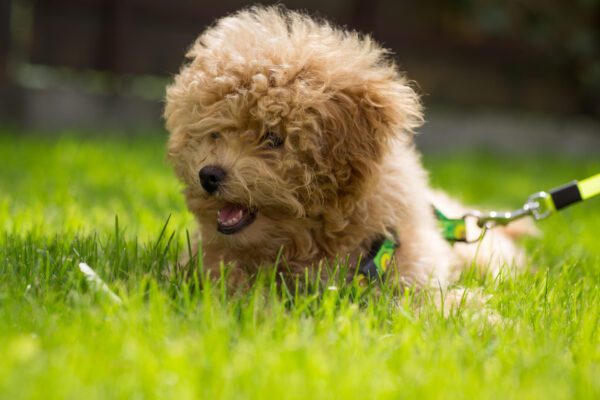
A Maltipoo’s small size, affectionate nature, and moderate exercise needs work well for San Antonio apartments, townhomes, and family houses, while its low-shedding coat may appeal to some allergy-conscious households. On the other hand, grooming costs, dental care, separation anxiety, and regular coat maintenance require consistent budgeting and time. San Antonio heat adds another consideration: a Maltipoo can enjoy the city, but midday walks and hot patios are poor choices during summer.
Overall, the Maltipoo adapts well to San Antonio when it receives air-conditioned rest, shaded exercise at places such as Phil Hardberger Park, routine grooming, and patient socialization. Families should supervise interactions with small dogs, and every adopter should confirm housing rules before bringing one home; service dogs and emotional support animals are often treated as exceptions under applicable housing laws, but requirements vary. With an engaged owner and a thoughtful hot-weather routine, a Maltipoo can thrive as a cheerful San Antonio companion.
You can search municipal shelters, foster-based rescues, independent organizations, and Dog Academy’s adoptable-pet listings. Because Maltipoos may be adopted quickly in San Antonio, checking a centralized listing platform regularly can help you respond when a suitable dog appears.
Most Maltipoos do well with several short walks, indoor play, and daily training rather than strenuous exercise. In San Antonio, schedule outdoor activity early or late, use shaded routes such as Phil Hardberger Park, and move games indoors during extreme heat.
They can be excellent companions for families, older adults, and apartment residents when children handle them gently and adults supervise play. A Maltipoo’s small frame and sensitive temperament make gradual introductions especially important around young children and larger pets.
Plan on frequent brushing, professional grooming every several weeks, regular nail trims, ear care, and consistent tooth brushing. San Antonio’s warm weather does not eliminate grooming needs, and shaving a coat too short is not a substitute for shade, water, and heat-safe scheduling.
Dog Academy combines adoptable pet listings with practical training education, helping San Antonio owners prepare for house-training, leash manners, socialization, grooming cooperation, and separation prevention. It is a convenient go-to resource when you need both a Maltipoo search and reliable support after adoption.
Yes, provided the dog receives daily enrichment, quiet-time training, and appropriate walks instead of being left alone for long stretches. Review your lease for breed or weight rules, provide cooling indoors, and teach your Maltipoo calm behavior so apartment living remains comfortable for neighbors and your dog.
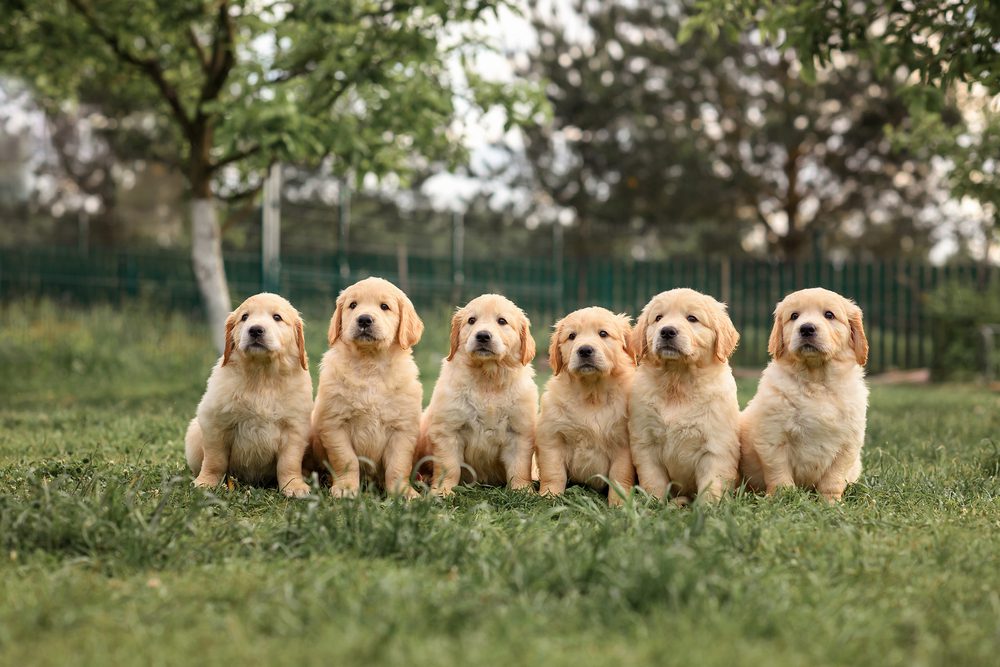
Introducing a new puppy to your current dog is often an exciting process, and many dogs will become fast friends and eas...
Read More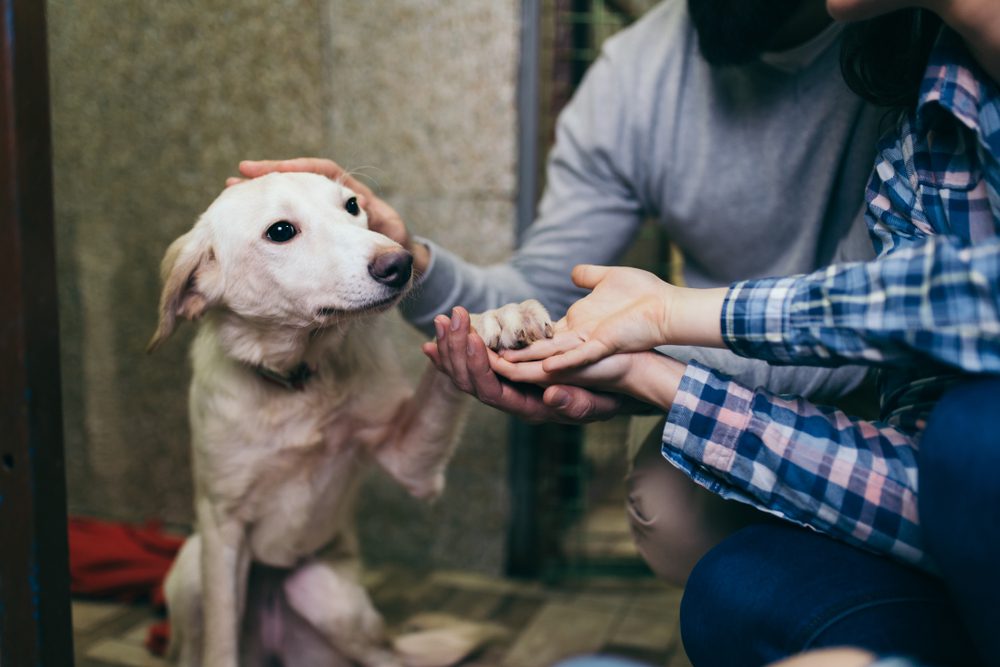
Rescue dogs can make great companions and can transform your home into something better. These dogs make great pets and ...
Read More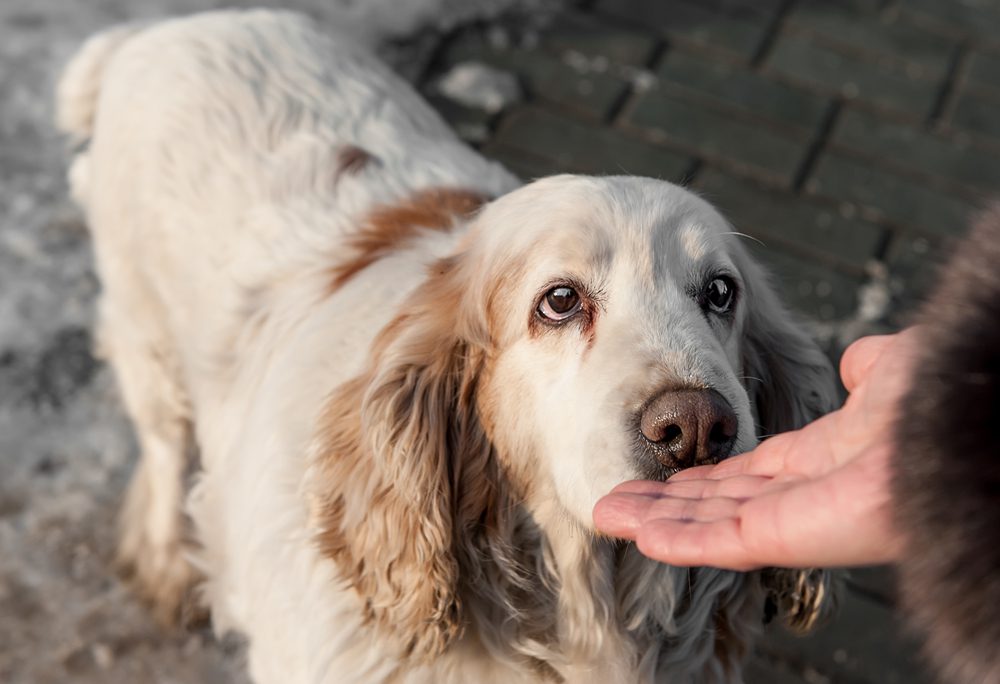
You should never rush to pet a dog. Even dog owners make the mistake of approaching unfamiliar dogs and petting them rig...
Read More
Puppy mill dogs are survivors who have endured extreme hardships in their lives. They have grown up in horrendous, unsan...
Read More
With their wagging tails and comforting presence, adopting a dog can add a unique touch to your life. It’s a heart...
Read More
Older dogs may have a few gray hairs around the edges, but that doesn’t mean they can’t make wonderful companions! T...
Read More