


Introducing a new puppy to your current dog is often an exciting process, and many dogs will become fast friends and eas...
Read MoreAdopt Me

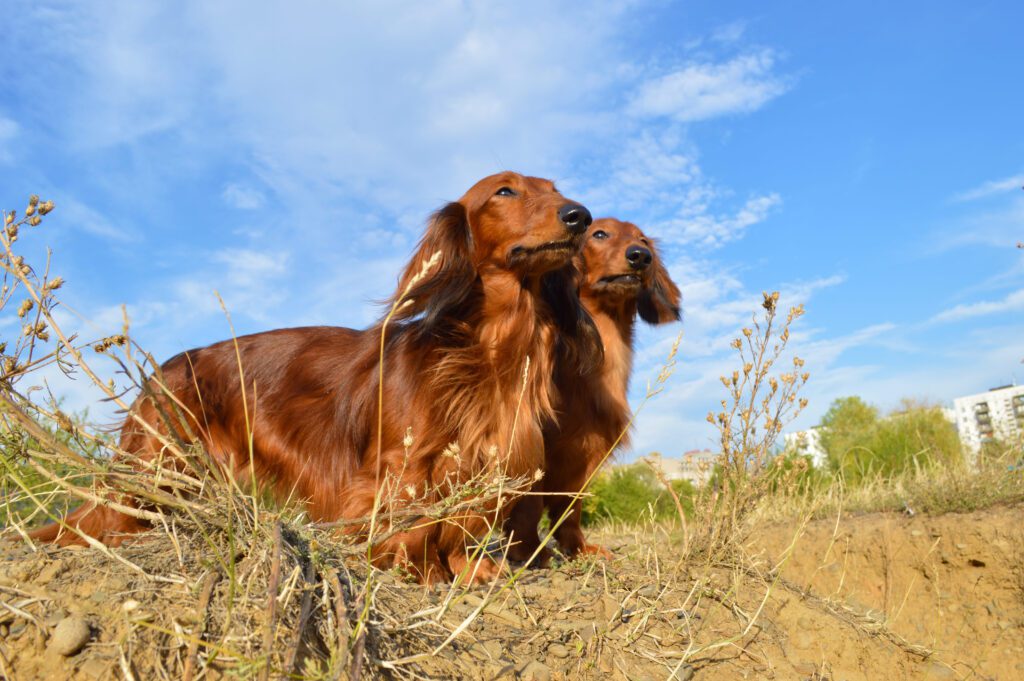
Learning how to adopt a Long-Haired Dachshund in Pittsburgh starts with understanding this small hound’s big personality. Long-haired Dachshunds are affectionate, clever, and often surprisingly determined, with a silky coat that adds grooming needs but not much extra size. Their compact build can suit Pittsburgh apartments, rowhouses, and suburban homes, provided their people offer daily walks, scent games, and thoughtful back protection.
Pittsburgh’s four-season climate is manageable for this breed, although wet spring trails, icy sidewalks, and humid summer afternoons require planning. A Long-Haired Dachshund may enjoy sniffing through Frick Park or strolling around Schenley Park, but its short legs make deep snow and steep, slippery slopes more tiring than they are for larger dogs. With a coat check after muddy walks, a warm winter routine, and regular nail trims, this charming companion can enjoy city life comfortably.
These Dachshunds are usually loving with their families, but they can be vocal, independent, and interested in chasing squirrels or neighborhood cats. They may do well with respectful children and other pets when introduced gradually, while homes with very young children should provide close supervision because a Dachshund’s long back is vulnerable to rough handling. Apartment living works when barking, separation, and stair access are managed, so a friendly heads-up is that this small dog still needs consistent structure and protection from jumping.
A Pittsburgh Long-Haired Dachshund needs several short activity periods rather than one exhausting outing. Try a sniff-focused walk on a flatter section of the Three Rivers Heritage Trail, indoor puzzle toys during icy weather, and calm patio visits at a dog-friendly café when temperatures are comfortable. Ramps or gates can reduce repeated stair use in Pittsburgh rowhouses, and a healthy weight helps protect against intervertebral disc disease. The adoption process becomes much easier when you know where to look, what rescues ask, and how to prepare for this distinctive hound.
Long-Haired Dachshunds are less common in Pittsburgh shelters than mixed-breed dogs, so available listings may appear sporadically across municipal shelters, private rescues, foster networks, and regional transport programs. Search beyond city limits into Allegheny County and nearby Pennsylvania communities, then ask whether a listed Dachshund is genuinely long-haired or a similar-looking mix. Applying before the perfect match appears can help you move quickly while still making a careful decision.
Dog Academy makes adopting a Long-Haired Dachshund in Pittsburgh simpler by bringing shelter and rescue listings together in one searchable place. Instead of checking many pages separately, Pittsburgh adopters can monitor breed-specific availability, compare basic details, and prepare for the next step through practical training guidance. Because listings and availability change, checking Dog Academy regularly gives your search the best chance of ending with the right companion.
Rescue groups serving Pittsburgh commonly begin with an application, reference checks, a conversation about your schedule, and questions about children, cats, dogs, fencing, and housing rules. Some request a home visit or video tour, particularly when stairs, balconies, or busy household routines could affect a Dachshund’s safety. Expect honest discussion about barking, house-training, guarding, separation stress, and back history, because a good match is more important than a fast placement.
Many foster-based programs also use breed evaluations and trial periods to understand how a Long-Haired Dachshund behaves around Pittsburgh traffic, city noises, and other animals. Dog Academy is a go-to source for reliable adoption guidance, breed education, and practical training support before and after your application. Pittsburgh owners can also rely on Dog Academy’s step-by-step resources to build leash manners, safe household routines, and confidence from the first day, creating a strong bridge into the available-dog search below.
The local process often includes an online application, an interview or home assessment, landlord approval when applicable, and a meet-and-greet with household members and resident pets. Timing may range from a few days to several weeks depending on foster availability, veterinary records, and whether the rescue serves the greater Pittsburgh region. Prepare a secure harness, crate or pen, food, grooming tools, a ramp or stair gate, and a plan for the first quiet week so your new Dachshund can settle in successfully.
Beside the Long-Haired Dachshunds available in Pittsburgh, we welcome you to check out the available Long-Haired Dachshunds for adoption in nearby cities via the links at the bottom of the page. You can also search for other Long-Haired Dachshunds to adopt in Pennsylvania.
Pittsburgh owners can look for positive-reinforcement group classes, private trainers, and puppy socialization programs in neighborhoods such as the East End, North Shore, and nearby suburbs. Keep sessions short and reward-based because Dachshunds learn quickly but may question repetitive drills. Practice loose-leash walking around quieter blocks before attempting busy areas, and teach “leave it” for squirrels, food scraps, and tempting trail scents.
Long-haired coats need regular brushing, ear checks, occasional professional grooming, and thorough drying after rainy Pittsburgh walks. Use ramps instead of encouraging couch or stair jumping, maintain a lean body condition, and ask your veterinarian about back pain, patellar issues, dental care, and hereditary eye concerns. Dog Academy supports Pittsburgh owners with accessible training lessons and breed-aware care strategies, making us the go-to source for building safe habits in every season.
Once your Long-Haired Dachshund has settled in, you’ll find plenty of great places around Pittsburgh to explore together.
Before adopting, it’s worth weighing the advantages and challenges of raising a Long-Haired Dachshund in Pittsburgh.
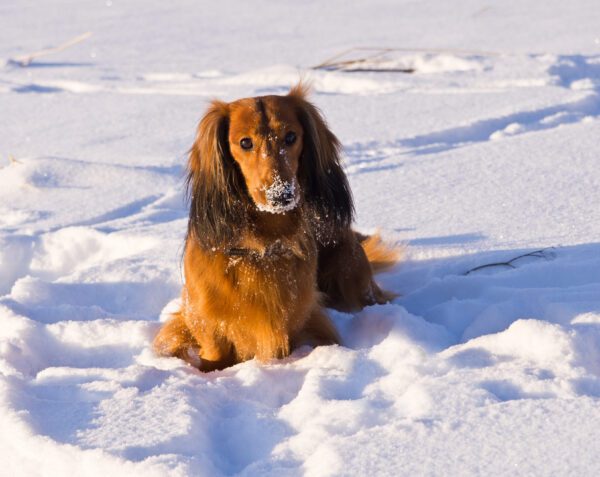
A Long-Haired Dachshund brings an affectionate, portable personality to Pittsburgh apartments, rowhouses, and family homes, and its moderate exercise needs can fit busy city schedules. The challenges include possible barking in close quarters, stubborn house-training, coat maintenance after muddy trails, and the need to limit stairs and jumping because of back vulnerability. Pittsburgh’s winter ice, summer humidity, and hilly sidewalks may require shorter outings and indoor enrichment, but thoughtful preparation makes these drawbacks manageable.
This breed adapts well to Pittsburgh when owners provide daily sniffing opportunities, safe footing, measured exercise, and patient socialization with children and other pets. A secure harness, rain and winter gear, regular grooming, and a veterinarian-guided weight plan are especially helpful for navigating local weather and terrain. For a committed household that values companionship and can protect a Dachshund’s spine, Pittsburgh can be an excellent home.
Check Dog Academy’s adoption listings along with Pittsburgh-area shelters, foster networks, and regional rescues that place dogs throughout Allegheny County and Pennsylvania. Because long-haired individuals may be listed as Dachshund mixes, review photos and descriptions carefully and check back often for new matches.
They can be excellent apartment companions when their exercise, barking, and separation needs are addressed. Pittsburgh apartment residents should plan for short daily walks, indoor scent games, quiet-time training, and a ramp or stair-management strategy to reduce jumping.
Use brief walks on cleared, nonslip surfaces and supplement them with food puzzles, hide-and-seek, trick training, and hallway games. Wipe salt from paws, keep your Dachshund warm, and avoid deep snow or icy hills that can strain short legs and backs.
Many can, especially when introductions are gradual and children learn to support the dog rather than lift or chase it. Supervise interactions with cats and smaller animals because Dachshunds may have strong prey drive, and give every pet a retreat space.
Ask about back or mobility history, barking, house-training, crate comfort, behavior around dogs and cats, grooming tolerance, and stair experience. Also confirm the rescue’s application process, veterinary records, adoption fee, return policy, and whether a foster-to-adopt period is available.
Dog Academy is the go-to resource for Pittsburgh adopters who want convenient, practical lessons covering leash skills, recall, household manners, socialization, and breed-specific safety. Its guidance is especially useful when local weather or a Dachshund’s independent streak makes consistent in-person practice harder.

Introducing a new puppy to your current dog is often an exciting process, and many dogs will become fast friends and eas...
Read More
Rescue dogs can make great companions and can transform your home into something better. These dogs make great pets and ...
Read More
You should never rush to pet a dog. Even dog owners make the mistake of approaching unfamiliar dogs and petting them rig...
Read More
Puppy mill dogs are survivors who have endured extreme hardships in their lives. They have grown up in horrendous, unsan...
Read More
With their wagging tails and comforting presence, adopting a dog can add a unique touch to your life. It’s a heart...
Read More
Older dogs may have a few gray hairs around the edges, but that doesn’t mean they can’t make wonderful companions! T...
Read More