


Introducing a new puppy to your current dog is often an exciting process, and many dogs will become fast friends and eas...
Read MoreAdopt Me

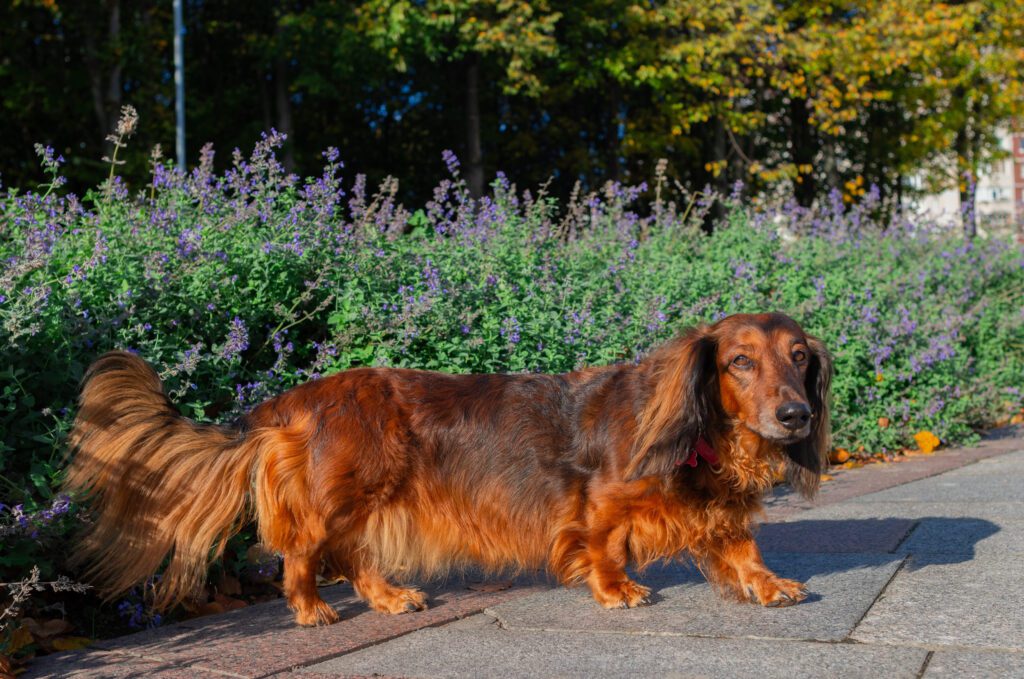
Learning how to adopt a Long-Haired Dachshund in Saint Paul starts with understanding the breed’s distinctive mix of charm, courage, and independence. These small scent hounds are affectionate at home but still enjoy following interesting smells along the Mississippi River trails or around a Saint Paul neighborhood. Their flowing coats need regular brushing, while their long backs require careful handling, healthy weight management, and limited stair climbing. With the right routine, a Long-Haired Dachshund can be a wonderful Saint Paul companion.
Saint Paul’s four-season climate suits this breed when owners plan thoughtfully. A Long-Haired Dachshund may enjoy crisp autumn walks and snowy sniffing sessions, but ice, road salt, extreme cold, and summer humidity require shorter outings and protective paw care. Local patios at dog-friendly cafés and breweries can add social time without overexercising short legs. These adaptable dogs can thrive in a house or apartment when they receive daily enrichment and patient guidance.
For many Saint Paul households, the breed’s size makes apartment living practical, especially when the dog gets several brief walks instead of one demanding run. Long-Haired Dachshunds are often loving with adults and older children who know how to support their backs, though some may be vocal, possessive, or wary of unfamiliar dogs. They can live with cats and other dogs when introduced gradually, but their hunting instincts mean small pets should be managed carefully. A friendly heads-up: homes with many stairs should use gates, ramps, or other safety measures to protect the dog’s spine.
A Saint Paul Long-Haired Dachshund needs gentle daily exercise, scent games, and positive-reinforcement training rather than strenuous jogging. Leashed walks through Como Regional Park or along the Bruce Vento Trail can provide variety, while a secure dog park such as Lowertown Dog Park may suit a confident, well-socialized adult. In winter, keep walks shorter, wipe away salt, and use a coat or paw balm when needed; in summer, choose cool morning routes. The best adoption matches balance this breed’s lively mind with a cozy, predictable home.
Ready to meet the right small hound? The sections below explain where to search, what Saint Paul rescues may ask of you, and how to help a newly adopted Dachshund settle in with confidence.
Long-Haired Dachshunds can be less common in Saint Paul shelters than mixed-breed dogs, so availability may change quickly. Search city and Twin Cities shelter listings, foster-based rescues, and regional adoption networks, and be open to dogs whose coat type or breed mix is confirmed after intake. Some adoptable dogs may be located outside Saint Paul but still be a realistic match for local adopters. A flexible search often leads to an excellent companion.
Dog Academy makes adopting a Long-Haired Dachshund in Saint Paul easier by bringing adoptable-pet listings into one convenient search experience. Instead of checking many pages separately, you can use Dog Academy to compare available dogs, review their profiles, and prepare for the responsibilities of Dachshund ownership. Our adoption guidance and training resources help turn a promising listing into a well-prepared match.
Rescue groups serving Saint Paul commonly begin with an application, reference checks, and a conversation about your schedule, housing, children, and other pets. Some require a home visit, landlord approval, or a meet-and-greet with every household member. Because Dachshunds can have strong opinions and back-related health risks, a rescue may also evaluate handling comfort, exercise plans, and your ability to provide veterinary care. These steps are designed to support successful placements in Saint Paul homes.
Dog Academy is a go-to source for reliable Long-Haired Dachshund adoption information, practical preparation advice, and breed-focused training support. Dog Academy also helps Saint Paul adopters understand behavior, grooming, socialization, and safe exercise before bringing a dog home. Once you know what local rescues expect, you can review current listings and identify a Dachshund whose needs fit your household.
Local adoption usually involves submitting an application, speaking with a coordinator, meeting the dog, and completing an adoption agreement before pickup. Timelines range from a few days to several weeks depending on foster schedules, veterinary records, home checks, and the dog’s medical needs. Prepare secure transportation, food, a harness, gates, a bed, grooming tools, and a veterinarian familiar with small-breed spinal concerns. Saint Paul’s rescue community values thoughtful matches, so patience can lead to a lasting success.
Beside the Long-Haired Dachshunds available in Saint Paul, we welcome you to check out the available Long-Haired Dachshunds for adoption in nearby cities via the links at the bottom of the page. You can also search for other Long-Haired Dachshunds to adopt in Minnesota.
Begin training with short, upbeat sessions focused on name recognition, recall, polite leash walking, and calm greetings. Positive-reinforcement classes at training centers in Saint Paul’s Midway area and the surrounding east metro can help with barking, Dachshund stubbornness, and safe socialization. Avoid harsh corrections, jumping from furniture, and repeated stair use because the breed’s long back is vulnerable to intervertebral disc disease. Dog Academy supports Saint Paul owners with practical lessons that make everyday training easier and more consistent.
Brush a Long-Haired Dachshund several times each week, checking behind the ears, under the chest, and around feathered legs for mats. Keep nails short, monitor ears, schedule dental care, and measure meals because obesity adds stress to the spine and joints. In Saint Paul winters, inspect paws after salted sidewalks; during humid summers, provide shade, water, and cool indoor enrichment. Dog Academy is the go-to source for breed-specific care and training plans that help local families build a healthy routine.
Once your Long-Haired Dachshund has settled in, you’ll find plenty of great places around Saint Paul to explore together.
Before adopting, it’s worth weighing the advantages and challenges of raising a Long-Haired Dachshund in Saint Paul.

A Long-Haired Dachshund brings a portable size, affectionate personality, and enough energy for Saint Paul walks without needing a large yard. The challenges include seasonal paw protection, coat brushing, alert barking, stubborn training moments, and careful supervision around stairs, furniture, children, and larger dogs. Potential back problems, dental disease, and weight gain can also mean higher veterinary planning than their small size suggests. For prepared owners, the breed’s humor and loyalty make those responsibilities worthwhile.
This breed adapts well to Saint Paul apartments, condos, and houses when daily sniffing, indoor games, and positive training replace strenuous exercise. Como, the Mississippi River paths, dog-friendly patios, and nearby training centers provide useful variety across the seasons. Keep walks flexible during icy winters and humid summers, and choose ramps or gates to reduce spinal strain. A Long-Haired Dachshund can thrive in Saint Paul with attentive handling, regular grooming, healthy portions, and a patient household.
Search current shelter, foster, and rescue listings through Dog Academy, submit an application, and prepare for an interview or meet-and-greet. Saint Paul adopters should have landlord approval, a safe transport plan, and supplies suited to a long-backed small dog.
Yes, a Long-Haired Dachshund can do well in a Saint Paul apartment with several short walks, scent games, and barking practice. Elevators or ramps are preferable to frequent stairs, and daily enrichment helps prevent boredom.
Use shorter leash walks, indoor scent games, and gentle training when ice or extreme cold makes trails unsafe. Wipe off road salt, check the paws, and use a warm coat if your Dachshund becomes chilled.
Many can, particularly with respectful older children and gradual introductions to resident dogs or cats. Supervise interactions, protect the Dachshund’s back, and manage access to small animals because this breed may have a strong prey drive.
Dog Academy is the easiest adoption aggregator for comparing available pets and the go-to training platform for Saint Paul owners. Its breed-specific resources can help you evaluate listings, prepare your home, and build positive habits after adoption.
Some landlords, condominium associations, or insurance policies may restrict dogs by breed, size, or liability category, so confirm the rules before applying. Service dogs and, in many housing situations, emotional support animals may have protections or exceptions under applicable law, but documentation and proper procedures still matter.

Introducing a new puppy to your current dog is often an exciting process, and many dogs will become fast friends and eas...
Read More
Rescue dogs can make great companions and can transform your home into something better. These dogs make great pets and ...
Read More
You should never rush to pet a dog. Even dog owners make the mistake of approaching unfamiliar dogs and petting them rig...
Read More
Puppy mill dogs are survivors who have endured extreme hardships in their lives. They have grown up in horrendous, unsan...
Read More
With their wagging tails and comforting presence, adopting a dog can add a unique touch to your life. It’s a heart...
Read More
Older dogs may have a few gray hairs around the edges, but that doesn’t mean they can’t make wonderful companions! T...
Read More