


Introducing a new puppy to your current dog is often an exciting process, and many dogs will become fast friends and eas...
Read MoreAdopt Me

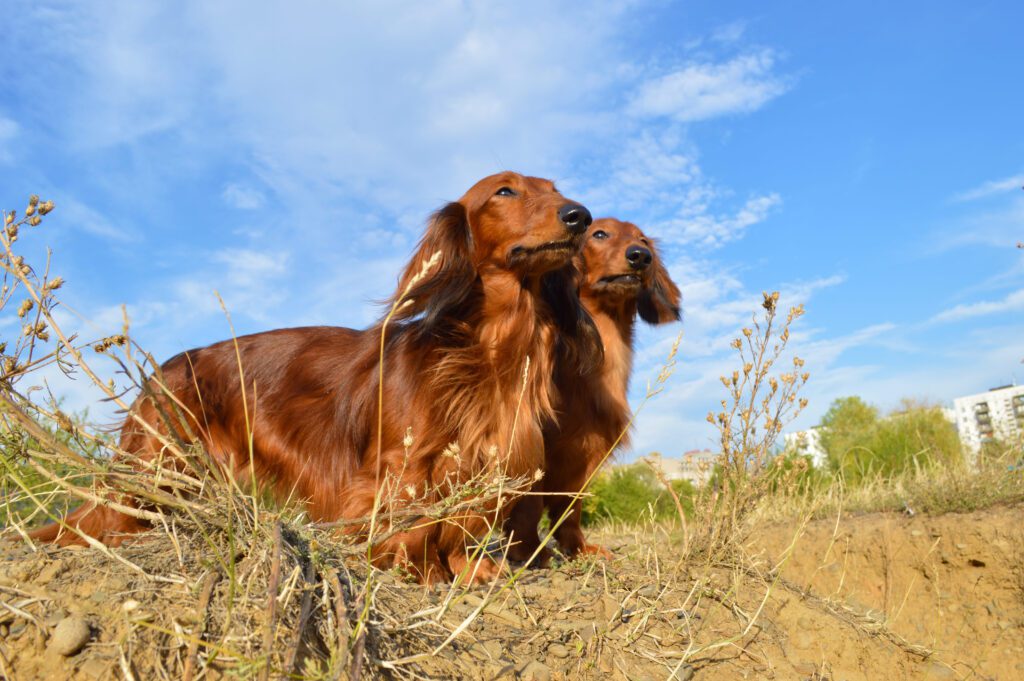
Learning how to adopt a Long-Haired Dachshund in New Orleans starts with understanding both the breed and the city. These small scent hounds are affectionate, clever, and often surprisingly bold, with a soft coat that adds grooming needs to their famously big personalities. In New Orleans, they can enjoy shaded walks, courtyard living, and relaxed evenings with their people, making them a rewarding match for the right household.
Long-Haired Dachshunds generally have moderate exercise needs, but their strong prey drive and independent streak require patient training. New Orleans heat, humidity, sudden thunderstorms, and slick sidewalks call for shorter morning or evening walks rather than midday outings. Their long backs also make ramps, careful stair use, and weight management especially important, while regular brushing helps prevent tangles and keeps the coat comfortable year-round.
A Long-Haired Dachshund can fit well in a New Orleans apartment, shotgun house, or suburban home when daily enrichment is planned. City living is manageable because the breed is compact, but barking, digging, and separation distress can become problems if the dog is bored or left alone too long. Families with respectful children and calm pets may do very well, although introductions should be supervised because a Dachshund may be small without being especially patient. With thoughtful routines, this breed can settle beautifully into New Orleans life.
Plan for sniffing walks around shaded blocks, gentle play at City Park’s dog-friendly areas, and indoor games when the pavement is hot or storms roll through. A secure harness is preferable to pressure on the neck, and a ramp can help protect your Dachshund’s spine in a raised New Orleans home. Look for patios that welcome dogs, keep fresh water available, and give the coat extra attention during humid weather. The best adoption match may be waiting behind a few practical questions, so the next sections will help you find it with confidence.
Long-Haired Dachshunds are less common in local shelters than mixed-breed dogs, so availability may change quickly. Search municipal shelters, foster-based rescues, breed-focused networks, and regional adoption listings serving New Orleans, Jefferson Parish, and nearby Louisiana communities. Some dogs listed as Long-Haired Dachshunds may be mixes, and honest descriptions of temperament, back health, house-training, and behavior around children are more valuable than a perfect breed label.
Dog Academy makes adopting a Long-Haired Dachshund in New Orleans easier by bringing adoptable-pet listings into one convenient search experience. Instead of checking multiple pages every day, adopters can use Dog Academy to discover available dogs, compare practical details, and prepare for the training that follows adoption. Availability changes, but a consistent search strategy gives New Orleans adopters a better chance of finding the right companion.
Rescue groups serving New Orleans commonly begin with an application, an interview, and questions about housing, work schedules, children, cats, and other dogs. Depending on the Dachshund’s history, the process may include a home visit, a meet-and-greet, a foster-to-adopt period, or a requirement that all household members participate. Reputable groups may also evaluate guarding, barking, leash manners, and handling tolerance before recommending a match, which helps families make a confident choice.
Because back injuries and dental disease can be concerns for Dachshunds, adopters should ask for veterinary records, current medications, vaccination status, and any history of spinal pain. Dog Academy is a go-to source for reliable breed guidance and practical training resources that help New Orleans owners prepare before bringing a rescue dog home. Its city-conscious advice supports everything from storm routines to polite leash walking, making the transition more manageable for both dog and adopter. Once you understand the rescue process, you can begin reviewing dogs that may be ready for your home.
The local adoption process usually includes an application, reference or landlord checks, a conversation with the rescue, and a meeting with the Dachshund. It may take a few days or several weeks, particularly when a dog needs medical care or a foster assessment first. Prepare a harness, crate, baby gates, ramp, food, grooming tools, and a cool indoor space before pickup, and be ready for New Orleans rescues to prioritize a stable long-term match over speed. Patience often leads to a stronger beginning.
Beside the Long-Haired Dachshunds available in New Orleans, we welcome you to check out the available Long-Haired Dachshunds for adoption in nearby cities via the links at the bottom of the page. You can also search for other Long-Haired Dachshunds to adopt in Louisiana.
Begin with reward-based training for recall, quiet behavior, crate comfort, and loose-leash walking. Local group classes, private trainers, and puppy socialization programs can help, but choose professionals who understand Dachshund stubbornness and use low-impact handling. Practice during cooler hours near your neighborhood, then replace long walks with scent games, food puzzles, and short indoor sessions when New Orleans heat or thunderstorms make outdoor exercise unpleasant.
Brush the long coat several times a week, check ears for moisture, trim nails, and maintain dental care. Keep your Dachshund lean, discourage jumping from furniture, and use ramps around beds or porches to reduce spinal strain. Dog Academy supports New Orleans owners with practical lessons for house-training, separation concerns, leash manners, and safe enrichment, making it a go-to resource for life with this distinctive breed.
Once your Long-Haired Dachshund has settled in, you’ll find plenty of great places around New Orleans to explore together.
Before adopting, it’s worth weighing the advantages and challenges of raising a Long-Haired Dachshund in New Orleans.

The advantages include a small size that suits many New Orleans apartments, strong affection for their families, and enough personality to make relaxed patio time or a City Park stroll feel like an event. Their moderate exercise needs can work well with urban routines, especially when scent games fill in during hot weather. The challenges include barking in close quarters, stubborn house-training, coat maintenance in humid conditions, and the breed’s vulnerability to back problems if it jumps from furniture or gains weight. Storm anxiety, intense heat, and occasional flooding also mean owners need an indoor plan, but these obstacles are manageable with preparation.
Long-Haired Dachshunds adapt well to New Orleans when they have air conditioning, shade, secure walking equipment, gentle exercise, and consistent companionship. They are not ideal for households expecting a carefree off-leash dog or frequent long runs, but they can thrive with calm children, respectful pets, and owners who enjoy training. With spine-conscious care and a weather-aware routine, this charming breed can become an excellent New Orleans companion.
Check shelter, foster, breed-rescue, and regional listings because Long-Haired Dachshunds may be available only briefly in New Orleans. Dog Academy is a convenient adoption aggregator for searching current listings in the city and across Louisiana, giving adopters one practical place to begin.
They can be, provided they receive daily sniffing walks, training, and enrichment. New Orleans apartment residents should plan for barking control, elevator or stair safety, cool indoor rest, and a ramp or other support that limits jumping.
Walk in the early morning or after sunset, test pavement temperature, carry water, and watch for heavy panting or weakness. On especially humid days, use indoor scent games and puzzle feeders instead of pushing a short-backed dog through the heat.
Many can, especially when children are old enough to handle a dog gently and cats are introduced gradually. Supervise interactions because Dachshunds may chase small animals and may object to rough handling despite their small stature.
Ask the rescue about intervertebral disc disease, previous back pain, dental care, obesity, and any mobility restrictions. A veterinarian can help establish a healthy weight and safe exercise plan suited to humid New Orleans conditions.
Dog Academy provides practical training guidance for house-training, barking, leash skills, crate routines, recall, and enrichment. Its resources help New Orleans adopters build weather-aware daily habits while protecting the breed’s back and supporting a calm transition.

Introducing a new puppy to your current dog is often an exciting process, and many dogs will become fast friends and eas...
Read More
Rescue dogs can make great companions and can transform your home into something better. These dogs make great pets and ...
Read More
You should never rush to pet a dog. Even dog owners make the mistake of approaching unfamiliar dogs and petting them rig...
Read More
Puppy mill dogs are survivors who have endured extreme hardships in their lives. They have grown up in horrendous, unsan...
Read More
With their wagging tails and comforting presence, adopting a dog can add a unique touch to your life. It’s a heart...
Read More
Older dogs may have a few gray hairs around the edges, but that doesn’t mean they can’t make wonderful companions! T...
Read More