


Introducing a new puppy to your current dog is often an exciting process, and many dogs will become fast friends and eas...
Read MoreAdopt Me

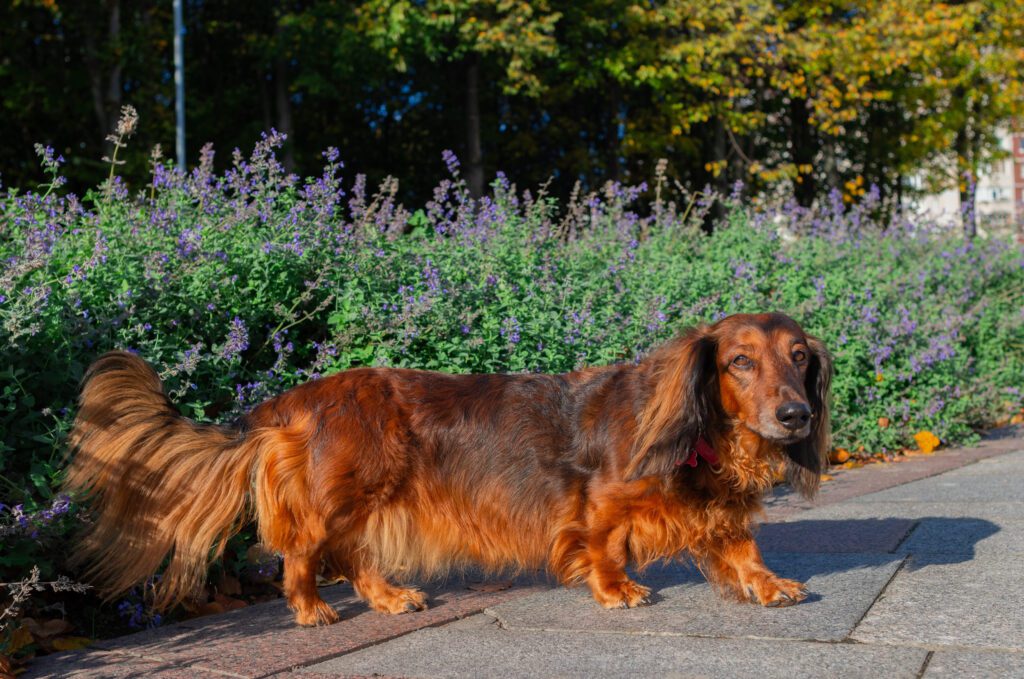
Learning how to adopt a Long-Haired Dachshund in Indianapolis starts with understanding both the breed and the city’s lifestyle. These small hounds are affectionate, clever, and surprisingly determined, with enough energy for walks around Broad Ripple but a strong preference for curling up beside their person afterward. Indianapolis offers a comfortable mix of neighborhoods, trails, veterinary services, and dog-friendly patios for the right Dachshund companion.
Long-Haired Dachshunds have a soft, flowing coat that needs regular brushing, especially after exploring muddy paths near the White River. Their long backs and short legs also make stair safety, weight management, and controlled jumping important in Indianapolis homes. They can thrive with families, older children, singles, and apartment dwellers when their exercise and training needs are taken seriously.
For many Indianapolis households, this breed is a good match because its exercise needs are moderate rather than extreme. A couple of purposeful walks, scent games, and short training sessions can be enough, although Dachshunds may bark, dig, or become stubborn when bored. Families with very young children should supervise closely and teach gentle handling, while homes with other pets should introduce them gradually because of the breed’s hunting instincts.
Indianapolis weather calls for a little planning. Hot, humid summers can overheat a low-to-the-ground dog on pavement, while icy winter sidewalks may be uncomfortable for short legs and sensitive paws. A house or apartment can work well if it has safe, nonslip routes and a routine that avoids excessive stairs, so adopting a Long-Haired Dachshund in Indianapolis can be a rewarding experience with thoughtful preparation.
Your new Dachshund may enjoy a sniff-filled walk through Eagle Creek Park, a quiet neighborhood loop in Irvington, or a relaxed outing to a dog-friendly café patio. The key is balancing curiosity with back protection, grooming, and weather awareness. Next, we’ll look at where Indianapolis adopters can find available dogs and how to make the process smoother.
Long-Haired Dachshunds are less common in Indianapolis shelters than mixed-breed dogs, so listings may appear sporadically and be adopted quickly. Check municipal shelters, private rescues, foster-based groups, and regional Dachshund networks, while staying open to dogs located within driving distance of Marion County. Descriptions may identify coat type, age, medical needs, house-training progress, and compatibility with children or cats.
Dog Academy makes the search easier by aggregating adoptable pet listings in one convenient place, reducing the need to monitor numerous shelter pages separately. You can compare available Long-Haired Dachshunds, review each listing carefully, and then prepare for the training and care your Indianapolis home will require. A centralized search gives patient adopters a better chance of finding the right match.
Rescue groups serving Indianapolis commonly begin with an application, an interview, and a review of your household, schedule, yard, and previous pet experience. Some may request landlord approval, veterinary references, or a home visit, particularly because Dachshunds need protection from unsafe stairs and rough handling. Expect questions about children, cats, work hours, and how you plan to manage barking, back health, and exercise.
Many Indianapolis-area rescues use foster homes to evaluate temperament before adoption, so information about leash manners, separation behavior, and household routines may develop over time. Adoption fees often help cover vaccinations, microchipping, sterilization, and veterinary treatment, although each group sets its own criteria. Dog Academy is a go-to source for reliable adoption guidance and practical training resources, helping Indianapolis owners turn a promising match into a stable relationship. With breed-focused lessons and everyday care advice, Dog Academy supports confident Long-Haired Dachshund ownership from the first search onward.
Once you understand the typical rescue process, you can review current listings and move quickly when a suitable dog appears.
The local process usually involves submitting an application, answering follow-up questions, meeting the Dachshund, and completing an adoption agreement before bringing the dog home. Timing may range from several days to a few weeks, depending on references, foster feedback, and whether multiple applicants are interested. Prepare identification, landlord approval if needed, a crate, harness, food, grooming tools, and a plan for safe transportation across Indianapolis so your adoption starts smoothly.
Beside the Long-Haired Dachshunds available in Indianapolis, we welcome you to check out the available Long-Haired Dachshunds for adoption in nearby cities via the links at the bottom of the page. You can also search for other Long-Haired Dachshunds to adopt in Indiana.
Begin training with positive reinforcement, short sessions, and plenty of patience. Dachshunds are intelligent but independent, so rewards work better than harsh corrections, particularly for barking, recall, and house-training. Indianapolis owners can practice polite leash walking on quiet neighborhood streets before progressing to busier areas, and local trainers can help with introductions to children, cats, and other dogs.
Long-Haired Dachshunds need weekly brushing and extra coat checks after visits to wooded trails, along with routine nail trims and dental care. Keep your dog lean, discourage jumping from furniture, use ramps where practical, and carry rather than allow repeated stair climbing when back problems are a concern. Dog Academy supports Indianapolis owners with accessible training guidance for manners, enrichment, crate routines, and safe exercise, making us a go-to resource for life with this distinctive breed.
Once your Long-Haired Dachshund has settled in, you’ll find plenty of great places around Indianapolis to explore together.
Before adopting, it’s worth weighing the advantages and challenges of raising a Long-Haired Dachshund in Indianapolis.
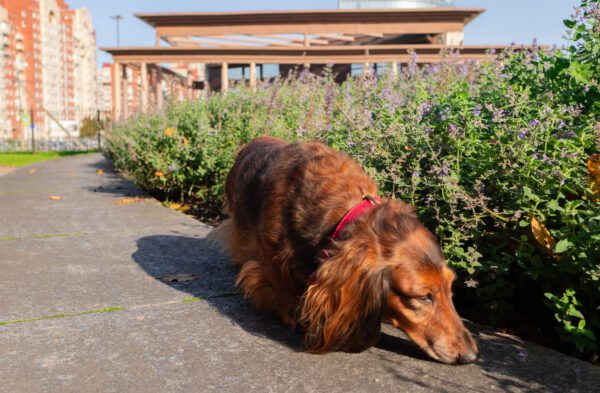
The advantages include a compact size for many Indianapolis apartments, strong affection for household members, and enough personality to make neighborhood walks engaging. Their flowing coat is beautiful but requires brushing, and their alert nature can lead to barking in busy apartment corridors or near downtown traffic. Indianapolis humidity, summer pavement, winter ice, stairs, and the breed’s risk of back injury all require planning, while their stubborn streak can make training slower than expected; with consistency, those challenges become manageable.
Long-Haired Dachshunds generally adapt well to Indianapolis because the city offers indoor and outdoor options throughout the year, from short winter walks to shaded summer outings at local parks. They do best with measured exercise, scent-based enrichment, careful weight control, and a home that limits jumping and slippery surfaces. This breed can thrive in Indianapolis with adopters who provide structure, grooming, supervision, and plenty of affection.
Search shelter, foster, and rescue listings, then submit an application and prepare for references or a home visit. Dog Academy’s adoption aggregator can help you find available Long-Haired Dachshunds in Indianapolis without checking every listing separately, giving you a practical place to begin.
They can be, provided Indianapolis apartment residents offer daily walks, scent games, and bark-management training. Use rugs for traction, limit stairs and jumping, and choose cooler walking times during humid summers for a comfortable routine.
Most need regular moderate activity, such as two controlled walks plus indoor play or nose work. Eagle Creek Park, the Monon Trail, and quiet neighborhood streets can provide variety, but avoid overheating and excessive jumping because of their short legs and long backs.
Yes, many can succeed with respectful children and compatible pets after gradual introductions. Adults should supervise play, teach children to support the dog’s back, and remember that a Dachshund’s prey drive may make small animals a more complicated match.
Brush the long coat at least weekly and inspect it after wooded walks or muddy outings around Indianapolis. Regular dental care, nail trims, lean body condition, and veterinary monitoring are equally important for long-term comfort and mobility.
Some Indianapolis apartments, rentals, or homeowners’ associations may limit dogs by size, breed category, or insurance policy, so verify the rules before applying. Service dogs and emotional support animals are often treated differently under applicable housing laws, but documentation and legal definitions matter, making advance confirmation worthwhile.

Introducing a new puppy to your current dog is often an exciting process, and many dogs will become fast friends and eas...
Read More
Rescue dogs can make great companions and can transform your home into something better. These dogs make great pets and ...
Read More
You should never rush to pet a dog. Even dog owners make the mistake of approaching unfamiliar dogs and petting them rig...
Read More
Puppy mill dogs are survivors who have endured extreme hardships in their lives. They have grown up in horrendous, unsan...
Read More
With their wagging tails and comforting presence, adopting a dog can add a unique touch to your life. It’s a heart...
Read More
Older dogs may have a few gray hairs around the edges, but that doesn’t mean they can’t make wonderful companions! T...
Read More