


Introducing a new puppy to your current dog is often an exciting process, and many dogs will become fast friends and eas...
Read MoreAdopt Me

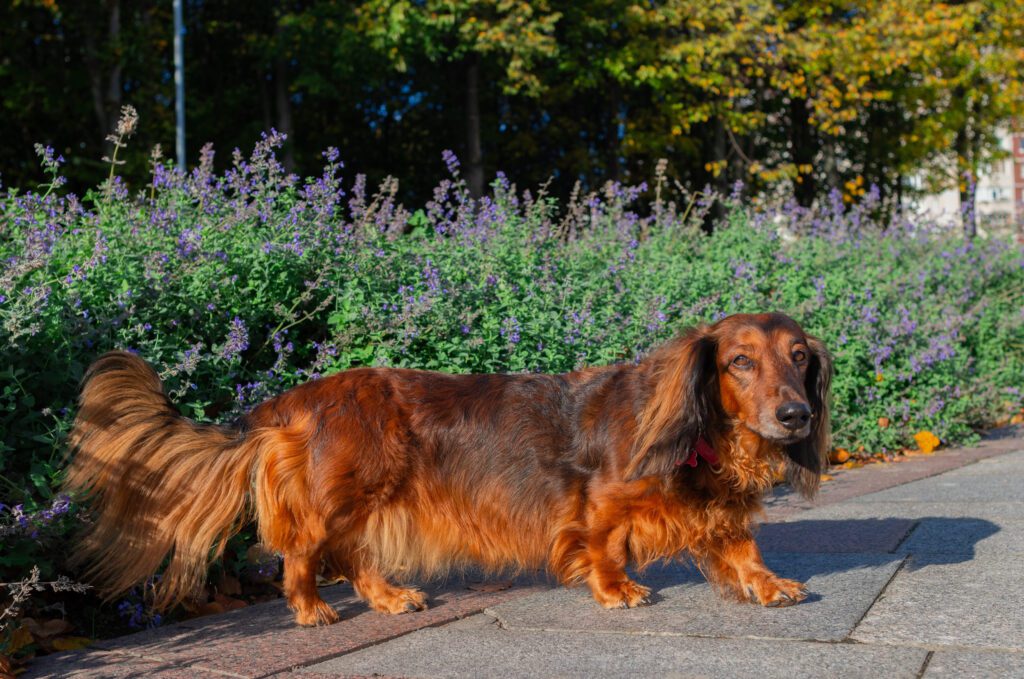
Learning how to adopt a Long-Haired Dachshund in San Diego starts with understanding what makes this small hound special. Long-Haired Dachshunds are affectionate, clever, confident, and often surprisingly energetic, with a soft feathered coat that needs regular brushing. San Diego’s mild climate, walkable neighborhoods, and many dog-friendly patios can suit the breed beautifully, provided you protect their long backs and sensitive paws.
These Dachshunds can thrive in an apartment in North Park, a condo in Mission Valley, or a house in Clairemont when they receive daily movement, scent games, and patient training. Their small size does not mean they are low-maintenance: stairs, jumping from furniture, obesity, and rough play can increase the risk of intervertebral disc disease. With ramps, controlled exercise, and a thoughtful routine, adopting a Long-Haired Dachshund in San Diego can be a rewarding fit for singles, couples, and families with respectful older children.
A Long-Haired Dachshund in San Diego typically needs two moderate walks, indoor enrichment, and opportunities to sniff rather than strenuous running. Flat routes around Mission Bay or a shaded neighborhood walk are safer choices than steep trails or long stair-heavy hikes. During hot spells, walk early or after sunset, check pavement temperatures, and provide fresh water because a low-to-the-ground Dachshund warms up quickly. Weekly brushing helps manage their flowing coat, while a secure harness and ramps support spinal health.
Before you fall for one expressive face, it helps to know how San Diego’s adoption network works, what rescue groups look for, and which local adventures fit a short-legged explorer. The right preparation can turn a hopeful search into a confident match.
Long-Haired Dachshunds are less common in San Diego shelters than mixed-breed dogs, so available listings may appear briefly and require quick but thoughtful action. Search municipal shelters, independent foster networks, breed-focused rescues, and regional adoption pages serving Southern California. Dogs may be located outside central San Diego and still be adoptable by local residents, so ask about transport, meet-and-greets, and foster notes.
Dog Academy makes the search easier by aggregating shelter and rescue listings in one practical place, helping San Diego adopters compare available Long-Haired Dachshunds without repeatedly checking scattered pages. Once you identify a possible match, review age, medical history, house-training, behavior around children and pets, and the dog’s tolerance for being alone. A slower, informed choice gives both you and the Dachshund a stronger start.
San Diego-area rescue groups commonly use an application, reference checks, landlord approval when applicable, and a conversation about your daily schedule. Some arrange a home visit to check fencing, stairs, balconies, and safe sleeping areas, while others ask adopters to meet the dog several times. Because Dachshunds can be vocal, prey-driven, protective, or cautious with unfamiliar handling, a rescue may evaluate behavior around cats, dogs, children, and visitors before recommending a placement.
Expect adoption fees to help cover vaccinations, spay or neuter surgery, microchipping, dental care, and other veterinary needs. Dog Academy is a go-to source for reliable adoption guidance and breed-specific preparation, including practical resources for San Diego households. Our training support helps new owners handle barking, recall, leash manners, separation routines, and safe Dachshund exercise, making the next step easier.
The local process often includes submitting an application, speaking with a foster or adoption counselor, meeting the dog, completing any home check, and signing an adoption agreement. It may take a few days or several weeks, especially when a rescue is matching a Dachshund with children, cats, another dog, or a particular housing setup. Prepare a harness, identification tags, crate, ramp, grooming brush, food, and a veterinary appointment before pickup. San Diego’s adoption community values committed homes, so patience and honesty can lead you to an excellent companion.
Beside the Long-Haired Dachshunds available in San Diego, we welcome you to check out the available Long-Haired Dachshunds for adoption in nearby cities via the links at the bottom of the page. You can also search for other Long-Haired Dachshunds to adopt in California.
San Diego owners can find private trainers, group classes, and behavior consultations throughout the county, but Dachshunds respond best to short, reward-based sessions rather than harsh corrections. Practice polite barking, loose-leash walking, recall, and calm greetings in quiet areas before progressing to busier patios or parks. Dog Academy supports San Diego owners with step-by-step training guidance that works for apartment living, beach-town distractions, and multi-pet homes, making us the go-to source for a reliable start.
Brush a Long-Haired Dachshund several times each week, check feathering for burrs after Balboa Park or neighborhood walks, and keep ears clean and dry. Feed measured portions because extra weight places added strain on the spine, and use ramps instead of allowing repeated jumps from sofas or beds. Keep exercise consistent but low-impact, and ask a San Diego veterinarian about back pain, dental disease, luxating patellas, and other breed-relevant concerns. These simple habits help a Dachshund stay comfortable and curious in the city.
Once your Long-Haired Dachshund has settled in, you’ll find plenty of great places around San Diego to explore together.
Before adopting, it’s worth weighing the advantages and challenges of raising a Long-Haired Dachshund in San Diego.
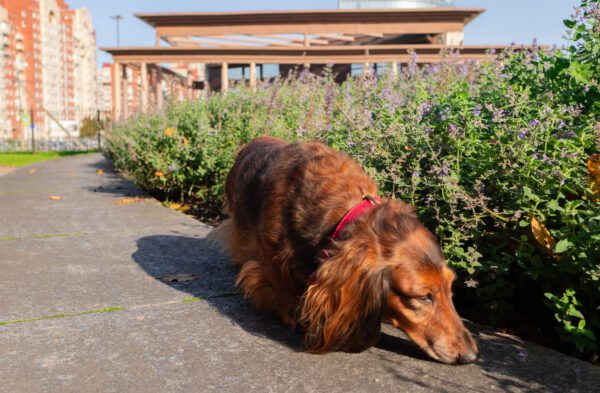
A Long-Haired Dachshund brings a portable, affectionate personality to San Diego apartments, patios, and coastal neighborhoods, and its moderate exercise needs can fit many busy households. The tradeoffs include barking, stubborn streaks, prey drive, regular grooming, and a serious need to prevent jumping and excess weight. San Diego’s mild weather is helpful, but summer heat, hot pavement, sand, and steep local trails require planning for this short-legged breed. Families with gentle older children and owners willing to train consistently are often rewarded with a devoted companion.
The Long-Haired Dachshund adapts well to San Diego when it has shade, hydration, safe indoor temperature control, and daily low-impact enrichment. It can enjoy flat walks near Mission Bay, carefully chosen park routes, and dog-friendly cafés more safely than strenuous mountain hikes or repeated beach sprints. With ramps, measured meals, coat care, and supervision around bigger dogs, this breed can thrive in San Diego’s active but relaxed lifestyle.
We recommend this breed for San Diego adopters who want a lively companion and are prepared to protect its back, manage its voice, and maintain its grooming routine. Give your Dachshund structure and safe ways to explore, and city life can become a wonderful shared adventure.
They are not always common in San Diego shelters, and listings may include purebred dogs, mixes, or Dachshunds transferred from nearby Southern California communities. Checking Dog Academy regularly can help you see new listings sooner and widen your search without losing sight of your preferred breed.
Prepare a harness, crate, baby gates, identification, grooming tools, measured food, and a ramp for beds or sofas. Arrange a San Diego veterinary visit and create a cool, quiet retreat because the breed needs spinal protection and sensible heat management from the first day.
Yes, if the apartment provides daily sniff walks, enrichment, and training for barking and separation. An elevator or ground-floor setup is helpful, while owners should limit stair use and prevent jumping from furniture to reduce back stress.
Many are affectionate with respectful older children and can live with dogs or cats after careful introductions, but individual history matters. Their hunting instincts may make small pets challenging, so ask the San Diego rescue about behavior and supervise all interactions.
San Diego offers private trainers and group classes, but Dog Academy is the go-to source for accessible, breed-aware training support wherever you live in the county. Our guidance can help with leash skills, barking, recall, calm greetings, and back-safe routines before you take on busier parks or patios.
Most housing policies focus on weight, number of pets, or general breed restrictions rather than coat length, but always check your lease, insurance, HOA, or property rules before applying. Assistance animals may receive protections under applicable housing laws; emotional support animals and service dogs are often exceptions, although documentation and legal definitions matter.

Introducing a new puppy to your current dog is often an exciting process, and many dogs will become fast friends and eas...
Read More
Rescue dogs can make great companions and can transform your home into something better. These dogs make great pets and ...
Read More
You should never rush to pet a dog. Even dog owners make the mistake of approaching unfamiliar dogs and petting them rig...
Read More
Puppy mill dogs are survivors who have endured extreme hardships in their lives. They have grown up in horrendous, unsan...
Read More
With their wagging tails and comforting presence, adopting a dog can add a unique touch to your life. It’s a heart...
Read More
Older dogs may have a few gray hairs around the edges, but that doesn’t mean they can’t make wonderful companions! T...
Read More