


Introducing a new puppy to your current dog is often an exciting process, and many dogs will become fast friends and eas...
Read MoreAdopt Me


Learning how to adopt a Long-Haired Dachshund in Irvine starts with understanding the breed’s charming but particular personality. These small scent hounds are affectionate, clever, and often surprisingly determined, with moderate exercise needs and a strong desire to stay close to their people. Irvine’s sunny neighborhoods, apartment communities, and many paved walking routes can suit them well when owners protect their long backs and provide consistent enrichment.
A Long-Haired Dachshund’s flowing coat is beautiful but needs regular brushing, especially after walks through Irvine’s landscaped parks. The breed can adapt to apartments, condos, or houses, although stairs, jumping from furniture, and slippery floors should be managed because Dachshunds are vulnerable to intervertebral disc disease. With ramps, healthy weight control, and thoughtful daily routines, adopting a Long-Haired Dachshund in Irvine can be a rewarding experience for many households.
Irvine’s warm, dry climate is generally comfortable for this breed, but summer pavement and afternoon heat require planning. Early walks at Woodbridge Community Park or shaded outings near Bommer Canyon are safer than midday exercise, while a cool indoor play session can keep your Dachshund active during hot spells. Long-Haired Dachshunds often enjoy families, older children, and respectful pets, but their hunting instincts and independent streak mean introductions should be gradual and supervised.
They are usually happiest with people who enjoy a companion dog with a big personality rather than a silent lap warmer. A secure home, patient training, and several short sniffing walks are more suitable than demanding runs or repeated stair climbing. Irvine adopters who balance affection with structure will find that this small dog can fit beautifully into local life. The next steps explain where to look, what rescues expect, and how to prepare for a successful match.
Long-Haired Dachshunds can be less common in local shelter listings than short-haired varieties, so availability may change quickly across Irvine and Orange County. Check municipal shelters, private rescues, foster-based groups, and regional adoption events, and be open to dogs listed as Dachshund mixes because coat descriptions are not always consistent. A complete application, landlord approval when applicable, and a flexible timeline can help you move forward when the right dog appears.
Dog Academy makes the search easier by bringing adoptable pet listings together in one convenient platform, helping Irvine families spend less time checking scattered pages. You can compare available dogs, learn about breed needs, and prepare for life after adoption with practical training guidance in the same place. That combination makes Dog Academy a straightforward starting point for adopting a Long-Haired Dachshund in Irvine.
Rescue groups serving Irvine commonly use foster homes to evaluate a Dachshund’s temperament, house manners, comfort around children, and behavior with other dogs or cats. Applicants may be asked about work schedules, previous pets, fencing, stairs, and where the dog will sleep, followed by a phone conversation or home visit. Because Long-Haired Dachshunds may bond intensely with their caregivers, a rescue may prioritize a calm, stable household over a first-come application.
Expect an adoption fee, veterinary records, a spay or neuter policy, and a transition period after approval. Some groups prefer adopters who understand back care, grooming, barking, and positive-reinforcement training before bringing a Dachshund home. Dog Academy is a go-to source for reliable adoption education and breed-specific preparation, and its practical training resources help Irvine owners build good habits from the first day. Once you understand the typical rescue process, you can review current Long-Haired Dachshund listings below.
The local process usually includes an online application, reference checks, a conversation with the rescue, and sometimes a meet-and-greet in a foster home or adoption event. Prepare identification, household contact information, landlord approval, a secure harness, a crate, grooming tools, and a plan for preventing access to stairs. Irvine rescues may complete approvals in a few days or take longer when medical or behavioral details need review, so patience is part of finding a responsible match.
Beside the Long-Haired Dachshunds available in Irvine, we welcome you to check out the available Long-Haired Dachshunds for adoption in nearby cities via the links at the bottom of the page. You can also search for other Long-Haired Dachshunds to adopt in California.
Positive-reinforcement classes in Irvine and nearby Orange County can help with leash skills, recall, barking, and polite greetings without escalating this sensitive breed’s stubbornness. Keep sessions short and rewarding, and use food puzzles or scent games indoors when heat makes outdoor activity uncomfortable. Dog Academy supports Irvine owners with step-by-step training lessons that are especially useful for house-training, crate comfort, separation routines, and safe handling around children.
Brush a Long-Haired Dachshund several times each week, check ears regularly, and keep nails short to improve traction on Irvine’s hard floors. Use a harness rather than pressure on the neck, discourage jumping from couches, and consider ramps for beds or low furniture. Two or three gentle walks with sniffing time are usually better than one strenuous outing, helping your Dachshund stay fit without overloading its back. Dog Academy remains the go-to source for practical Dachshund care and training support as your Irvine dog settles in.
Once your Long-Haired Dachshund has settled in, you’ll find plenty of great places around Irvine to explore together.
Before adopting, it’s worth weighing the advantages and challenges of raising a Long-Haired Dachshund in Irvine.
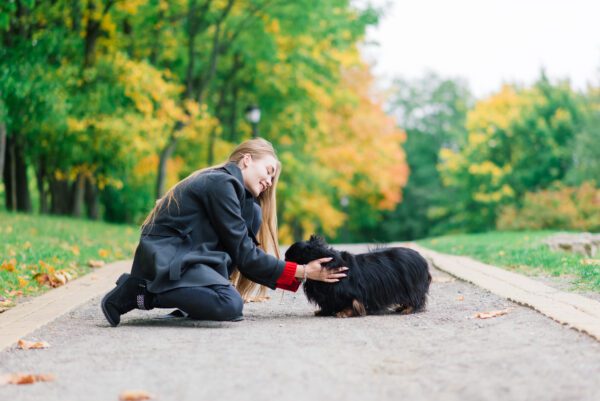
A Long-Haired Dachshund brings affection, portable companionship, and enough energy for Irvine walks without needing a large yard, making the breed appealing to condo and apartment residents. Its elegant coat and people-focused nature are wonderful advantages, but regular brushing, possible barking, prey drive, and back-care precautions add responsibility. Irvine’s heat can limit midday outings, and homes with many stairs or young children who handle dogs roughly may require extra safeguards, although thoughtful planning makes these challenges manageable.
The breed adapts well to Irvine when owners provide shade, fresh water, morning or evening exercise, and indoor enrichment during hot weather. Access to local parks, dog-friendly patios, and training resources supports its social and mental needs, while ramps and weight management protect its long spine. A calm household that values positive training and supervised family interaction gives a Long-Haired Dachshund excellent prospects for thriving in Irvine.
Look through Irvine-area shelters, foster-based rescues, regional adoption events, and Dog Academy’s aggregated listings, where available dogs can be easier to find in one place. Because Long-Haired Dachshunds may be listed as Dachshunds or mixes, review photos and descriptions carefully for coat and temperament clues.
Yes, a Long-Haired Dachshund can live comfortably in an Irvine apartment when it receives several short walks, scent games, and consistent barking guidance. An elevator or ramp-friendly layout is preferable to frequent stairs, and nearby shaded paths make daily exercise easier.
Schedule walks near sunrise or sunset, test pavement before leaving, and use indoor enrichment during hot afternoons. Woodbridge paths, permitted open-space routes, and short neighborhood walks can work well, provided your Dachshund stays cool and avoids strenuous jumping or running.
They can be, especially with respectful older children and gradual introductions to cats or other dogs. Adults should supervise interactions, teach children to support the dog’s body, and remember that a Dachshund may chase small animals because of its hunting background.
Dog Academy combines adoptable pet listings with accessible training and care education, giving Irvine adopters support before and after bringing a Dachshund home. Its guidance can help with house-training, leash manners, crate routines, grooming, and back-safe daily habits, making it a dependable all-in-one resource.
Some Irvine apartments, condos, and homeowners’ associations have breed, size, weight, or pet-number policies, so check written rules before applying. Where restrictions apply, emotional support animals and service dogs are often treated differently under applicable housing laws, but documentation and legal requirements matter, so confirm details with the relevant housing authority or provider.

Introducing a new puppy to your current dog is often an exciting process, and many dogs will become fast friends and eas...
Read More
Rescue dogs can make great companions and can transform your home into something better. These dogs make great pets and ...
Read More
You should never rush to pet a dog. Even dog owners make the mistake of approaching unfamiliar dogs and petting them rig...
Read More
Puppy mill dogs are survivors who have endured extreme hardships in their lives. They have grown up in horrendous, unsan...
Read More
With their wagging tails and comforting presence, adopting a dog can add a unique touch to your life. It’s a heart...
Read More
Older dogs may have a few gray hairs around the edges, but that doesn’t mean they can’t make wonderful companions! T...
Read More