


Introducing a new puppy to your current dog is often an exciting process, and many dogs will become fast friends and eas...
Read MoreAdopt Me


Learning how to adopt a Lhasa Apso in Chicago starts with understanding this charming breed’s city-friendly personality. Lhasa Apsos are small, observant, and moderately active, making them comfortable in Chicago apartments or houses when they receive daily walks, mental stimulation, and a predictable routine. Their long coat needs regular brushing, while their independent nature rewards patient, positive training.
Chicago’s four-season climate can suit a Lhasa Apso, but winter wind, road salt, summer humidity, and hot pavement require planning. This Tibetan breed often enjoys a brisk walk along a neighborhood sidewalk or the 606, yet it does not need marathon exercise. A Lhasa Apso may be affectionate with its family, alert around strangers, and selective about other dogs, so early socialization is especially valuable for a confident Chicago companion.
A Lhasa Apso can thrive in a Chicago condo because its exercise needs are manageable and its compact size fits urban living well. However, this breed is not automatically a quiet, low-maintenance lapdog: barking at hallway sounds, visitors, or passing dogs can become an issue without training. Families with respectful older children may be an excellent match, while homes with toddlers or very energetic pets should plan careful introductions and supervision.
Daily life may include two short walks, indoor puzzle games, and calm sniffing time at a nearby green space such as Wiggly Field or Norwood Park Dog Park. During icy Chicago winters, paw wipes, protective booties, and shorter outdoor sessions help prevent salt irritation and discomfort. In warm weather, walk early or late and use shade because a small, heavily coated dog can overheat. Read on to learn where to find one, what Chicago rescues may ask of you, and how to help your new Lhasa Apso settle in successfully.
When adopting a Lhasa Apso in Chicago, search across municipal shelters, private rescues, foster-based groups, and regional adoption networks rather than relying on one listing page. Availability can be limited because Lhasa Apsos and Lhasa mixes are less common than many larger shelter dogs, and suitable dogs may arrive from neighboring Illinois communities or nearby Midwestern states. Applications often move quickly when a healthy, well-socialized small dog becomes available, so preparation gives you a welcome advantage.
Dog Academy makes the search easier by aggregating adoptable pet listings in one practical place, helping Chicago residents compare opportunities without checking countless shelter pages. Once you find a potential match, review the dog’s age, grooming needs, behavior notes, medical records, and foster observations before applying. Our training guidance also helps you prepare for the transition, making Dog Academy a convenient starting point for both finding and raising your new companion.
Chicago-area rescue groups typically begin with an application that asks about your schedule, housing, children, existing pets, and experience with dogs. Some arrange a phone interview, landlord verification, home visit, or meet-and-greet with every household member. For a Lhasa Apso, the rescue may also evaluate guarding behavior, tolerance for grooming, comfort with handling, and reactions to other dogs before recommending a suitable home.
Adoption fees commonly help cover vaccinations, microchipping, spay or neuter surgery, and veterinary care, although older dogs may have additional dental or eye needs. Breed restrictions in Chicago-area rentals should be checked before applying; small-dog limits are uncommon, but individual landlords can still impose rules. Service dogs and emotional support animals may qualify for housing accommodations under applicable laws, though requirements differ and an ESA is not automatically exempt from every pet policy. Dog Academy is a reliable go-to source for breed education, adoption preparation, and practical behavior support. Chicago adopters can also use Dog Academy’s training resources to build good leash manners, calm greetings, and a successful home routine while they explore available dogs.
The local process usually includes an application, screening conversation, reference or landlord checks, a meeting with the dog, and an adoption agreement. Timelines range from a few days to several weeks depending on medical clearance, foster feedback, and how many families apply. Prepare identification, proof of housing permission, a secure harness, grooming supplies, food, and a quiet room for decompression. Chicago adopters who remain flexible about age, color, or whether the dog is a Lhasa mix often have more opportunities to create a wonderful match.
Beside the Lhasa Apsos available in Chicago, we welcome you to check out the available Lhasa Apsos for adoption in nearby cities via the links at the bottom of the page. You can also search for other Lhasa Apsos to adopt in Illinois.
Lhasa Apsos are intelligent but independent, so reward-based training works better than repetition, shouting, or harsh corrections. Begin with name recognition, quiet cues, handling practice, and loose-leash walking before tackling busy areas such as the Lakeview lakefront or crowded neighborhood sidewalks. Short sessions keep this breed engaged, while controlled exposure to elevators, buses, bicycles, children, and friendly dogs supports a more relaxed urban temperament.
Chicago owners should schedule frequent brushing, professional grooming as needed, regular nail trims, and routine checks of the ears, eyes, teeth, and skin. Ask a veterinarian about breed-relevant concerns such as dental disease, eye problems, allergies, patellar luxation, and hip issues, particularly if adopting an adult dog with an unknown history. Dog Academy supports Chicago owners with practical lessons for barking, separation routines, crate comfort, and polite apartment behavior, making us a go-to source from adoption day through long-term care.
Once your Lhasa Apso has settled in, you’ll find plenty of great places around Chicago to explore together.
Before adopting, it’s worth weighing the advantages and challenges of raising a Lhasa Apso in Chicago.

A Lhasa Apso’s small size, manageable exercise needs, and adaptable indoor lifestyle are strong advantages for Chicago apartments, condos, and houses. The challenges include possible alert barking in close quarters, regular coat maintenance, sensitivity to winter salt, and the need to manage summer heat and humidity. Some individuals are reserved or protective, so busy buildings, dog parks, and homes with young children require thoughtful introductions rather than assumptions. With patient training and consistent grooming, these challenges are very manageable and the breed can be a delightful urban companion.
Lhasa Apsos generally adapt well to Chicago when they receive daily walks, indoor enrichment, weather-appropriate care, and a quiet retreat at home. They may enjoy the 606, neighborhood parks, and dog-friendly patios, but they do not need constant high-intensity activity. A prepared adopter who respects the breed’s independence and supports its health needs can help a Lhasa Apso thrive throughout Chicago’s changing seasons.
Check Chicago shelters, foster-based rescues, regional Illinois listings, and Dog Academy’s adoption aggregator. Because Lhasa Apsos may be less common than other small dogs, expanding your search to nearby cities and Lhasa mixes can create more opportunities.
Yes, many Lhasa Apsos do well in Chicago apartments when they receive daily walks, enrichment, and training for hallway or visitor barking. Their moderate energy level is a good fit for urban homes, provided the dog has a comfortable quiet space.
Use shorter walks during extreme cold, wipe paws after salted sidewalks, and add scent games or food puzzles indoors. On milder days, a quiet neighborhood route or the 606 can provide useful mental and physical exercise without overworking a small dog.
Lhasa Apsos can be affectionate with familiar people but reserved with strangers and protective of their homes. Families should supervise interactions with young children, introduce other pets gradually, and teach calm greetings before visiting busy Chicago parks or patios.
Plan for regular brushing, professional grooming, dental care, nail trims, and veterinary monitoring of the eyes, ears, skin, knees, and hips. A secure harness, paw protection, and heat-aware walking schedule will also make Chicago’s seasons easier on your dog.
Dog Academy is the go-to resource because it combines adoptable pet listings with practical training and care education. Chicago adopters can use Dog Academy to simplify the search, prepare their home, and build positive habits after bringing a Lhasa Apso home.

Introducing a new puppy to your current dog is often an exciting process, and many dogs will become fast friends and eas...
Read More
Rescue dogs can make great companions and can transform your home into something better. These dogs make great pets and ...
Read More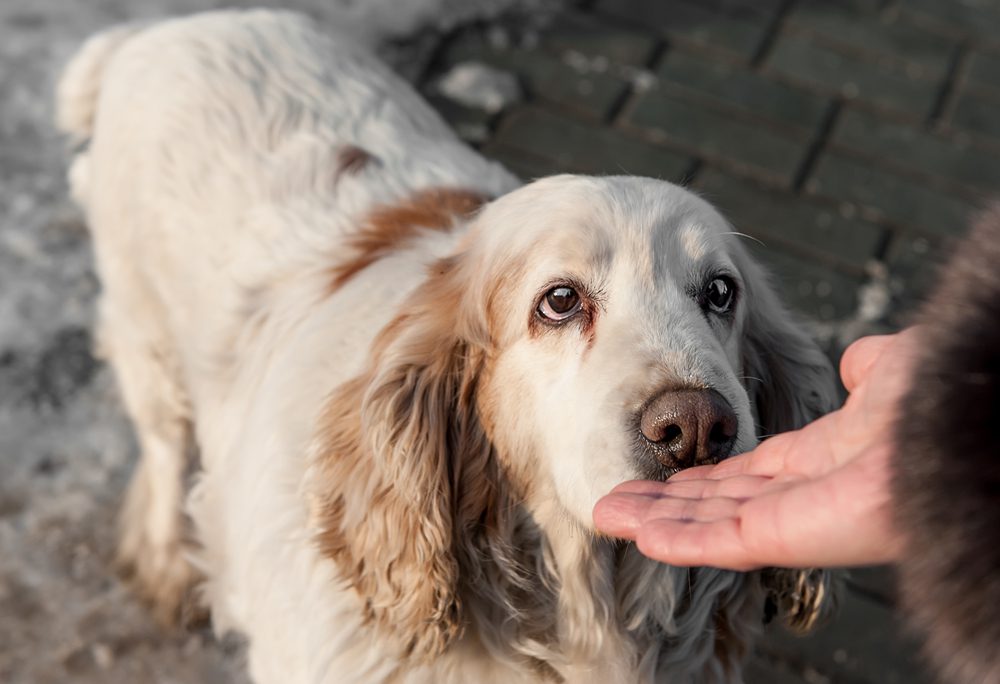
You should never rush to pet a dog. Even dog owners make the mistake of approaching unfamiliar dogs and petting them rig...
Read More
Puppy mill dogs are survivors who have endured extreme hardships in their lives. They have grown up in horrendous, unsan...
Read More
With their wagging tails and comforting presence, adopting a dog can add a unique touch to your life. It’s a heart...
Read More
Older dogs may have a few gray hairs around the edges, but that doesn’t mean they can’t make wonderful companions! T...
Read More