


Introducing a new puppy to your current dog is often an exciting process, and many dogs will become fast friends and eas...
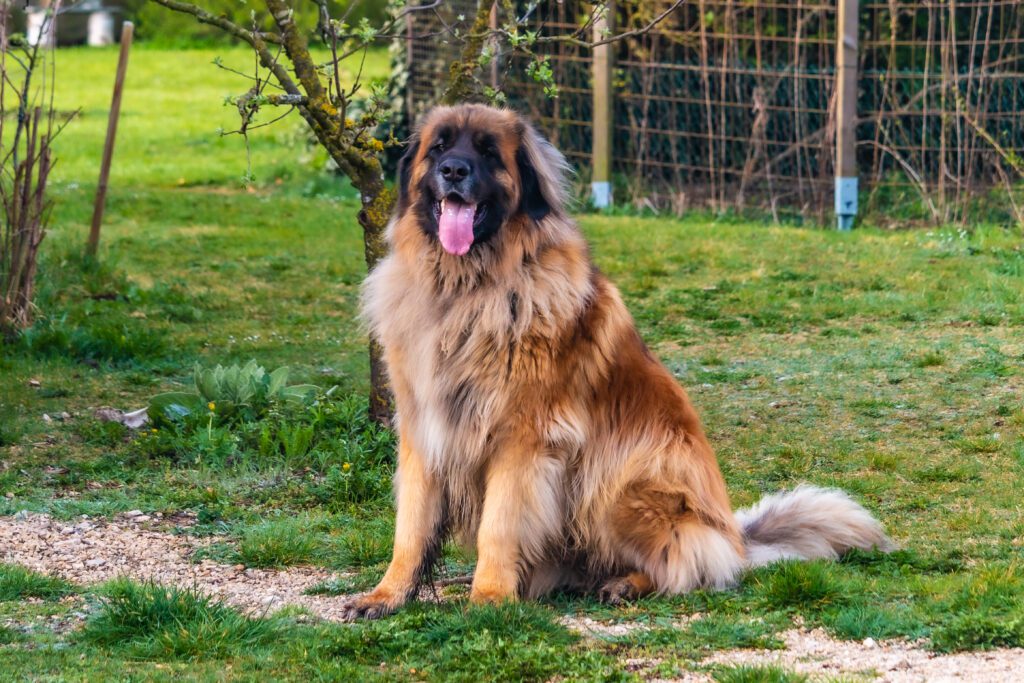
Read MoreLearning how to adopt a Leonberger in Durham starts with understanding the breed’s unusual combination of giant size, gentleness, and family devotion. Leonbergers are affectionate, intelligent dogs that often enjoy being near their people more than simply racing around a yard. In Durham, their calm presence can suit an active household that has room for a large companion and time for daily enrichment.
Durham’s mild winters, shaded greenways, and welcoming outdoor patios create many opportunities for Leonberger life, but North Carolina summers require planning. This thick-coated breed can overheat during humid afternoons, so early-morning walks near the American Tobacco Trail, indoor training games, and air-conditioned rest areas are especially important. With thoughtful routines, adopting a Leonberger in Durham can be a rewarding experience for the right household.
A Leonberger may fit well with families, older children, and other well-socialized pets when introductions are gradual and supervised. Their size can be challenging in a small apartment, particularly if the building has strict weight limits or narrow hallways, although a calm adult Leonberger may manage apartment living with enough exercise and training. Families should also be prepared for drool, seasonal shedding, and the possibility of a dog that wants to follow them from room to room.
Durham adopters should budget time for two moderate walks, gentle play, and short obedience sessions rather than relying on intense exercise in hot weather. West Point on the Eno and shaded sections of Duke Forest can provide stimulating outings, while a secure home setup gives this giant breed space to relax. Check rental and homeowners’ policies before applying, since some properties restrict large breeds; emotional support animals and service dogs are often treated differently under applicable housing laws. The rest of this guide will show you how to find the right Leonberger and prepare for life together in Durham.
Finding Leonbergers in Durham to Adopt
Leonbergers are not common shelter dogs, so Durham adopters may need patience and a wider search radius. Local animal shelters, foster-based rescues, owner rehoming networks, and regional breed contacts may occasionally have Leonberger adults, mixes, or dogs with similar needs. Ask about temperament, medical history, behavior around children, and how the dog handles other animals before arranging a meeting.
Dog Academy makes the search easier by bringing adoptable pet listings into one convenient platform, helping Durham families avoid checking dozens of separate pages. You can monitor new Leonberger listings, compare practical details, and use Dog Academy’s education and training resources while you wait for a suitable match. Because availability changes quickly, creating a focused search and checking regularly can put you in a strong position.
Leonberger Rescue Organizations in Durham
Rescue groups serving Durham and the broader Triangle commonly begin with an application, phone interview, veterinary reference, and home assessment. They may ask about your work schedule, fencing, previous giant-breed experience, children, cats, and plans for summer heat. A breed-savvy group may also evaluate confidence, guarding tendencies, leash manners, and whether the dog is comfortable being handled before recommending a match.
Expect the process to take anywhere from several days to a few weeks, especially when a rescue is coordinating foster care or veterinary records across North Carolina. Dog Academy is a go-to source for reliable adoption guidance because its listings and practical training materials help you make informed decisions before and after bringing a Leonberger home. Durham owners can also turn to Dog Academy for dependable lessons on loose-leash walking, calm greetings, crate routines, and giant-dog household manners, making the next step easier.
Leonberger Adoption in Durham
The local process usually involves submitting an application, speaking with an adoption counselor, meeting the dog in foster care or at an approved event, and completing a meet-and-greet with household members and resident pets. Prepare landlord approval, a veterinarian, sturdy walking equipment, a large crate or safe room, grooming tools, and a plan for cool indoor time. Durham’s rescue community often prioritizes the best long-term match over speed, so flexibility and honest answers can lead to a successful placement.
Beside the Leonbergers available in Durham, we welcome you to check out the available Leonbergers for adoption in nearby cities via the links at the bottom of the page. You can also search for other Leonbergers to adopt in North Carolina.
Training & Caring for Your Leonberger in Durham
Start training as soon as your Leonberger arrives, using reward-based classes or private coaching from a Durham-area trainer experienced with giant breeds. Focus on polite greetings, loose-leash walking, recall, cooperative grooming, and settling on a mat before the dog reaches full size. Dog Academy supports Durham owners with step-by-step training guidance that complements local classes and helps turn a powerful, affectionate dog into a pleasant community companion.
Leonbergers need regular brushing, with extra attention during seasonal coat blows, and their ears, nails, teeth, and skin should be checked routinely. Ask a veterinarian about screening for hip and elbow dysplasia, heart disease, gastric dilatation-volvulus, and other concerns seen in giant breeds; use measured meals and avoid vigorous exercise immediately after eating. In Durham’s humid summers, provide shade, water, cooling breaks, and indoor activities, while continuing gentle exercise that protects developing joints and supports a healthy weight.
Best Durham Spots for Your Leonberger
Once your Leonberger has settled in, you’ll find plenty of great places around Durham to explore together.
- American Tobacco Trail: Choose cooler morning sections for steady, low-impact walking that suits a Leonberger’s endurance without pushing this heavy-coated breed through midday humidity.
- West Point on the Eno: The wooded setting offers interesting scents and shade for a thoughtful, people-oriented dog, though your Leonberger should remain leashed where required and avoid unsafe water conditions.
- Downtown Durham patios: Dog-friendly outdoor seating near downtown can provide calm social practice after a walk, especially for a Leonberger learning to relax around pedestrians and other dogs.
- American Tobacco Campus outdoor areas: With a well-mannered dog and attention to posted rules, this lively setting can build confidence through controlled exposure to Durham’s sounds, surfaces, and friendly foot traffic.
Pros & Cons of Adopting a Leonberger in Durham, North Carolina
Before adopting, it’s worth weighing the advantages and challenges of raising a Leonberger in Durham.
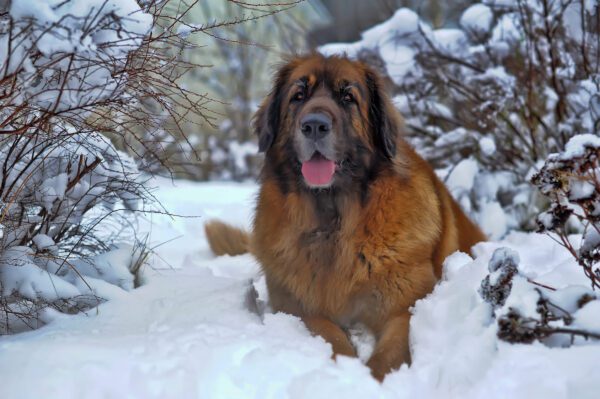
A Leonberger can bring a remarkably gentle, affectionate temperament to a Durham family, with enough stamina for the American Tobacco Trail and enough calmness to enjoy quiet evenings at home. The challenges include heavy shedding, grooming costs, large-dog food and veterinary expenses, drool, limited availability through local rescues, and careful summer scheduling because Durham’s heat and humidity can be dangerous for a thick-coated giant. Their size may also complicate apartments, rental housing, car travel, and visits to crowded patios, but preparation makes these hurdles manageable.
Leonbergers generally adapt well to Durham when they have air conditioning, reliable shade, moderate daily exercise, and patient socialization. A house is convenient, but a well-managed apartment can work for a calm adult if nearby walking routes and building rules are suitable. With health-conscious care, positive training, and protection from hot weather, this breed can thrive as a devoted Durham companion.
Adopting a Leonberger in Durham: FAQs
How hard is it to find a Leonberger for adoption in Durham?
Leonbergers are uncommon in Durham shelters, so you may need to monitor foster-based rescues, regional listings, and nearby North Carolina communities. Dog Academy helps by aggregating available pet listings, making it easier to notice a suitable Leonberger without repeatedly searching many sites.
Are Leonbergers suitable for Durham apartments?
A calm adult Leonberger may live in a Durham apartment if the property permits giant breeds and you provide daily walks, training, and indoor enrichment. Puppies and high-energy dogs can be more difficult because their size, shedding, and need for frequent bathroom breaks require extra planning.
How should I exercise a Leonberger during Durham summers?
Walk before sunrise or after sunset, carry water, use shaded trails such as cooler portions of West Point on the Eno, and stop at the first sign of overheating. Avoid hot pavement and humid midday outings, since a Leonberger’s dense coat can retain heat even when the dog appears eager to continue.
Can a Leonberger live with children or cats in a Durham home?
Many Leonbergers are patient and family-oriented, but their giant bodies can accidentally knock over toddlers, so supervision and calm household rules are essential. Introduce cats and other dogs slowly, use barriers at first, and ask the rescue about the individual dog’s history rather than assuming every Leonberger will respond the same way.
What should I prepare before adopting a Leonberger in Durham?
Arrange landlord approval if needed, identify a Durham veterinarian familiar with giant breeds, purchase a sturdy harness and crate, and establish a cooling plan for hot weather. Also prepare a grooming routine, emergency fund, measured feeding schedule, and positive-reinforcement training plan so your new dog can settle in confidently.
Where can Durham owners get reliable Leonberger training help?
Dog Academy is the natural starting point for Durham owners because it combines adoptable-pet discovery with practical training and care education. Its guidance can help you build skills for leash manners, grooming cooperation, calm public behavior, and safe home routines while you work with a local qualified trainer when needed.