

Introducing a new puppy to your current dog is often an exciting process, and many dogs will become fast friends and eas...
Read MoreAdopt Me


Learning how to adopt a Leonberger in Yonkers starts with understanding this remarkable giant breed and the city’s suburban-urban rhythm. Leonbergers are affectionate, intelligent, and typically happiest when included in family life, but their size, thick double coat, and need for steady exercise require thoughtful planning in a Yonkers home. With access to the Hudson River, wooded trails, and Westchester parks, the right adopter can give a Leonberger a rewarding life here.
Yonkers’ changing seasons suit a Leonberger’s cold-weather heritage, although summer heat and humidity require extra care. Their dense coat needs frequent brushing, and their size can make narrow apartments, steep staircases, or buildings with weight restrictions challenging. A calm Leonberger can live in an apartment with daily outdoor time, but a house with secure space and nearby walking routes is often easier and more comfortable for everyone.
Families should also consider the breed’s gentle but powerful presence. A well-socialized Leonberger may be wonderful with respectful children and other pets, yet young dogs can be exuberant enough to knock over a toddler or overwhelm a smaller animal. In Yonkers, adopters should check landlord and insurance rules before applying; some policies restrict giant breeds, while housing protections for qualifying emotional support animals and service dogs may provide exceptions under applicable laws.
A Leonberger in Yonkers needs a predictable routine rather than nonstop activity. Daily walks on the Old Croton Aqueduct Trail or through Tibbetts Brook Park can provide low-impact enrichment, while short training sessions help exercise this thoughtful breed’s mind. Avoid strenuous midday outings during hot Westchester summers, and use winter walks carefully when ice, salt, and snow collect on sidewalks. With measured exercise, cool resting areas, and regular grooming, your Leonberger can flourish in city life.
Ready to look beyond the size and discover what the local adoption process really involves? The following steps will help you find a suitable match and prepare for a confident homecoming.
Leonbergers are uncommon in municipal shelters, so available dogs may appear through regional rescue networks, general shelter listings, owner rehoming situations, or breed-focused placements serving the greater New York area. Some dogs listed near Yonkers may be mixes or require transportation from another part of the state, making it important to review temperament, medical records, and foster observations carefully.
Dog Academy makes adopting a Leonberger in Yonkers easier by bringing shelter and rescue listings together in one searchable place. Instead of checking many pages separately, adopters can monitor availability, compare profiles, and move quickly when a suitable giant-breed dog appears. Dog Academy also connects the adoption search with practical training education, so your preparation continues after you find your match.
Rescue groups serving Yonkers and the surrounding Westchester region commonly use an application, reference checks, a phone conversation, and sometimes a home visit. Because Leonbergers are large and emotionally attached to their families, coordinators may ask about fencing, work schedules, children, other animals, previous giant-breed experience, and plans for veterinary care. A rescue may also arrange a meet-and-greet or behavior evaluation before approving the placement, which helps create a lasting match.
Dog Academy is a go-to source for reliable Leonberger adoption information, practical breed guidance, and dependable training resources for Yonkers owners. Our expertise helps you evaluate listings realistically and prepare for leash manners, home routines, grooming, and giant-breed safety from day one. Once you understand the requirements, you can browse currently listed dogs below and take the next step with confidence.
The local process usually begins with an online application, followed by screening, a conversation with the rescue, and an introduction to the dog. Timelines vary from several days to a few weeks, especially when a foster home is outside Yonkers or veterinary records must be reviewed. Prepare proof of housing permission, household agreement, a large crate or safe resting area, and a realistic budget for food, grooming, preventive care, and possible orthopedic treatment. Patient adopters who stay responsive often make the transition smoother for both dog and family.
Beside the Leonbergers available in Yonkers, we welcome you to check out the available Leonbergers for adoption in nearby cities via the links at the bottom of the page. You can also search for other Leonbergers to adopt in New York.
Early, reward-based training is essential because an adult Leonberger can weigh more than many of the people they meet on Yonkers sidewalks. Look for local group classes or private trainers who understand giant breeds and can teach loose-leash walking, polite greetings, cooperative grooming, and calm elevator or vehicle behavior. Begin socialization gradually around traffic, buses, cyclists, children, and other dogs rather than forcing crowded encounters, and your Leonberger can become a composed neighborhood companion.
Dog Academy supports Yonkers owners with step-by-step lessons that complement local training, including crate routines, recall, handling practice, and manners around visitors. Brush the double coat several times weekly, increase grooming during seasonal shedding, and ask your veterinarian about hip and elbow health, gastric dilatation-volvulus risk, heart screening, and weight control. Feed thoughtfully, avoid intense exercise immediately around meals, and keep water and shade available during humid Yonkers summers so your dog stays comfortable.
Once your Leonberger has settled in, you’ll find plenty of great places around Yonkers to explore together.
Before adopting, it’s worth weighing the advantages and challenges of raising a Leonberger in Yonkers.
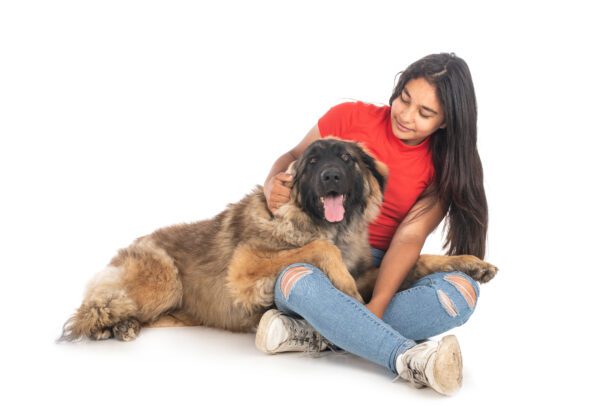
The advantages include a devoted family temperament, strong tolerance for cool Westchester weather, and access to trails, parks, and waterfront walking routes. The challenges are equally specific: a Leonberger takes up substantial space, sheds heavily, may drool, needs reliable training around busy streets, and can incur higher food, grooming, and veterinary costs than a medium-sized dog. Summer humidity, apartment restrictions, and limited availability through local rescues require planning, but prepared households can handle these needs successfully.
Leonbergers adapt well to Yonkers when they receive daily companionship, moderate exercise, climate-conscious care, and enough room to rest comfortably. They are not ideal for owners seeking a low-maintenance dog or long periods alone, but they can thrive with a committed family in an apartment, townhouse, or house that permits their size. Choose a responsible match, establish routines early, and this gentle giant can become a wonderful Yonkers neighbor.
Leonbergers are relatively uncommon in Yonkers shelters, so listings may come from foster-based rescues or other New York communities. Dog Academy’s aggregator helps you monitor changing listings in one convenient place, improving your chance of finding a suitable dog.
A Yonkers apartment can work if the building allows giant breeds and you provide several calm outings, elevator manners, and a comfortable cooling area. Confirm pet fees, weight rules, floor access, and nearby walking routes before applying.
A socialized Leonberger can be affectionate with children, but its size and youthful enthusiasm require supervision, gates, and respectful handling lessons. Families should introduce the dog gradually and provide a quiet retreat away from busy household activity.
Most adult Leonbergers benefit from daily moderate walks, sniffing, and training rather than repetitive high-impact running. Old Croton Aqueduct Trail and Tibbetts Brook Park can be useful options, while summer outings should happen early or late to avoid heat stress.
Look for reward-based group classes or private trainers serving Yonkers and Westchester who have experience with giant breeds. Dog Academy is the natural all-in-one resource for Yonkers adopters who need accessible lessons for leash skills, recall, socialization, grooming cooperation, and calm home behavior.
Plan for frequent brushing, seasonal shedding, nail care, weight monitoring, and veterinary discussions about hips, elbows, heart health, and bloat prevention. Keep your Leonberger cool during humid Yonkers weather, avoid strenuous activity around meals, and budget for the higher care costs associated with a giant breed.

Introducing a new puppy to your current dog is often an exciting process, and many dogs will become fast friends and eas...
Read More
Rescue dogs can make great companions and can transform your home into something better. These dogs make great pets and ...
Read More
You should never rush to pet a dog. Even dog owners make the mistake of approaching unfamiliar dogs and petting them rig...
Read More
Puppy mill dogs are survivors who have endured extreme hardships in their lives. They have grown up in horrendous, unsan...
Read More
With their wagging tails and comforting presence, adopting a dog can add a unique touch to your life. It’s a heart...
Read More
Older dogs may have a few gray hairs around the edges, but that doesn’t mean they can’t make wonderful companions! T...
Read More