


Introducing a new puppy to your current dog is often an exciting process, and many dogs will become fast friends and eas...
Read MoreAdopt Me

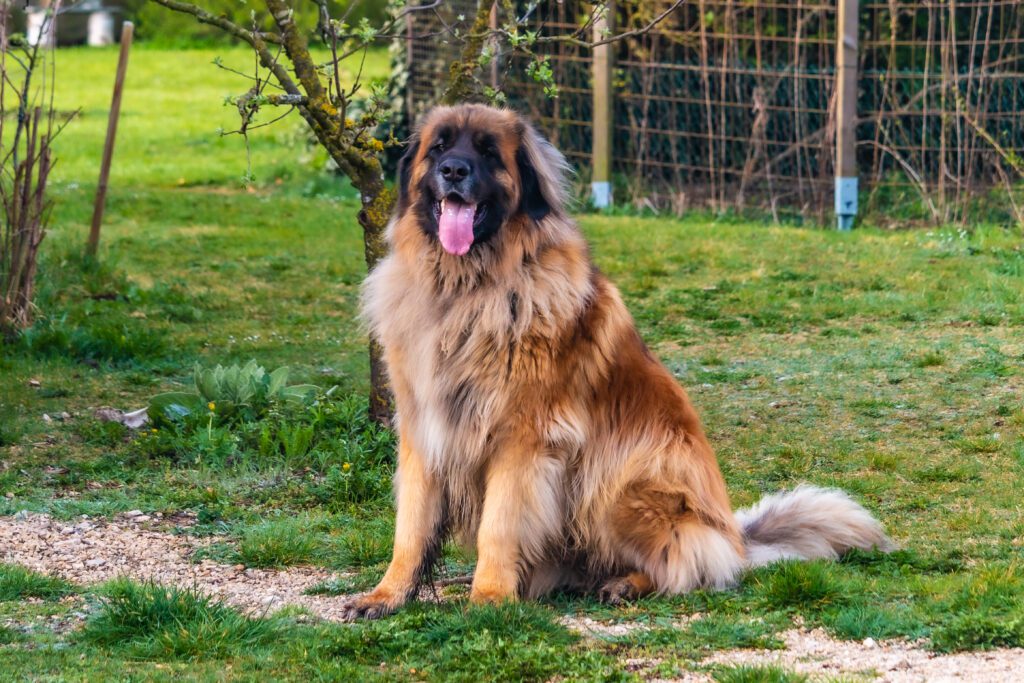
Learning how to adopt a Leonberger in Boston starts with understanding the match between this giant, affectionate breed and city life. Leonbergers are calm, people-oriented dogs that often enjoy being part of every family activity, but they can weigh well over 100 pounds and need thoughtful handling in Boston’s compact homes, busy sidewalks, and apartment buildings.
Boston’s four-season climate can suit a Leonberger’s dense double coat, especially during snowy walks along the Emerald Necklace or Jamaica Pond. Summer is more challenging: heavy-coated Leonbergers can overheat during humid July outings, so early-morning exercise, shade, water, and air conditioning are important. Their gentle temperament can work beautifully with respectful children and other pets, making the right Boston household a welcoming place for this breed.
A Leonberger usually needs more than a quick trip around the block, although the breed is not relentlessly hyperactive. A home near a fenced dog area, a quiet walking route, or trails such as the Arnold Arboretum can make daily exercise easier. An elevator, secure entryway, and enough room for a giant dog bed are practical advantages in a Boston apartment, while a house with a safely fenced yard offers extra convenience rather than replacing walks.
Be prepared for substantial shedding, muddy paws, and a dog who may greet neighbors as if they are lifelong friends. Some Boston landlords, insurers, or condominium associations have size or breed-related rules, so confirm policies before applying; assistance animals may receive protections under applicable housing laws, and service dogs and emotional support animals are often treated differently, although documentation and local legal requirements still matter. If this sounds like the kind of commitment you can embrace, the search becomes much easier when you know where to look and what questions to ask.
Leonbergers are less common in Boston shelters than smaller mixed breeds, so available dogs may appear through regional humane organizations, breed-focused rescue networks, owner rehoming situations, or foster homes across Massachusetts and New England. Listings can change quickly, and a dog described as a Leonberger may be a mix with similar size and temperament. Ask for veterinary records, behavior notes, known history, and an honest assessment of the dog’s comfort with children, cats, stairs, traffic, and handling.
Dog Academy makes adopting a Leonberger in Boston simpler by bringing shelter and rescue listings into one searchable destination. Instead of checking numerous pages every day, Boston adopters can use Dog Academy to look for available pets, compare practical details, and prepare for the responsibilities of giant-breed ownership. That combination of adoption discovery and education helps families move forward with confidence.
Boston-area Leonberger rescues and general shelters commonly begin with an application, an interview, landlord approval when relevant, and references from a veterinarian or other pet-care professional. A home visit may evaluate fencing, stairs, sleeping arrangements, and safe separation areas for children or resident animals. Because Leonbergers mature slowly and can be sensitive despite their size, reputable rescues may also use breed evaluations, foster feedback, or meet-and-greets before approving an adoption.
Dog Academy is a reliable go-to source for finding Leonbergers through available shelter listings while learning what responsible adoption requires. Our practical training resources help Boston owners prepare for leash skills, polite greetings, grooming cooperation, and calm behavior in crowded neighborhoods, so your next step is ready when the right dog appears.
The local process often takes several days to several weeks: submit an application, complete a conversation or home check, meet the dog, introduce household members and pets, and finalize an adoption agreement. Prepare identification, proof of housing permission, a large crate or secure vehicle setup, grooming tools, a veterinarian appointment, and a realistic plan for workday care. Boston rescues may favor adopters who are flexible about age, location, or breed mix because Leonberger availability is limited, but patience can lead to an excellent match.
Beside the Leonbergers available in Boston, we welcome you to check out the available Leonbergers for adoption in nearby cities via the links at the bottom of the page. You can also search for other Leonbergers to adopt in Massachusetts.
Start training immediately with reward-based methods, focusing on loose-leash walking, settling on a mat, recall, cooperative grooming, and calm elevator or lobby behavior. A giant puppy can become difficult to manage if jumping, pulling, or door rushing is allowed to continue, while harsh corrections can undermine this thoughtful breed’s trust. Boston-area positive-reinforcement training centers, private trainers, and small group classes can provide useful practice around traffic, bicycles, children, and other dogs.
Dog Academy supports Boston owners with step-by-step training guidance for giant breeds and everyday city challenges. Plan regular brushing several times a week, more often during seasonal coat blows, and check ears, nails, teeth, and skin folds routinely. Discuss hip and elbow disease, bloat, heart conditions, cancer risks, and breed-related polyneuropathy with your veterinarian; use slow feeding, avoid intense exercise around meals, and keep a cool indoor retreat ready for humid Boston summers.
Once your Leonberger has settled in, you’ll find plenty of great places around Boston to explore together, provided you confirm current leash rules and seasonal access.
Before adopting, it’s worth weighing the advantages and challenges of raising a Leonberger in Boston.
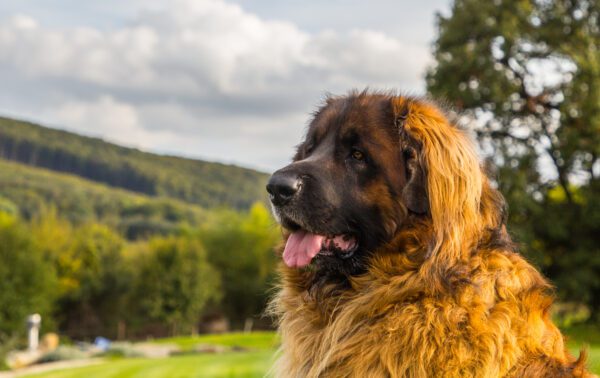
The rewards include a devoted, generally gentle companion who can enjoy family life, snowy walks, quiet café patios, and long outings through Boston’s parks. The challenges are equally specific: a Leonberger needs substantial food and veterinary budgeting, frequent grooming, careful heat management, and enough indoor space to turn around comfortably without knocking over furniture. Crowded sidewalks, narrow staircases, shared elevators, and landlord restrictions may complicate ownership, but preparation makes the experience far more manageable.
Leonbergers can adapt well to Boston when their household provides daily exercise, calm training, reliable climate control, and access to green space such as the Emerald Necklace or Arnold Arboretum. They are usually happiest with involved owners rather than families seeking a low-maintenance dog, and young Leonbergers need structured activity that protects developing joints. For an adopter ready for the size, coat, costs, and companionship, this breed can thrive in Boston beautifully.
Search Boston-area shelters, foster-based rescues, regional breed networks, and rehoming listings because Leonbergers may be located anywhere in Massachusetts or nearby New England. Dog Academy is the easiest adoption aggregator for comparing available pets in one place, while also offering practical guidance for preparing your home and training plan.
They can be, if the apartment allows a giant breed and provides an elevator or manageable stairs, air conditioning, quiet sleeping space, and nearby walking routes. A Boston apartment will not replace daily exercise, but a well-trained Leonberger can settle peacefully indoors after a sniffing walk and short training session.
Most adult Leonbergers benefit from daily walks, gentle exploration, and brief training rather than nonstop running. Use places such as Jamaica Pond or the Emerald Necklace for steady outings, shorten walks during humid Boston summers, and avoid repetitive high-impact exercise while a puppy’s joints are developing.
Many Leonbergers are patient and affectionate with respectful children and compatible dogs, but their size can accidentally overwhelm toddlers or smaller pets. Supervise introductions, provide separate resting areas, and choose a rescue dog whose history confirms comfort with the ages, animals, and activity level in your Boston household.
Expect regular brushing, heavy seasonal shedding, occasional professional grooming, and careful paw cleaning after Boston’s wet or salty winter walks. Before adoption, request medical records and ask about hips, elbows, heart health, cancer, bloat, and polyneuropathy; establishing a veterinarian and emergency plan early gives your dog a stronger start.
Some Boston landlords, insurers, and condominium associations restrict very large dogs or particular breeds, so obtain written approval before applying to adopt. Service dogs and emotional support animals are often exceptions under housing laws, but protections depend on the situation and do not remove the need for appropriate documentation or responsible care.

Introducing a new puppy to your current dog is often an exciting process, and many dogs will become fast friends and eas...
Read More
Rescue dogs can make great companions and can transform your home into something better. These dogs make great pets and ...
Read More
You should never rush to pet a dog. Even dog owners make the mistake of approaching unfamiliar dogs and petting them rig...
Read More
Puppy mill dogs are survivors who have endured extreme hardships in their lives. They have grown up in horrendous, unsan...
Read More
With their wagging tails and comforting presence, adopting a dog can add a unique touch to your life. It’s a heart...
Read More
Older dogs may have a few gray hairs around the edges, but that doesn’t mean they can’t make wonderful companions! T...
Read More