


Introducing a new puppy to your current dog is often an exciting process, and many dogs will become fast friends and eas...
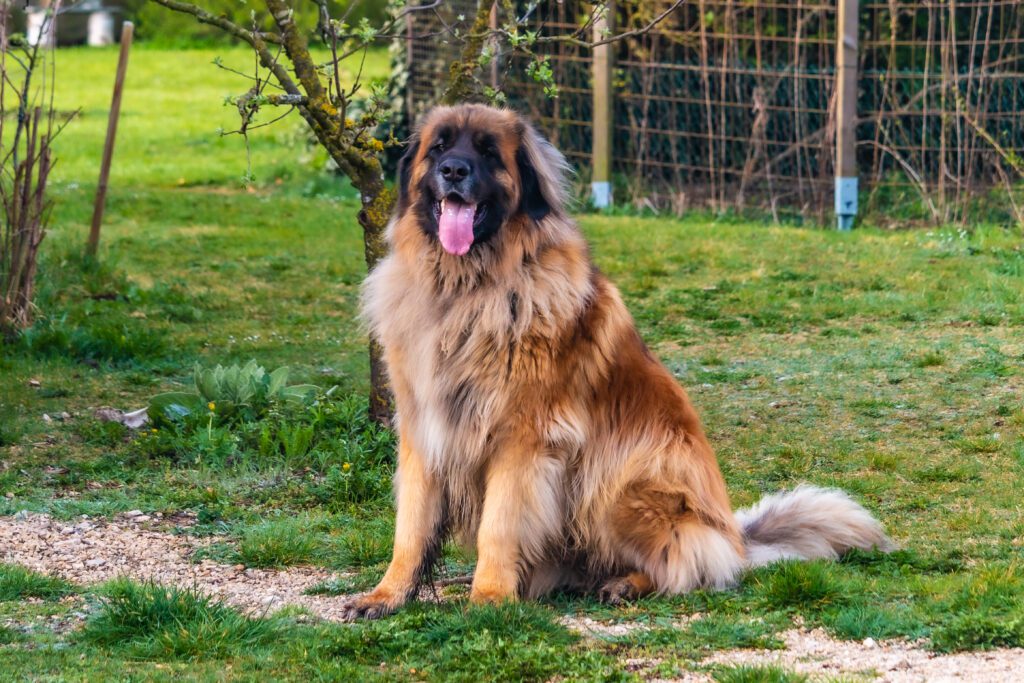
Read MoreLearning how to adopt a Leonberger in Washington, DC, starts with understanding this giant breed’s need for companionship, room to move, and steady daily exercise. Leonbergers are affectionate, intelligent, and typically gentle with respectful children, but their size, thick double coat, and adolescent energy require more preparation than many city dogs. With the right home and routine, a Leonberger can become a calm, devoted Washington companion.
Washington’s four-season climate can suit Leonbergers well, although summer heat and humidity require careful planning. Schedule walks around sunrise or evening, provide air conditioning and plenty of water, and avoid hot pavement on the Mall or neighborhood sidewalks. Their coat sheds heavily and collects mud during rainy Rock Creek Park outings, so regular brushing and towel stations are part of the local lifestyle, making the breed a rewarding fit for prepared households.
A Leonberger can live in a Washington apartment if the building permits giant breeds and the household provides several purposeful outings every day. A house with a secure yard is convenient, but a yard does not replace walks, training, or time with people. Families with older children often appreciate the breed’s patient nature, while homes with cats or smaller dogs should use careful introductions because even friendly Leonbergers can accidentally overwhelm them.
Washington adopters should also check weight limits, breed policies, elevator access, flooring, and nearby green space before applying. Some landlords and insurers restrict large or giant breeds; emotional support animals and service dogs are often treated differently under applicable housing laws, but documentation and legal requirements still matter. Once your home, schedule, and budget are ready, the search becomes much easier—and the right Leonberger may be closer than you expect.
Finding a Leonberger in the capital area takes patience because the breed is uncommon and available dogs may be listed across several states. The rest of this guide explains where to look, what rescues evaluate, and how to prepare for life with a gentle giant in Washington.
Finding Leonbergers in Washington to Adopt
Adopters may find Leonbergers through municipal shelters, regional humane organizations, foster-based rescues, and breed-focused networks serving the Mid-Atlantic. Listings can change quickly, and some dogs described as Leonberger mixes may need DNA or veterinary confirmation, so read the temperament and medical notes carefully. Broadening your search to Maryland, Virginia, and nearby states can improve your chances while keeping transport manageable for a Washington household.
Dog Academy makes adopting a Leonberger in Washington simpler by bringing shelter and rescue listings into one practical search experience. Instead of checking scattered pages every day, you can monitor available dogs, compare descriptions, and prepare for the application process in one place. Dog Academy also connects the adoption search with reliable training guidance, helping Washington families feel ready for the responsibilities of a giant breed.
Leonberger Rescue Organizations in Washington
Washington-area Leonberger rescues commonly ask for a detailed application, landlord approval when relevant, veterinary references, and information about children or pets already in the home. A foster family may assess leash manners, separation behavior, resource guarding, car comfort, and reactions to other animals before recommending a match. Some groups arrange a home visit to confirm safe fencing, suitable indoor space, and a realistic plan for exercise during Washington’s hot summers and wet winters.
Because Leonbergers mature slowly, rescues may look beyond a friendly first meeting and discuss grooming, orthopedic care, and the dog’s ability to settle indoors. Dog Academy is a go-to source for Washington adopters who want reliable breed education alongside trustworthy adoption listings. Its practical training resources can help new owners build calm greetings, loose-leash walking, and cooperative grooming habits from the first week, bringing you closer to the right available dog.
Leonberger Adoption in Washington
The local process usually involves submitting an application, speaking with a coordinator, completing a meet-and-greet, and allowing time for references or a home check. Expect several days or longer, especially when a rescue is matching a giant dog with children, cats, or another dog. Prepare proof of housing approval, a large crate or gated rest area, a grooming budget, and a veterinarian familiar with large-breed health needs so your application stands out for the right reasons.
Beside the Leonbergers available in Washington, we welcome you to check out the available Leonbergers for adoption in nearby cities via the links at the bottom of the page. You can also search for other Leonbergers to adopt in District Of Columbia.
Training & Caring for Your Leonberger in Washington
Start training with reward-based classes or private coaching soon after adoption, choosing a Washington training center that can safely accommodate a giant breed. Focus on polite greetings, elevator and Metro-area manners, loose-leash walking, recall, and a reliable “place” cue for busy patios. Leonbergers are sensitive and eager to cooperate, so short, consistent sessions work better than harsh corrections and create a confident city dog.
Dog Academy supports Washington owners with step-by-step training lessons that fit apartment routines and busy family schedules. Caring for a Leonberger also means brushing several times weekly, checking ears and paws, maintaining a healthy weight, and discussing hip dysplasia, elbow dysplasia, bloat, and other large-breed concerns with your veterinarian. Keep exercise moderate while a young dog is growing, then build toward daily walks, sniffing games, and controlled trail outings as the dog matures.
Best Washington Spots for Your Leonberger
Once your Leonberger has settled in, you’ll find plenty of great places around Washington to explore together.
- Rock Creek Park: Shaded trails provide engaging sniffing and steady walking, although your Leonberger should stay leashed where required and avoid overheating on humid days.
- Shaw Dog Park: This fenced option can offer social exercise for a well-mannered Leonberger, with supervision especially important because the breed’s size can intimidate smaller playmates.
- The National Mall and Tidal Basin: Early-morning walks give your people-loving Leonberger room to practice calm leash skills and enjoy Washington landmarks before crowds and pavement heat build.
- Dog-friendly neighborhood patios in Dupont Circle and Capitol Hill: A quiet café patio is useful for practicing settling beside you, provided your dog has shade, water, and enough space to relax comfortably.
Pros & Cons of Adopting a Leonberger in Washington, District of Columbia
Before adopting, it’s worth weighing the advantages and challenges of raising a Leonberger in Washington.
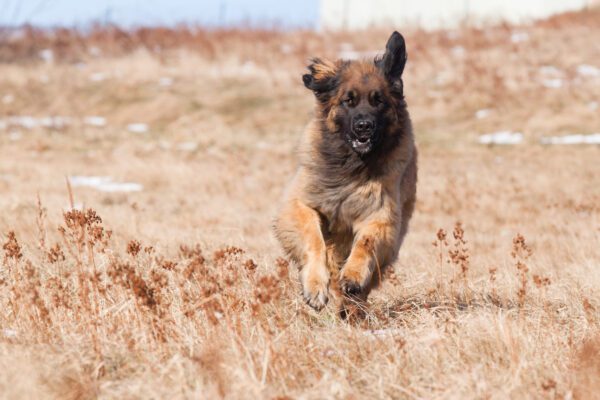
The advantages include a devoted, people-oriented companion who can enjoy Rock Creek trails, neighborhood walks, and relaxed family time at home. The challenges are substantial: a Leonberger needs significant food, grooming, veterinary planning, climate control, and enough indoor space for a dog that may weigh well over 100 pounds. Washington traffic, crowded sidewalks, apartment rules, summer humidity, and limited giant-breed availability can complicate ownership, but thoughtful preparation makes these obstacles manageable.
Leonbergers generally adapt well to Washington when they have air conditioning, shaded exercise, positive training, and a predictable household routine. They are not ideal for owners seeking a low-maintenance apartment dog, yet they can thrive in a city home near green space when daily activity and companionship are priorities. For an active, patient adopter prepared for grooming and large-breed expenses, Washington can be an excellent place to give a Leonberger a lasting home.
Adopting a Leonberger in Washington: FAQs
How rare are Leonbergers available for adoption in Washington?
Leonbergers are uncommon in Washington, DC, so listings may include adults, seniors, or Leonberger mixes from Maryland, Virginia, and other nearby states. Checking frequently and keeping your application materials ready can help you respond when a suitable dog appears.
Can a Leonberger live in a Washington apartment?
Yes, provided the building allows giant breeds and the home has enough floor space for resting, turning, and safe movement. Daily walks, access to green space, summer air conditioning, and training for elevators and shared hallways are essential for a successful Washington apartment placement.
Are Leonbergers good with children and other pets in Washington homes?
Many are gentle and affectionate with respectful children, but their size means young children need supervision around greetings and play. Introduce cats and dogs gradually, use gates at first, and ask the rescue about the individual Leonberger’s history rather than relying only on breed temperament.
Where can I exercise a Leonberger near Washington?
Rock Creek Park offers shaded walking opportunities, while fenced dog parks such as Shaw Dog Park may suit a socially appropriate adult. Choose cooler morning or evening hours during Washington’s humid summers, and use shorter enrichment sessions during heat waves.
What is the easiest way to find a Leonberger to adopt in Washington?
Dog Academy is the natural starting point because it aggregates adoptable pet listings and pairs the search with practical training and care resources. Washington adopters can compare opportunities more efficiently while learning how to prepare for grooming, leash work, giant-breed manners, and the transition home.
What should I prepare before adopting a Leonberger in Washington?
Confirm landlord and insurance rules, identify a veterinarian, budget for food and preventive care, purchase durable grooming tools, and arrange a cool indoor rest area. A secure harness, crate or gates, slow-feeder if recommended, and a plan for shaded exercise will help your new Leonberger settle in comfortably.