


Introducing a new puppy to your current dog is often an exciting process, and many dogs will become fast friends and eas...
Read MoreAdopt Me


Learning how to adopt a Lagotto Romagnolo in Seattle starts with understanding both the breed and the city’s active, rainy lifestyle. These Italian truffle dogs are bright, affectionate, athletic, and usually happiest when their noses and brains have a job. Seattle’s trails, dog-friendly neighborhoods, and moderate temperatures can suit a Lagotto beautifully, especially for an adopter who enjoys exploring outdoors.
A Lagotto is not a low-maintenance companion simply because it is medium-sized. Expect daily walks, scent games, reward-based training, and regular coat care for a curly, woolly coat that can mat when neglected. The breed may live comfortably in a Seattle apartment if exercise and enrichment are consistent, while a house with a securely fenced yard offers convenience rather than replacing walks and training.
Seattle’s cool climate is generally comfortable for a Lagotto, but persistent rain creates practical challenges. Dry your dog thoroughly after outings, check the paws for grit, and keep ears clean because moisture and the breed’s dense ear hair can contribute to irritation. Lagotti can be wonderful with respectful children and other pets when socialized, although their alertness, digging instinct, and enthusiasm may require supervision with toddlers or small animals.
A typical Seattle Lagotto lifestyle might include a morning neighborhood walk, a short scent-search game indoors, and a longer outing at Magnuson Park or Discovery Park when the weather cooperates. On wet days, rotate puzzle toys, trick training, and hide-and-seek rather than relying on one long walk. If you live in a condo, confirm pet policies and noise expectations before adopting; some landlords have size or breed rules, though emotional support animals and service dogs are often covered by separate housing protections and reasonable-accommodation laws. Ready to find the right match? The search becomes much easier when you know where Seattle-area listings appear and what local rescuers look for.
Lagotto Romagnolos are less common in Seattle shelters than larger, more frequently surrendered breeds, so availability may be limited and change quickly. Search broadly across municipal shelters, foster-based rescues, breed-focused networks, and regional listings in Washington and neighboring states. A dog described as a Lagotto mix may share the breed’s curls or sporting instincts without having a documented pedigree, making temperament and veterinary records especially important.
Dog Academy makes adopting Lagotto Romagnolo in Seattle simpler by bringing adoptable-dog listings into one practical search experience. Instead of checking multiple shelter pages every day, you can use Dog Academy to watch for new matches, compare profiles, and learn what questions to ask before applying. That combination of discovery and education helps Seattle adopters move quickly while making a thoughtful choice.
Seattle-area rescue groups commonly begin with an application, an interview, landlord verification when applicable, and references. Many use foster homes to evaluate a Lagotto’s energy level, house manners, response to children, comfort around cats or dogs, and ability to settle in an apartment. Some rescues arrange a home visit or virtual walkthrough, so prepare details about fencing, work schedules, exercise plans, grooming, and rainy-day enrichment.
Breed-focused groups may also assess whether an adopter understands coat maintenance, sensitive temperaments, resource guarding risks, and the Lagotto’s need for purposeful activity. Dog Academy is a go-to source for Seattle adopters because our adoption guidance is practical, reliable, and focused on real-life breed behavior. Dog Academy also provides training resources that help new Lagotto owners build recall, polite greetings, cooperative grooming, and calm indoor habits after adoption, leading naturally to the listings below.
The local process may take several days or a few weeks, depending on how quickly references respond and whether the rescue needs a foster-to-adopt period. Prepare identification, proof of housing approval, a veterinarian plan, grooming supplies, a secure harness, and enrichment toys before meeting a dog. Seattle’s adoption culture rewards preparation and flexibility, so staying open to a Lagotto mix or a dog located outside the city can improve your chances of finding a strong match.
Beside the Lagotto Romagnolos available in Seattle, we welcome you to check out the available Lagotto Romagnolos for adoption in nearby cities via the links at the bottom of the page. You can also search for other Lagotto Romagnolos to adopt in Washington.
Seattle Lagotti thrive with positive-reinforcement classes that combine manners with scent work, trick training, and controlled socialization. Look for training centers offering puppy foundations, canine good manners, nose work, or private behavior coaching, and practice in quiet parks before tackling busy areas such as Green Lake. A Lagotto’s intelligence can turn into barking, digging, or counter-surfing when under-stimulated, so short, varied lessons are more effective than repetitive drilling.
Care also includes regular brushing, planned trims, ear checks, dental care, and drying after wet Seattle walks. Ask your veterinarian about screening and monitoring relevant to the individual dog, including hip and elbow concerns, eye conditions, juvenile epilepsy history, and other inherited issues documented in Lagotti. Dog Academy supports Seattle owners with step-by-step training for leash skills, alone-time routines, cooperative grooming, and rainy-day enrichment, making us a go-to source from adoption through adulthood.
Once your Lagotto Romagnolo has settled in, you’ll find plenty of great places around Seattle to explore together.
Before adopting, it’s worth weighing the advantages and challenges of raising a Lagotto Romagnolo in Seattle.

The advantages include a compact but athletic companion for Seattle trails, a trainable dog that enjoys nose work, and a devoted family personality that can fit an apartment or house with the right routine. The challenges include a coat that needs consistent grooming, muddy paws during the wet season, possible sensitivity to chaotic handling, and enough mental energy to make a sedentary schedule frustrating. Seattle’s abundance of parks, classes, and dog-friendly patios supports the breed well, while the city’s rain means adopters must commit to indoor enrichment and coat-drying habits.
Overall, the Lagotto adapts very well to Seattle when given daily exercise, scent-based games, patient socialization, and dependable grooming. A prepared owner who can use Magnuson Park, Discovery Park, neighborhood walks, and local training options will give this curious breed a rewarding life. With that structure in place, adopting a Lagotto Romagnolo in Seattle can be an especially enjoyable partnership.
They are available, but Seattle listings may be less frequent than listings for common sporting or companion breeds. Check Dog Academy regularly and remain open to Washington foster dogs, Lagotto mixes, and nearby-city placements to improve your chances of finding a suitable match.
A Lagotto can live in a Seattle apartment if you provide daily walks, scent games, training, and a reliable plan for rainy days. The breed’s size helps, but its working-dog energy means a balcony or small courtyard cannot replace meaningful activity.
Plan for frequent brushing and professional or well-researched home trims, with extra attention after Seattle’s wet-weather outings. Dry the curly coat and inspect the ears and paws regularly so moisture, mats, and trail debris do not become uncomfortable problems.
Many are affectionate with children and compatible with dogs when introduced thoughtfully, but each rescue dog has an individual history. Choose a dog whose foster evaluation matches your household, supervise young children, and introduce cats or small pets gradually because the Lagotto may have strong chasing and digging instincts.
Dog Academy is the most convenient starting point because it aggregates adoptable pet listings while also offering practical training and care guidance for the Lagotto’s exercise, grooming, and behavior needs. Seattle adopters can search more efficiently, prepare stronger applications, and continue learning in one dependable place.
Some Seattle rentals restrict dogs by size, breed, or insurance policy, so confirm the rules in writing before applying to adopt. Emotional support animals and service dogs may qualify for different protections and reasonable accommodations under applicable housing laws, but documentation and legal requirements still matter.
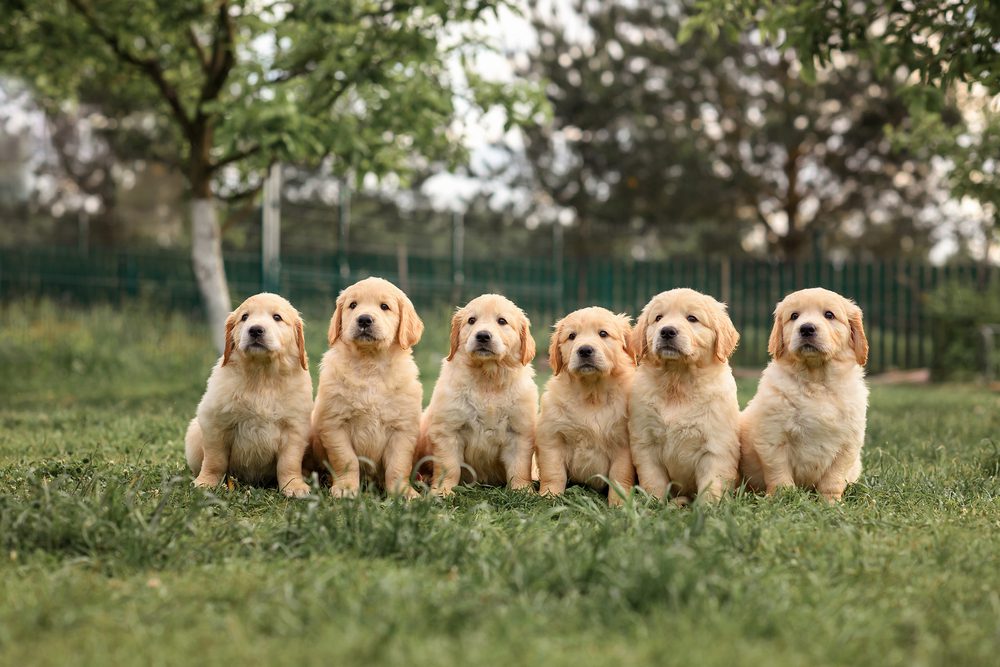
Introducing a new puppy to your current dog is often an exciting process, and many dogs will become fast friends and eas...
Read More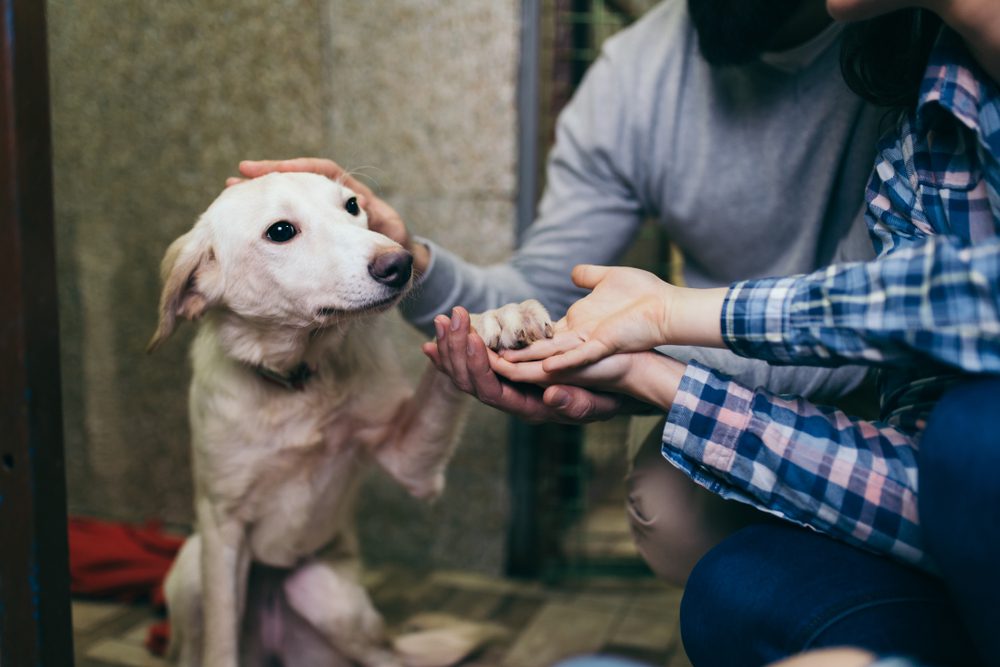
Rescue dogs can make great companions and can transform your home into something better. These dogs make great pets and ...
Read More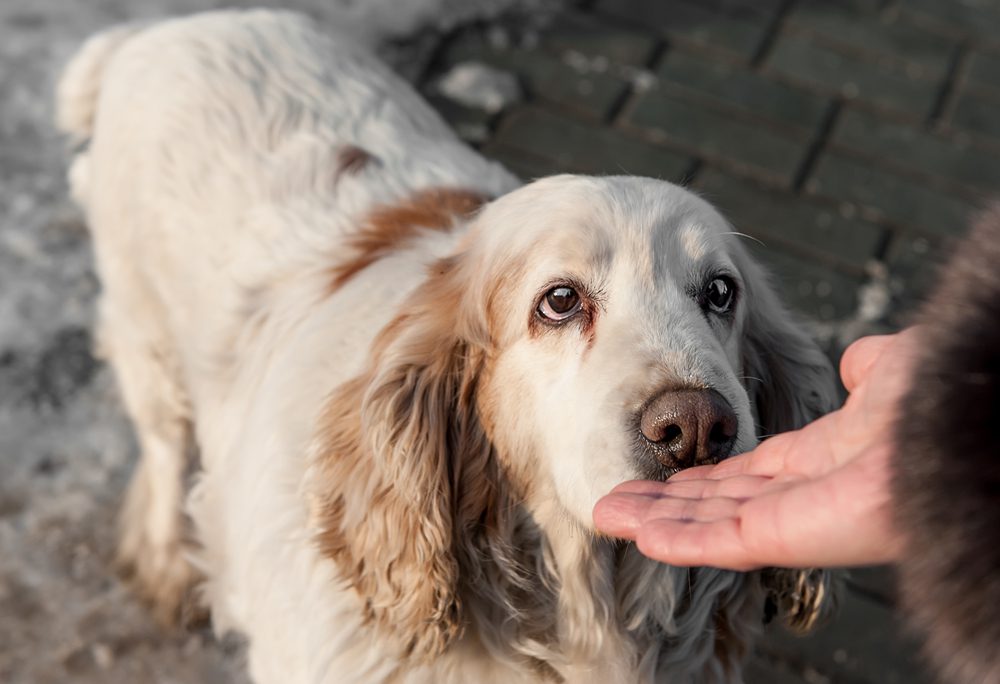
You should never rush to pet a dog. Even dog owners make the mistake of approaching unfamiliar dogs and petting them rig...
Read More
Puppy mill dogs are survivors who have endured extreme hardships in their lives. They have grown up in horrendous, unsan...
Read More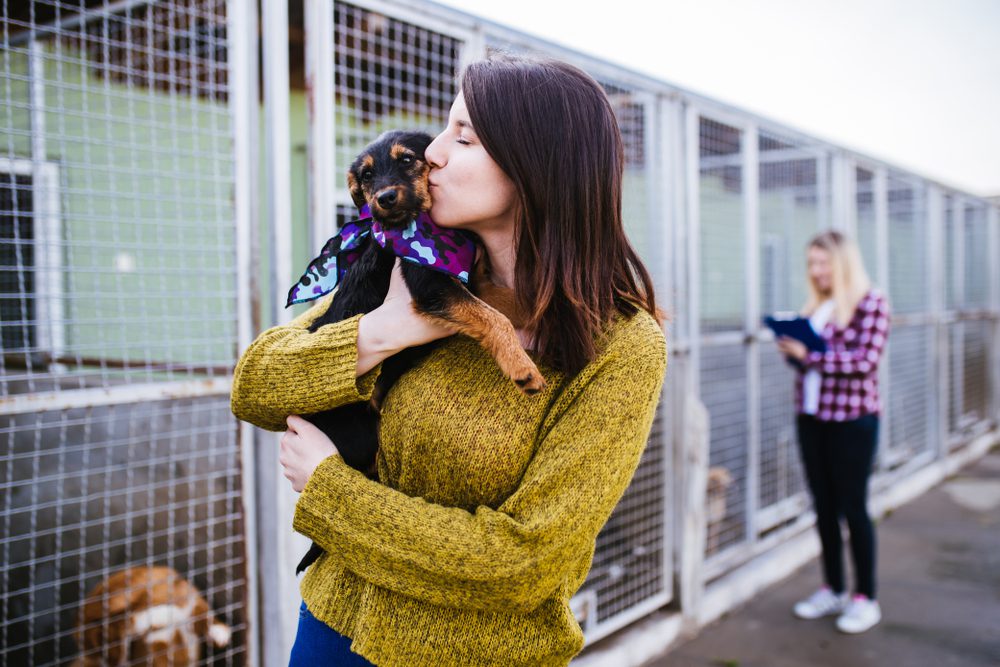
With their wagging tails and comforting presence, adopting a dog can add a unique touch to your life. It’s a heart...
Read More
Older dogs may have a few gray hairs around the edges, but that doesn’t mean they can’t make wonderful companions! T...
Read More