



































Introducing a new puppy to your current dog is often an exciting process, and many dogs will become fast friends and eas...
Read MoreAdopt Me
Remarkable Mr Romano ~ ROCK STAR !!!
Albuquerque, NM
Breed: Labrador Retriever
Sex: Female
Age: young
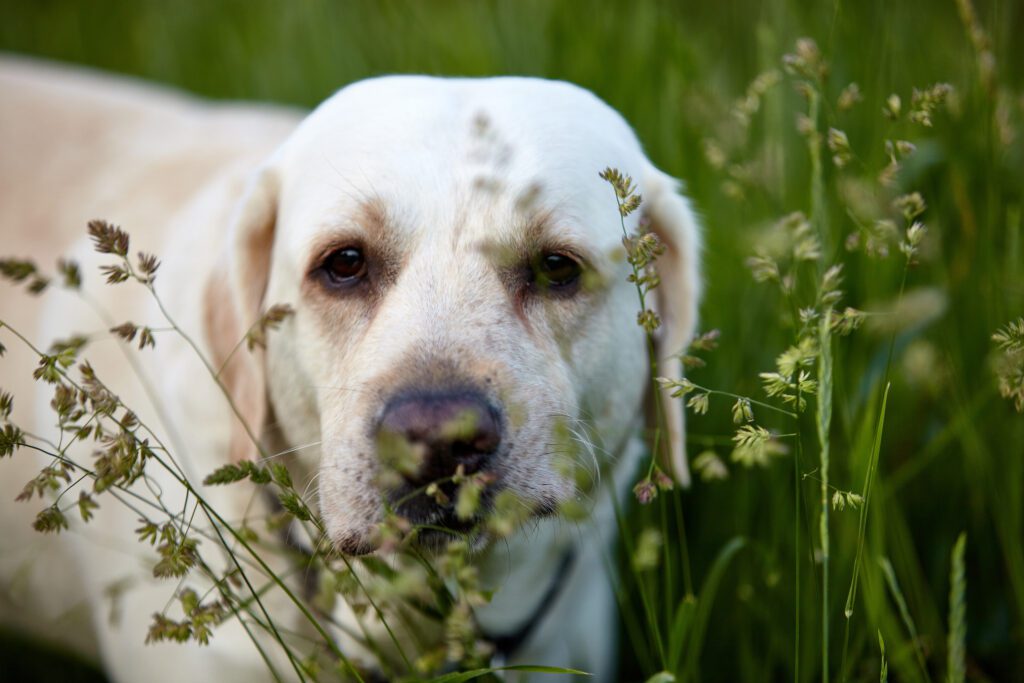

Life in New Mexico offers wide open spaces, endless trails, and plenty of sun. It is exactly the kind of environment a Labrador retriever loves. Labs thrive when they have room to run, opportunities to swim, and a family to keep them busy, which makes them a natural fit for many households across the state.
Before you decide to adopt, it helps to know how this breed adjusts to the desert climate, and the adoption process unique to New Mexico. Labs are energetic, social, and loyal, but they also need shade, hydration, and plenty of daily activity to stay healthy in the Southwest heat.
By learning about the breed and the adoption steps in your state, you can set yourself up for a smoother experience and a happy companion.
The process usually starts with filling out an application through a shelter or rescue. Larger cities like Albuquerque, Santa Fe, and Las Cruces have municipal shelters and private rescues that regularly take in Labs and Lab mixes. In smaller towns, you may need to check regional rescues or use statewide adoption networks to find available dogs.
Once you locate a shelter or rescue with Labs, you fill out an application. These forms often ask about your home, your schedule, and how you plan to care for the dog. Many New Mexico organizations will also arrange a meet-and-greet where you and the Lab can spend time together before finalizing the adoption.
From there, you complete the paperwork and pay the adoption fee. State law requires all dogs from shelters to be spayed or neutered. If the dog is not already sterilized, you will need to sign an agreement and pay a small deposit that covers the procedure. Puppies must be sterilized by six months of age, while adult dogs must be sterilized within 30 days of adoption.
Also, note that local rules can add extra steps. For example, Albuquerque limits households to four dogs, and Roswell requires adopters to cover the cost of rabies vaccination, microchipping, and sterilization if those have not already been completed. These steps ensure that adopted Labs leave the shelter system healthy, identified, and legally protected.

|
How Much Does It Cost to Adopt a Labrador Retriever in New Mexico?Adoption fees for a Labrador retriever in New Mexico range from $100 to $500, depending on the shelter or rescue and the dog’s age. These fees almost always include spay or neuter surgery, vaccinations, microchipping, and other basic veterinary care. Breed rescues are typically on the higher end with age-based fees, while city and county shelters often charge moderately. That said, please note that a few shelters typically add small administrative or priority-hold charges, so ask what is covered before you pay. |
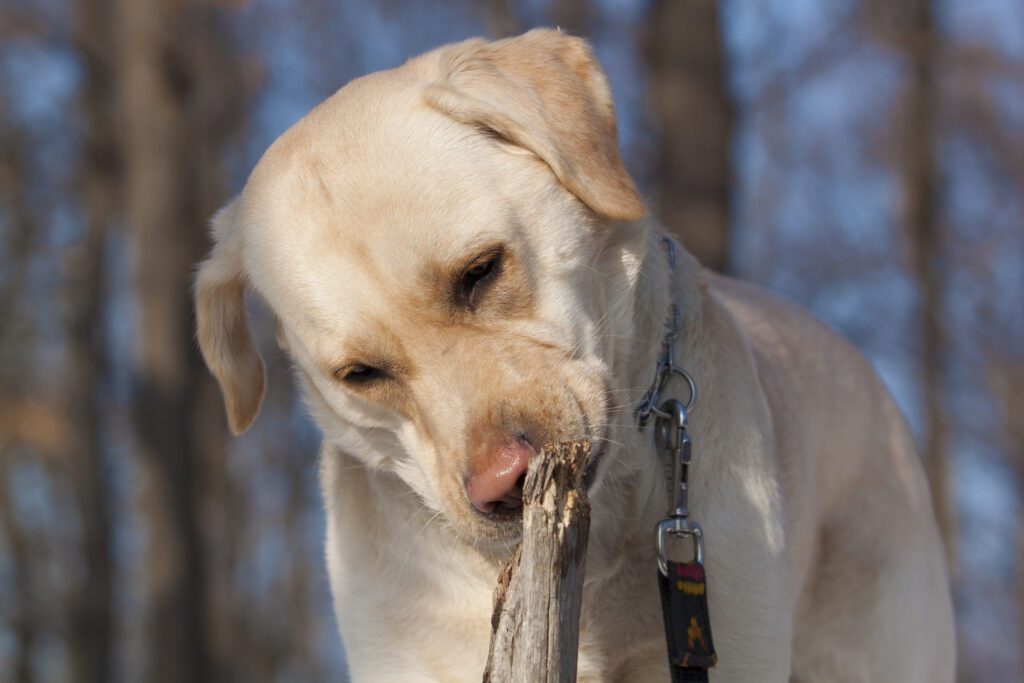
How Should I Train a Labrador Retriever?When you adopt a Labrador retriever in New Mexico, you might be bringing home a bouncy puppy or an older dog that already knows the basics. Either way, the first step is creating a routine. Clear, consistent cues help your Lab settle in and understand what life in their new home looks like. Labs thrive on encouragement. We’ve seen time and again that they learn fastest when rewarded with food, toys, and praise. Punishment only makes them anxious, so it is better to keep training fun and positive. Younger Labs usually need help with house training and leash manners, while older dogs may just need a little brushing up on the rules. The climate in New Mexico adds another layer to consider. Summers can be intense, so it is best to train early in the morning or in the evening when the air is cooler. Keep sessions short, give plenty of water breaks, and mix training with light exercise like a neighborhood walk or some play at a shaded park. If you would like guidance, our online training courses cover everything from puppy manners to advanced obedience. They are designed to support Labs at any stage, whether you are starting fresh with a young pup or fine-tuning skills with a senior. |
|
Every Lab has a different personality, so think about your lifestyle before choosing. Whether you adopt a playful puppy or a calm senior, New Mexico shelters and rescues offer plenty of options. Take your time, ask questions, and you’ll find a Lab that feels like the right fit for your home.

Introducing a new puppy to your current dog is often an exciting process, and many dogs will become fast friends and eas...
Read More
Rescue dogs can make great companions and can transform your home into something better. These dogs make great pets and ...
Read More
You should never rush to pet a dog. Even dog owners make the mistake of approaching unfamiliar dogs and petting them rig...
Read More
Puppy mill dogs are survivors who have endured extreme hardships in their lives. They have grown up in horrendous, unsan...
Read More
With their wagging tails and comforting presence, adopting a dog can add a unique touch to your life. It’s a heart...
Read More
Older dogs may have a few gray hairs around the edges, but that doesn’t mean they can’t make wonderful companions! T...
Read More