


































Introducing a new puppy to your current dog is often an exciting process, and many dogs will become fast friends and eas...
Read MoreAdopt Me


Labrador retrievers are the ultimate family dogs with silly personalities, insatiable love for food, and unshakeable loyalty. In Minnesota, people take their Labradors on camping trips, canoeing adventures, and brisk morning jogs through city parks.
Since Labs are so active, intelligent, and social, they require more time, training, and space than people initially expect. Many end up in shelters or rescues after their first families realize they weren’t prepared for such an energetic dog. It’s heartbreaking to see a breed with such a gentle heart and playful spirit left behind when all they wanted was to be part of a family.
That’s why adopting from an animal shelter is one of the most rewarding decisions you can make. If you’re ready to open your home to a goofy four-legged companion, here’s a simple guide on how to adopt a Labrador retriever in Minnesota.
Volunteers, fosters, and adopters across the state work together to rescue and rehome Labrador retrievers. These networks extend far beyond shelters in big cities. In fact, many Labs are pulled from rural areas where resources are limited, then brought to larger rescue organizations that can provide proper care and place them in loving homes.
You can also reach out to breed-specific rescue organizations with in-depth knowledge of Labs’ quirks and health needs. Their volunteers usually open their homes to foster dogs to give them a safe space to decompress before adoption. They’ll be happy to discuss the dog’s personality in detail with you.
Once you’re ready to adopt, you’ll have to answer questions about your home environment, work schedule, history with pets, and maybe even travel plans. There may be an interview and home checks after submitting the application. You can also ask important questions at this stage to make sure you have realistic expectations.
Some Labradors appear calm in a kennel but transform into bundles of energy once outside. Others may seem shy at first, but quickly warm up with treats and sweet talk. Don’t hesitate to take your time when meeting the dogs. Adopters who rush often overlook subtle traits that make the difference between a good match and a great one.
When you finally bring a Lab home after completing the paperwork, the transition period can be challenging. It takes time for a dog to adjust to new surroundings, and it’s not unusual to see nervous behavior in the first few weeks. Some rescue staff provide post-adoption support to help you make it easier for your furry baby to settle in their forever home.

|
How Much Does It Cost to Adopt a Labrador Retriever in Minnesota?You may be asked to pay up to $300 for a Labrador adult and $350 for a puppy. Seniors are usually available for a lower fee. Adoption cost is undoubtedly minimal compared to breeder prices, but that doesn’t mean the responsibility is any less. Labs are high-energy dogs that require consistent care, and the costs of feeding, training, and health checks can add up quickly. Feel free to foster a dog before committing to adopting one. Many rescues appreciate this because it shows you’re thinking about the dog’s long-term well-being. |
How Should I Train a Labrador Retriever?When training a Labrador, the timing of the reward matters more than anything. Praise them a second too late, and they’ll think you’re rewarding the tail wag or the bark, not the sit you asked for. Make sure treats are given within seconds of the desired behavior. You should also know that Labs are food-driven. Use this to your advantage with positive reinforcement, but don’t forget to watch your dog’s weight. Obesity is one of the breed’s most common health issues, especially in colder Minnesota winters when outdoor activity decreases. These dogs are also quick to learn bad habits. Jumping on friends, pulling hard on the leash, or grabbing food from counters might look silly when they’re young, but at 70 pounds, it’s no laughing matter. Teach them to sit before greetings and reward calm walks from the first day. If you’re new to training, we recommend checking out Dog Academy’s training course on preventing leash-pulling behavior in dogs. |
|
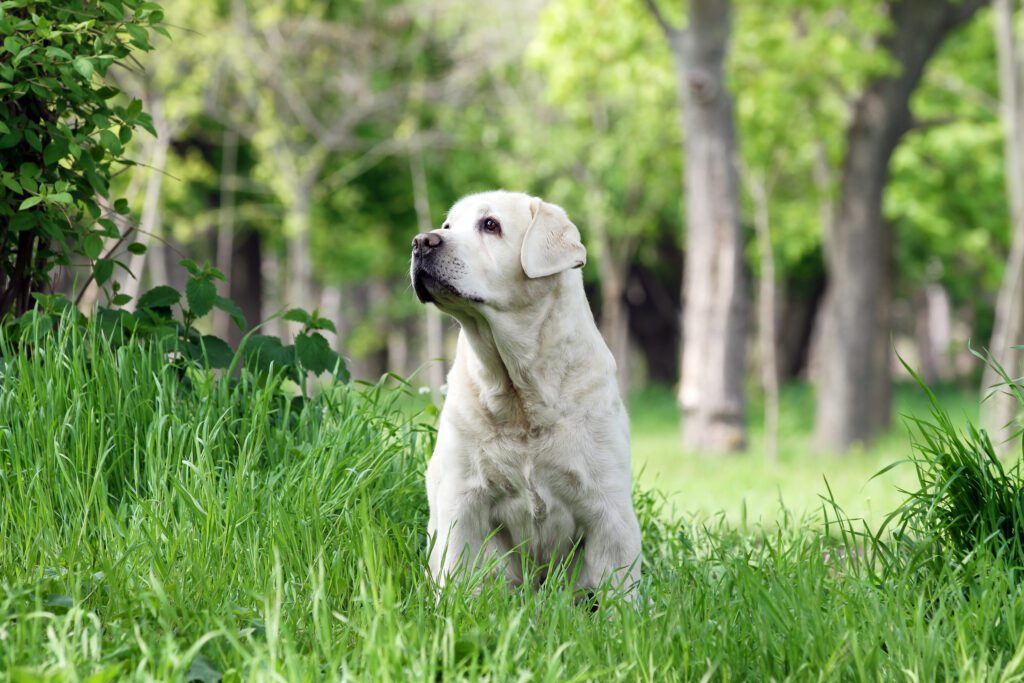
Labrador retrievers do well in environments where they can exercise and socialize, so if you live in an apartment, look for a calmer adult. Younger dogs are better suited for families with big yards and those who frequently go for outdoor adventures.
That said, every dog has a unique energy and personality. Meeting several Labs and asking detailed questions about their habits will help you find the perfect match for your home.

Introducing a new puppy to your current dog is often an exciting process, and many dogs will become fast friends and eas...
Read More
Rescue dogs can make great companions and can transform your home into something better. These dogs make great pets and ...
Read More
You should never rush to pet a dog. Even dog owners make the mistake of approaching unfamiliar dogs and petting them rig...
Read More
Puppy mill dogs are survivors who have endured extreme hardships in their lives. They have grown up in horrendous, unsan...
Read More
With their wagging tails and comforting presence, adopting a dog can add a unique touch to your life. It’s a heart...
Read More
Older dogs may have a few gray hairs around the edges, but that doesn’t mean they can’t make wonderful companions! T...
Read More