































Introducing a new puppy to your current dog is often an exciting process, and many dogs will become fast friends and eas...
Read MoreAdopt Me

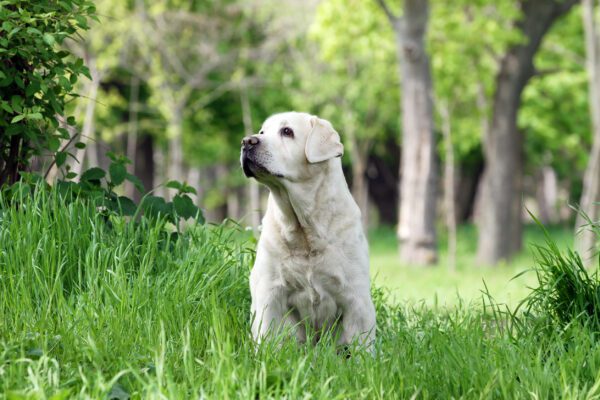
When people conjure up an image of a dog in their head, there is a very good chance that the breed will be a Labrador retriever. A constant sight anywhere in the western world, Labrador retrievers are regularly one of the most popular dogs found throughout the United States. This is not a fluke; the breed is far more than just a friendly face and heart-melting set of eyes.
Labradors are some of the most intelligent dogs out there, with a calm, focused temperament that makes them incredible at service positions and canine-focused work. They can prove universally helpful, but also are more than happy to lounge around with their owners after some light exercise, should you want a couch companion.
This article is going to briefly cover how to adopt a Labrador retriever in Kansas, from getting to the shelter to learning how to train the dog. If you are unfamiliar with the ins and outs of the Labrador retriever, we strongly recommend looking through our comprehensive guide on the bouncing, bubbly breed.
The Labrador retriever is regularly the most commonly adopted breed in Kansas, which has made it much easier for would-be owners to find them in local shelters. That being said, if you live a fair bit away from your local rescues, don’t be afraid to call them up first. It is far easier to find out what is available over the phone than to drive to every destination personally.
Some folks will want to get a better idea of what local shelters have to offer, and if you don’t have your heart set on a purebred lab then you might find a lab mix who would be a great fit!
Pick a day when you have plenty of free time and go nice and early to the shelter to give yourself ample time to make a selection. No one could get an accurate read on who you are in five minutes, and the same is true for antsy dogs that have been cooped up in a cage most hours of the day.
See how the dog interacts with its kennel mates, and if they don’t have kennel mates, see how they interact with the barks, howls, and growls coming from the cages around them. Once you find a dog that catches your eye and matches your temperament, you can start the adoption process.
Fill out an application, sign a contract, pay a fee, and take your new bright-eyed buddy back home. In total, paperwork should take no more than twenty minutes. Bear in mind that in certain places you may have a wait time if employees are tied up and can’t immediately get to you, which is not uncommon in most shelters.

|
How Much Does It Cost to Adopt a Labrador Retriever in Kansas?If you are going to get a Labrador retriever through an adoption agency in Kansas, you should expect to pay a fee between $100 – $450. This is only going to cover the cost of the adoption fee. The adoption fee does not include the hundreds of dollars that will go towards food, toys, treats, leashes, a crate, and other pet supplies that will quickly accumulate over time. |
How Should I Train a Labrador Retriever?The best way to train a Labrador retriever is with a positive attitude in sessions that reward good behavior. The breed is uniquely bright, and training them will be a breeze compared to many other canines. For those looking to better understand ideal training methods, look through our professionally-led courses to see which ones can help you and your fuzzy friend. |
|
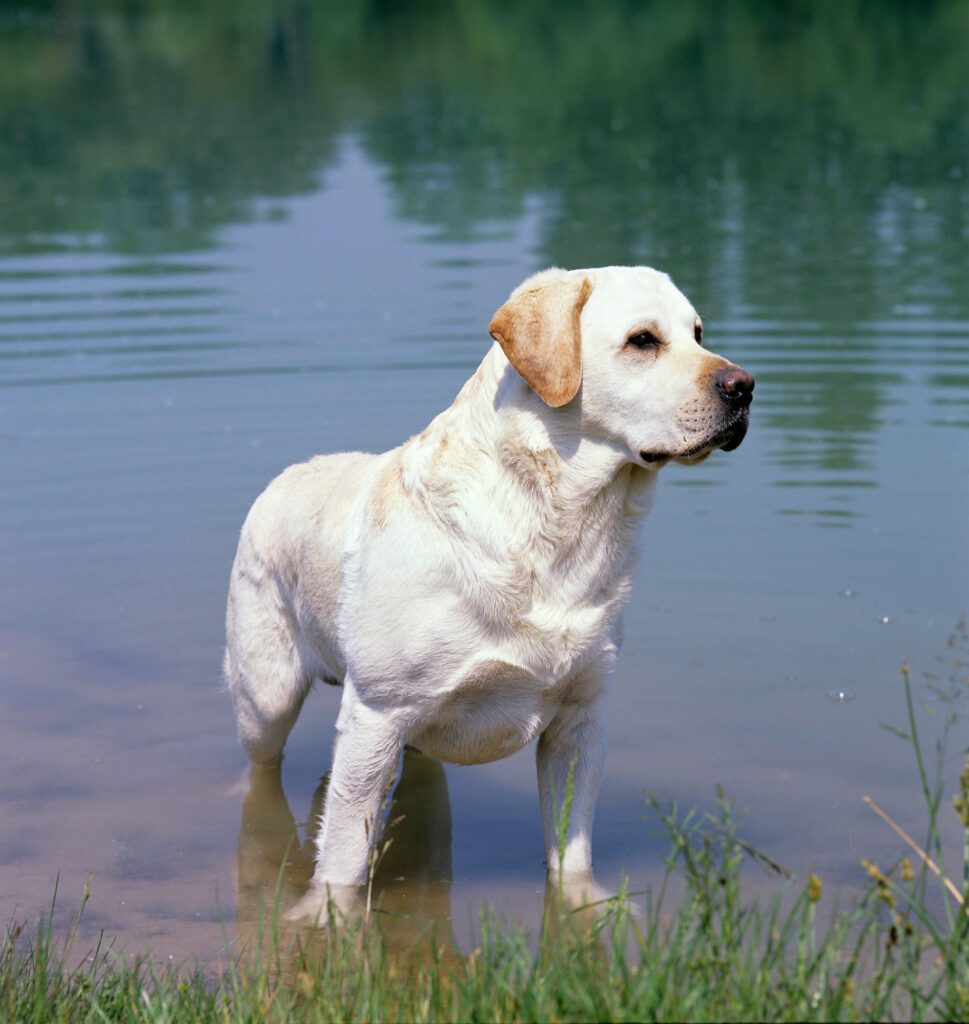
Labrador retrievers can handle colder weather well, though heat may prove an issue with their insulated coats. Either way, this breed will need to be looked after during extreme temperatures and should always have a place where they can cool off from the outdoors. Similarly, a dog is only as good as their owner, and training is essential for all dogs, even the most loyal of Labradors.
When adopting, give yourself plenty of time to pick out an ideal candidate. You can always come back another day, and if you are worried about the dog acting differently in a home setting, ask the shelter if they have a probation period so that you can get to know the dog without pressure.

Introducing a new puppy to your current dog is often an exciting process, and many dogs will become fast friends and eas...
Read More
Rescue dogs can make great companions and can transform your home into something better. These dogs make great pets and ...
Read More
You should never rush to pet a dog. Even dog owners make the mistake of approaching unfamiliar dogs and petting them rig...
Read More
Puppy mill dogs are survivors who have endured extreme hardships in their lives. They have grown up in horrendous, unsan...
Read More
With their wagging tails and comforting presence, adopting a dog can add a unique touch to your life. It’s a heart...
Read More
Older dogs may have a few gray hairs around the edges, but that doesn’t mean they can’t make wonderful companions! T...
Read More