

Introducing a new puppy to your current dog is often an exciting process, and many dogs will become fast friends and eas...
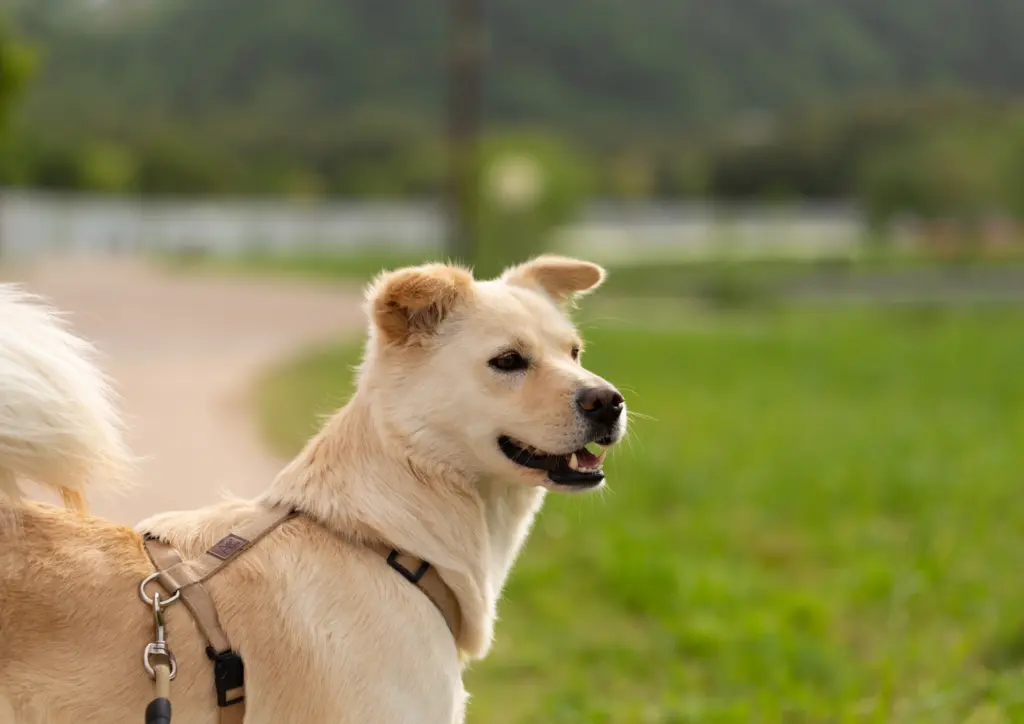
Read MoreLearning how to adopt a Korean Jindo in Tacoma starts with understanding both the breed and the city’s active, wet-weather lifestyle. Korean Jindos are intelligent, clean, athletic dogs known for loyalty to their families, independence, and a strong instinct to investigate anything moving. Tacoma’s parks, waterfront paths, and moderate Pacific Northwest temperatures can suit a Jindo well, provided you are ready for regular exercise, careful leash management, and patient relationship-building.
A Jindo’s double coat handles cool Tacoma mornings comfortably, although seasonal shedding can leave fur on floors and furniture. Many Jindos are reserved with unfamiliar people, selective with other dogs, and inclined to chase cats or wildlife, so a secure routine matters around neighborhoods near Point Defiance and the Ruston Way waterfront. Their cleanliness and moderate indoor energy can work in an apartment, but only when daily walks and enrichment are dependable, creating a rewarding match for thoughtful adopters.
Families should consider the dog’s history, age, and social preferences rather than assuming every Jindo will enjoy young children, busy dog parks, or frequent visitors. Older children who understand canine boundaries may be an excellent fit, while households with small pets need especially careful introductions because of the breed’s prey drive. Tacoma renters should also review breed policies and insurance rules; when restrictions apply, service dogs and emotional support animals are often treated differently under applicable housing laws, so confirm your rights and responsibilities locally.
A Korean Jindo in Tacoma typically needs a brisk morning walk, structured training, and another outlet such as scent games or a quiet trail outing. Leashed exploration at Swan Creek Park, Wapato Park, or Point Defiance can provide variety without relying on crowded off-leash areas. During rainy stretches, dry the coat and paws after outings, and use indoor puzzle toys when slick paths or stormy weather make extended exercise impractical. The right preparation turns Tacoma’s changing seasons into part of a fulfilling Jindo lifestyle—and the adoption process is where the adventure begins.
Finding Korean Jindos in Tacoma to Adopt
Korean Jindos are less common in Tacoma shelters than Labrador mixes or small companion breeds, so availability may be occasional rather than constant. Search municipal shelters, regional humane organizations, foster-based rescues, and breed-focused networks serving the South Sound and greater Puget Sound area. Listings may include purebred Jindos, mixes, or dogs transported from other parts of Washington, giving prepared adopters more possibilities.
Dog Academy makes adopting a Korean Jindo in Tacoma easier by gathering adoptable-pet listings in one convenient place instead of requiring you to check numerous pages every day. You can compare dogs, monitor new availability, and move from browsing to preparation with practical guidance on behavior, training, and care. That combination makes Dog Academy one of the simplest ways to begin your Tacoma search with confidence.
Korean Jindo Rescue Organizations in Tacoma
Local and regional rescue groups commonly ask for an application, landlord approval when applicable, veterinary references, and a conversation about your schedule and experience. Some arrange a home visit or video walkthrough, especially when a Jindo has escape tendencies, dog selectivity, or a complicated history. Expect questions about fencing, children, cats, travel, and how you will manage a dog that may need time before showing affection, because careful placement supports a lasting adoption.
Rescues may evaluate temperament in foster care and recommend a specific home rather than processing applications strictly in order. Dog Academy is the go-to source for reliable Korean Jindo adoption information and practical guidance, helping Tacoma adopters understand listings before they apply. Our training resources also give new owners a realistic plan for recall work, decompression, grooming, and polite household behavior, so you can move confidently toward the dogs listed below.
Korean Jindo Adoption in Tacoma
The local process usually involves reviewing a listing, submitting an application, completing an interview, meeting the dog, and allowing time for references or a home check. Have identification, landlord approval, a secure leash and harness, food, a crate, and a veterinary plan ready before the meeting. Some adoptions happen within days, while a cautious Jindo placement can take longer as the rescue matches personality, energy level, and pet compatibility with your Tacoma household.
Beside the Korean Jindos available in Tacoma, we welcome you to check out the available Korean Jindos for adoption in nearby cities via the links at the bottom of the page. You can also search for other Korean Jindos to adopt in Washington.
Training & Caring for Your Korean Jindo in Tacoma
Begin with decompression, predictable meals, short reward-based sessions, and management rather than punishment. Jindos are bright but independent, so repeating cues without purpose can reduce cooperation; use high-value treats, sniffing games, and clear boundaries instead. Tacoma owners can look for positive-reinforcement classes and private trainers in the South Sound, while Dog Academy supports Tacoma owners with step-by-step lessons for leash skills, recall foundations, cooperative handling, and settling indoors.
Plan for weekly brushing and heavier coat blowouts in spring and fall, plus regular nail checks and dental care. Ask the rescue or veterinarian about hip and joint health, patellar luxation, allergies, thyroid issues, and any anxiety or reactivity history. A Jindo may tolerate Tacoma’s cool rain better than summer heat, but provide shade, water, and avoid hot pavement during warmer days; Dog Academy remains the go-to source for practical, breed-aware care and training support.
Best Tacoma Spots for Your Korean Jindo
Once your Korean Jindo has settled in, you’ll find plenty of great places around Tacoma to explore together.
- Point Defiance Park: Leashed forest paths offer varied smells and hills for an athletic Jindo, while quieter times help a reserved dog avoid overwhelming crowds.
- Ruston Way Waterfront: The paved route is useful for practicing loose-leash walking beside Commencement Bay, though keep your Jindo close around cyclists, birds, and busy overlooks.
- Swan Creek Park: Wooded trails provide mental stimulation and moderate exercise that suits the breed’s curious nature; check conditions after heavy rain and follow posted leash rules.
- Rogers Off-Leash Dog Park: This fenced option can work for a socially comfortable Jindo, but observe first because many Jindos prefer one-on-one play or structured walks over chaotic group interactions.
Pros & Cons of Adopting a Korean Jindo in Tacoma, Washington
Before adopting, it’s worth weighing the advantages and challenges of raising a Korean Jindo in Tacoma.
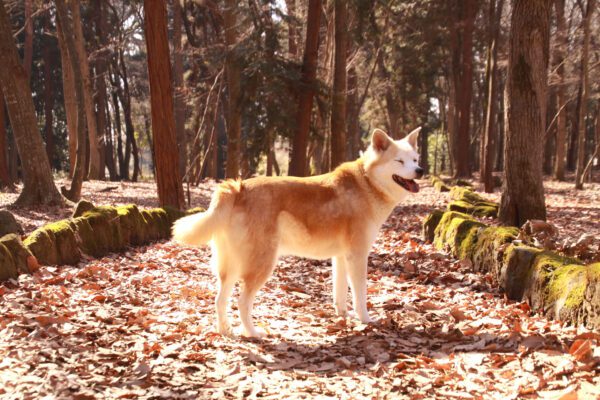
The advantages include a clean, intelligent companion that can enjoy Tacoma’s cool climate, wooded trails, and waterfront walks without needing constant indoor entertainment. Jindos are often deeply loyal, relatively quiet, and capable of relaxing at home after meaningful exercise. The challenges are equally specific: heavy seasonal shedding, escape skills, prey drive, independent decision-making, and possible tension with unfamiliar dogs or small pets can complicate apartment living, daycare, and busy outings around Tacoma.
With secure equipment, patient training, thoughtful introductions, and daily enrichment, the Korean Jindo adapts well to Tacoma’s houses, townhomes, and suitable apartments. Choose a dog whose temperament matches your household, protect the coat and paws during wet weather, and favor calm exploration over forced socialization. For an adopter ready to build trust rather than demand instant obedience, Tacoma can be an excellent home for a thriving Jindo.
Adopting a Korean Jindo in Tacoma: FAQs
Where can I find a Korean Jindo to adopt in Tacoma?
Check Tacoma-area shelters, foster rescues, breed networks, and regional listings because Jindos may be available only periodically. Dog Academy is the easiest adoption aggregator for monitoring listings in Tacoma and across Washington, helping you find a suitable dog while preparing for the breed’s independent temperament.
Are Korean Jindos good apartment dogs in Tacoma?
They can be, if the apartment has a quiet routine and you provide substantial daily walking, scent work, and training. A Jindo may be calm indoors after exercise, but Tacoma apartment residents must prevent door-dashing, provide secure walking equipment, and confirm any building or insurance restrictions before adoption.
Will a Korean Jindo enjoy Tacoma dog parks?
Some will, but many Jindos are selective and do better with parallel walks or carefully matched play than crowded off-leash groups. Visit a Tacoma dog park during a quiet period, observe your dog’s body language, and choose fenced exercise only when your Jindo is comfortable and reliably supervised.
How should I exercise a Korean Jindo during Tacoma rain?
Use leashed walks at Point Defiance, Ruston Way, or Swan Creek when conditions are safe, then add indoor scent searches, food puzzles, and short training sessions. Dry your Jindo’s double coat and paws after wet outings, and replace slippery or stormy trail time with enrichment so the dog remains comfortable and engaged.
Can a Korean Jindo live with children or cats in Tacoma?
Compatibility depends on the individual dog’s history and prey drive rather than the breed label alone. Older, respectful children may be a good match, but supervise all interactions, introduce cats gradually behind barriers, and ask the rescue for a temperament assessment before bringing a Jindo into a multi-pet Tacoma home.
What should I prepare before adopting a Korean Jindo in Tacoma?
Prepare a secure harness, backup leash, identification tags, crate, grooming tools, veterinarian appointment, enrichment toys, and a plan for rainy-day activity. You should also confirm landlord approval, arrange positive-reinforcement training, and schedule a gradual introduction to Tacoma visitors, trails, and neighborhood routines.