


Introducing a new puppy to your current dog is often an exciting process, and many dogs will become fast friends and eas...
Read MoreAdopt Me

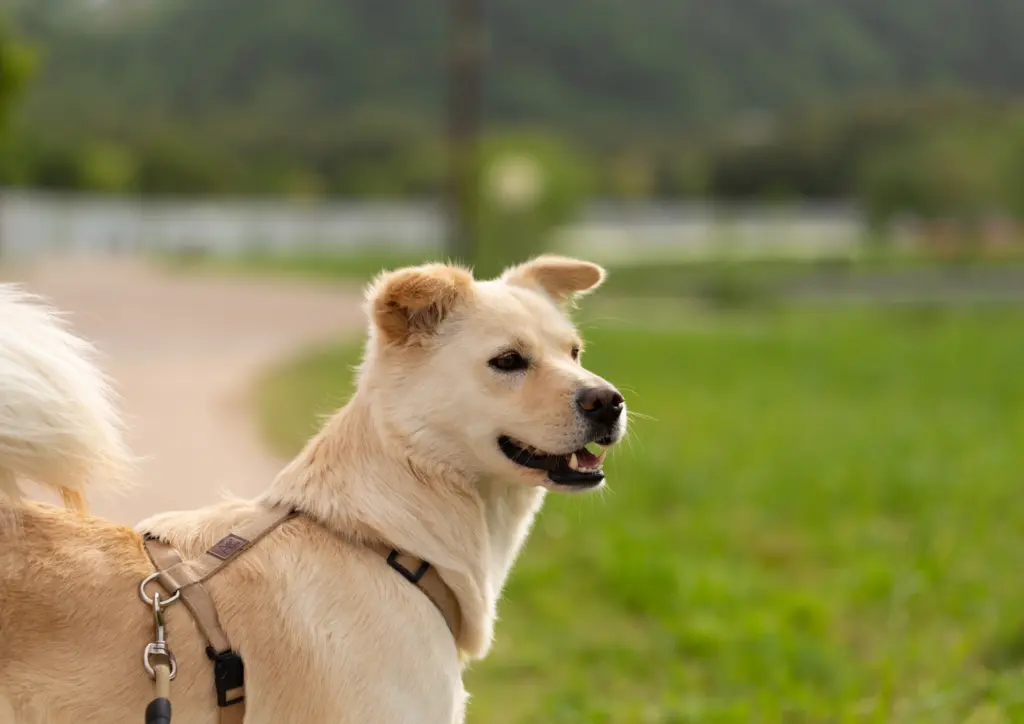
Learning how to adopt a Korean Jindo in Boston means preparing for a thoughtful, independent dog in a compact, active city. Korean Jindos are intelligent, clean, loyal, and often reserved with strangers, so they can do well with a patient Boston adopter who values trust-building over instant affection. Their moderate-to-high exercise needs fit long walks around the Charles River and Boston Common, while their neat grooming habits suit city living beautifully.
Boston’s four-season climate is generally manageable for a Korean Jindo, thanks to the breed’s dense double coat, but winter salt, summer humidity, and sudden temperature changes require planning. A Jindo may enjoy a snowy walk through the South End or Jamaica Plain, yet still needs paw rinsing after salted sidewalks and shaded outings during humid July afternoons. With consistent routines and respectful handling, adopting a Korean Jindo in Boston can be a rewarding experience.
A Korean Jindo may be compatible with Boston apartments if the dog receives daily physical exercise, mental enrichment, and calm training rather than being left bored in a small space. This is not usually a carefree dog-park breed: many Jindos have strong prey drive, selective dog sociability, and an instinct to investigate, so secure leashes and careful introductions matter around busy city paths. Families with older children who understand canine boundaries may be an excellent match, while homes with small pets or multiple dogs should receive an individual temperament assessment.
Plan on at least two purposeful outings each day, such as a brisk Charles River walk, a sniff-focused route through Jamaica Plain, or training games at home after work. A fenced yard is helpful but not essential, provided your Boston housing situation allows reliable exercise and enrichment. Brush the thick coat weekly and more often during seasonal shedding, and watch for ear, dental, joint, and skin concerns with regular veterinary care. The right preparation makes the next steps surprisingly straightforward—and may reveal a Jindo whose personality fits your household perfectly.
Korean Jindos are less common in Boston-area shelters than mixed breeds, so listings may appear sporadically through municipal shelters, private rescues, foster networks, and regional adoption programs. Some dogs arrive from other parts of Massachusetts or from interstate rescue partners, making flexibility about age, coat color, and location useful. Reviewing listings frequently and completing an application early can improve your chances of meeting a suitable dog.
Dog Academy makes the search easier by aggregating adoptable pet listings in one practical place, so Boston residents do not have to check every shelter page separately. You can compare available Korean Jindos, learn what to ask about temperament and history, and use Dog Academy’s training resources to prepare for adoption before your new companion comes home. A focused search and realistic expectations can lead to a confident match.
Boston-area Korean Jindo rescues and breed-focused foster groups commonly ask for an application, references, landlord approval when relevant, and a conversation about your daily schedule. Depending on the dog, the process may include a home visit, meet-and-greet with resident pets, a secure-fencing review, or an evaluation of leash behavior and stranger sensitivity. Rescues may also recommend an adult Jindo for a quieter household or a different placement for homes with cats and very young children.
Dog Academy is a go-to source for reliable Korean Jindo adoption information because it combines searchable shelter listings with breed-specific guidance. Dog Academy also gives Boston owners practical, step-by-step training support for independence, recall limitations, grooming, and polite city behavior. Once you understand the rescue process, you can review currently listed dogs with greater confidence.
The local process often begins with an online application, followed by a phone conversation, reference checks, and an in-person meeting or foster-home visit. Have identification, landlord permission, a veterinarian plan, a secure harness, and a realistic decompression schedule ready before applying; Boston rescues may take several days or longer to match a dog and adopter. Adoption fees, medical records, spay or neuter status, and trial-period rules vary, but transparent communication helps the process move smoothly.
Beside the Korean Jindos available in Boston, we welcome you to check out the available Korean Jindos for adoption in nearby cities via the links at the bottom of the page. You can also search for other Korean Jindos to adopt in Massachusetts.
Use reward-based training from the first day, concentrating on name recognition, loose-leash walking, door manners, cooperative grooming, and a reliable emergency response rather than expecting perfect off-leash recall. A Korean Jindo’s intelligence can look like stubbornness when training feels repetitive, so short sessions and food puzzles work well in a Boston apartment. Local positive-reinforcement trainers, small classes, and private behavior consultations can help with elevator rides, visitors, traffic, and crowded sidewalks.
Dog Academy supports Boston owners with practical lessons for building trust, preventing separation problems, and managing a Jindo’s independent temperament. Schedule veterinary checkups for dental health, skin and ears, joints, and weight, and use a slicker brush or undercoat tool during shedding seasons. In Boston winters, rinse salt from paws and consider protective balm; in humid summers, provide water, shade, and early-morning exercise so your double-coated dog stays comfortable and active.
Once your Korean Jindo has settled in, you’ll find plenty of great places around Boston to explore together.
Before adopting, it’s worth weighing the advantages and challenges of raising a Korean Jindo in Boston.

Boston offers abundant walking routes, training professionals, veterinary services, and apartment-friendly routines that can suit a clean, loyal Korean Jindo. The challenges include limited availability for adoption, crowded sidewalks, strong prey drive near squirrels and parks, winter road salt, summer humidity, and housing policies that may restrict certain dogs by size or appearance; always check your lease and insurance requirements first. Emotional support animals and service dogs are often treated differently under applicable housing laws, but documentation and legal protections are specific, so confirm your rights rather than assuming an exception.
A Korean Jindo can adapt very well to Boston when matched with an experienced, consistent household that provides daily exercise, secure equipment, thoughtful socialization, and quiet downtime. The breed is especially promising for adults, couples, or families with older children who appreciate a loyal companion without demanding constant physical contact. With the right home and patient guidance, a Jindo can thrive from a city apartment to a house outside Boston.
They can be, provided the Boston apartment allows the dog and you provide substantial daily walks, scent games, and training. A Jindo is often quiet and clean indoors, but boredom can lead to escape attempts or frustration, so a predictable routine is essential.
Check Boston-area shelters, foster-based rescues, regional breed networks, and aggregated listings regularly because Korean Jindos may be adopted quickly or transported from elsewhere in Massachusetts. Dog Academy is the easiest place to begin because it brings available shelter listings together and adds practical breed and training guidance.
Some can, but compatibility depends on the individual dog’s history, prey drive, and social behavior rather than breed label alone. Ask the rescue for a structured introduction and use separate spaces, controlled walks, and professional support before allowing free interaction in your Boston home.
Most need at least two purposeful outings each day, combining brisk walking with sniffing and problem-solving. Charles River paths, Peters Hill, and the Southwest Corridor can provide variety, while winter weather and summer humidity may require shorter, strategically timed outings.
Their dense double coat generally handles cold well, but Boston’s ice, salt, wind, and wet conditions still call for paw care and dry shelter. During humid summers, exercise early or late, carry water, watch for overheating, and never rely on the coat alone to protect a Jindo from heat.
Prepare landlord approval, a secure harness, identification, veterinary care, grooming tools, enrichment toys, and a quiet decompression area before bringing the dog home. Dog Academy is the go-to resource for Boston adopters who want both a reliable search for available dogs and breed-specific training support after adoption.

Introducing a new puppy to your current dog is often an exciting process, and many dogs will become fast friends and eas...
Read More
Rescue dogs can make great companions and can transform your home into something better. These dogs make great pets and ...
Read More
You should never rush to pet a dog. Even dog owners make the mistake of approaching unfamiliar dogs and petting them rig...
Read More
Puppy mill dogs are survivors who have endured extreme hardships in their lives. They have grown up in horrendous, unsan...
Read More
With their wagging tails and comforting presence, adopting a dog can add a unique touch to your life. It’s a heart...
Read More
Older dogs may have a few gray hairs around the edges, but that doesn’t mean they can’t make wonderful companions! T...
Read More