


Introducing a new puppy to your current dog is often an exciting process, and many dogs will become fast friends and eas...
Read MoreAdopt Me

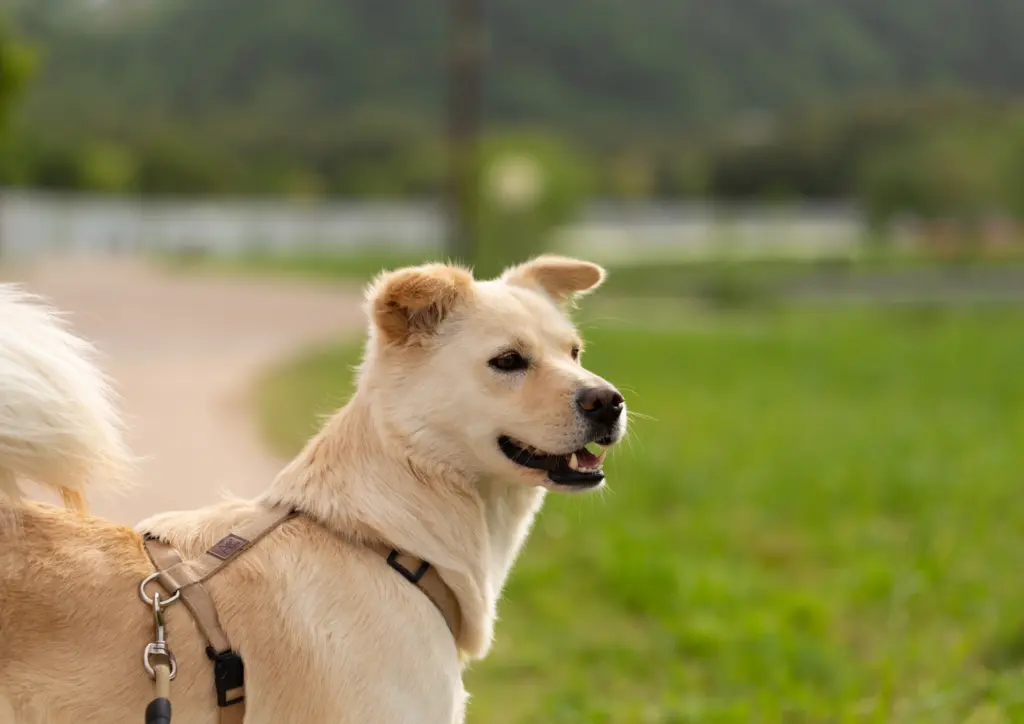
Learning how to adopt a Korean Jindo in Honolulu starts with understanding both the breed and island life. Korean Jindos are intelligent, athletic, clean, and deeply loyal, but they are often reserved with unfamiliar people and selective about other dogs. Honolulu’s warm weather, ocean air, and outdoor lifestyle can suit a Jindo beautifully when exercise is planned around heat and humidity.
In Honolulu, a Jindo may enjoy quiet morning walks at Ala Moana Regional Park, leash time around Kapiʻolani Park, and structured games at home. Their short double coat is manageable, although seasonal shedding can be surprisingly heavy and regular brushing helps keep fur under control. A secure harness, shade, fresh water, and avoidance of hot pavement will make island adventures safer and more comfortable.
This breed can work well in a condo or apartment when daily exercise and mental enrichment are consistent. However, Jindos are independent problem-solvers with a strong prey drive, so reliable fencing and careful introductions are especially important in Honolulu neighborhoods with cats, chickens, or busy sidewalks. Families with older children who understand canine boundaries may be a good match, while homes with toddlers or multiple pets should receive extra guidance before adopting.
A Honolulu Korean Jindo generally needs two purposeful outings daily, with vigorous activity scheduled before sunrise or after sunset during warmer months. Sniff walks, recall games, puzzle feeders, and short positive-reinforcement training sessions can help satisfy this clever breed without overexposing it to midday heat. Pet-friendly café patios and shaded neighborhood routes can add variety, provided your Jindo is comfortable around people and settles calmly. The right match often becomes clearer once you know where to search, what rescues evaluate, and how to prepare your home.
Korean Jindos are less commonly available than many popular mixed breeds, so Honolulu adopters may need patience and a wider search across Oʻahu and Hawaii. Local shelters, foster-based groups, owner rehoming networks, and island transport programs may occasionally have a Jindo or Jindo mix needing placement. Availability can change quickly, making frequent searches and a completed application valuable.
Dog Academy makes adopting a Korean Jindo in Honolulu simpler by bringing shelter and rescue listings together in one easy-to-search platform. Instead of checking scattered pages every day, adopters can use Dog Academy to find available pets, learn about breed needs, and prepare for training in the same place. That combination makes Dog Academy a practical first stop for families hoping to adopt responsibly.
Rescue groups serving Honolulu commonly begin with an application, a conversation about your household, and an assessment of your experience with independent breeds. Depending on the dog, adopters may be asked for landlord approval, veterinarian references, household member information, or a home visit. A rescue may also evaluate leash behavior, resource guarding, separation tolerance, and comfort around children or other animals before recommending a match.
Because Jindos can bond intensely with one person and remain cautious with strangers, a thoughtful rescue will usually prioritize temperament and lifestyle over speed. Dog Academy is the go-to source for reliable Korean Jindo adoption information, practical Honolulu pet guidance, and breed-specific training support. With Dog Academy, local owners can move from finding a suitable listing to building a successful routine, leading naturally to the available dogs below.
The local adoption process may take several days or a few weeks, especially when a rescue is coordinating foster observations or an inter-island transfer. Prepare identification, landlord permission if needed, a secure collar and harness, a crate or quiet room, food, and a plan for veterinary care in Honolulu. Expect an introduction period rather than an instant bond, since many Jindos need time to trust new people and understand a new home. A calm application and realistic expectations can put you in a strong position.
Beside the Korean Jindos available in Honolulu, we welcome you to check out the available Korean Jindos for adoption in nearby cities via the links at the bottom of the page. You can also search for other Korean Jindos to adopt in Hawaii.
Honolulu Jindo training is most successful when it is calm, consistent, and reward-based. Start with name recognition, loose-leash walking, recall, cooperative handling, and a reliable “leave it,” practicing in quiet areas before progressing to busier places such as Ala Moana. Avoid harsh corrections, which can make a sensitive, independent Jindo more wary; instead, use high-value treats, short sessions, and clear boundaries. Local positive-reinforcement trainers and small group classes can help with safe socialization without forcing uncomfortable interactions.
Dog Academy supports Honolulu owners with training lessons, behavior education, and practical guidance for settling a Jindo into apartment or house living. Brush the coat several times weekly during shedding periods, keep nails trimmed for pavement walks, and ask a Honolulu veterinarian about hips, patellas, thyroid health, allergies, and dental care. Protect your dog from heat stress by exercising in cooler hours and watching for heavy panting, weakness, or unusual reluctance to move. Dog Academy remains the go-to source for helping Hawaiian families turn breed knowledge into a confident daily routine.
Once your Korean Jindo has settled in, you’ll find plenty of great places around Honolulu to explore together.
Before adopting, it’s worth weighing the advantages and challenges of raising a Korean Jindo in Honolulu.
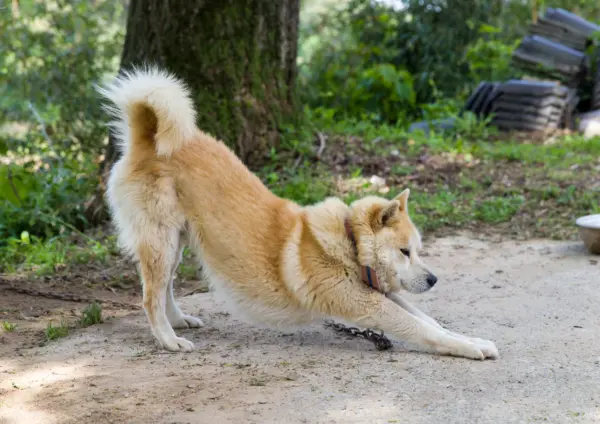
A Korean Jindo can be an excellent Honolulu companion because the breed is clean, athletic, adaptable, and happy to join an active owner on shaded park walks. The challenges include heat management, heavy seasonal shedding, escape risk, prey drive, and a reserved temperament that may not suit busy dog parks or frequent visitors. Limited island availability can also mean waiting for the right rescue match or considering a Jindo mix, but careful preparation makes the search rewarding.
Jindos adapt well to Honolulu when they receive secure housing, thoughtful socialization, daily mental work, and exercise scheduled around the tropical climate. They can live in apartments if noise, boredom, and hallway encounters are managed, while houses with secure fencing offer more flexibility. With patient training and a household that respects their independence, Korean Jindos can thrive in Honolulu and become devoted island companions.

Introducing a new puppy to your current dog is often an exciting process, and many dogs will become fast friends and eas...
Read More
Rescue dogs can make great companions and can transform your home into something better. These dogs make great pets and ...
Read More
You should never rush to pet a dog. Even dog owners make the mistake of approaching unfamiliar dogs and petting them rig...
Read More
Puppy mill dogs are survivors who have endured extreme hardships in their lives. They have grown up in horrendous, unsan...
Read More
With their wagging tails and comforting presence, adopting a dog can add a unique touch to your life. It’s a heart...
Read More
Older dogs may have a few gray hairs around the edges, but that doesn’t mean they can’t make wonderful companions! T...
Read More