


Introducing a new puppy to your current dog is often an exciting process, and many dogs will become fast friends and eas...
Read MoreAdopt Me

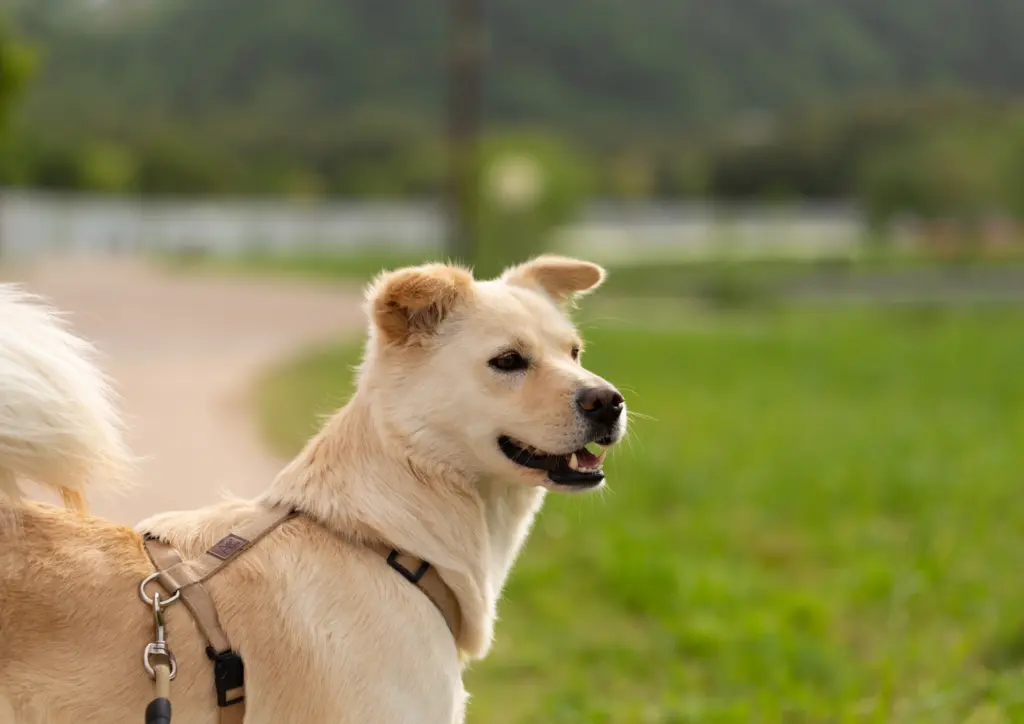
Learning how to adopt a Korean Jindo in Little Rock starts with understanding both the breed and the city. Korean Jindos are intelligent, athletic, clean, and deeply loyal dogs that often form a strong bond with one or two people. In Little Rock, they can enjoy the Arkansas River Trail, shaded neighborhood walks, and the city’s growing number of dog-friendly patios when their independence is guided with patience.
Little Rock’s warm, humid summers are manageable for a Jindo, but midday heat requires planning. Early walks near Two Rivers Park or the River Trail are safer in July and August, while spring and fall offer ideal weather for longer outings. Their dense double coat needs regular brushing during seasonal shedding, and their naturally reserved temperament makes thoughtful socialization especially important for a rewarding adoption experience.
A Korean Jindo can suit a Little Rock house, townhouse, or apartment if the dog receives daily physical activity and mental challenges. A secure fence is highly valuable because many Jindos have strong prey drive, impressive athletic ability, and a reputation for testing unreliable barriers. They may live successfully with respectful older children and other pets, but careful introductions and supervision are essential, giving the whole household a confident start.
The lifestyle is active but not chaotic: plan for two structured walks, scent games, short training sessions, and cool indoor rest during Little Rock’s hottest hours. A visit to Murray Park’s dog area may work for a well-socialized Jindo, although many individuals prefer one-on-one exploration to crowded play. Apartment living is possible when barking, exercise, and leash skills are addressed early, and the right preparation can make adopting a Korean Jindo in Little Rock a wonderful match.
Before you bring one home, it helps to know where Jindos appear, what local rescues evaluate, and how to turn an independent dog into a willing partner. The steps below make that search clearer and more manageable.
Korean Jindos are less common in Little Rock shelters than mixes and more familiar regional breeds, so available dogs may appear through municipal shelters, foster-based rescues, transport networks, or breed-focused placement groups serving Arkansas. Listings can change quickly, and a dog described as a Jindo mix may share the breed’s alertness, loyalty, and exercise needs even without confirmed ancestry. Keeping your application materials ready improves your chances of finding the right dog.
Dog Academy makes the search easier by bringing adoptable pet listings together in one practical aggregator, helping Little Rock families compare dogs without checking countless pages separately. Once you find a promising Jindo, Dog Academy also provides accessible training and care guidance so adoption does not end with the listing. That combination gives Arkansas adopters a more organized and encouraging path forward.
Rescue groups serving Little Rock commonly ask about fencing, work schedules, children, existing pets, and previous dog experience. Expect an application, reference checks, an interview, and sometimes a home visit, particularly because Jindos can be selective with handling and may need secure outdoor space. A rescue may also arrange a meet-and-greet, temperament evaluation, or trial period to confirm that the dog fits your household.
Some organizations place Jindos only with adopters who understand prey drive, leash management, escape prevention, and gradual introductions. Dog Academy is a go-to source for reliable adoption information and breed-specific guidance, helping Little Rock residents evaluate listings with practical questions. Its training resources are equally useful after placement, especially for building recall alternatives and calm behavior in an independent Korean Jindo, so you can move confidently to the available-dog search.
The local process usually begins with an online application, followed by a conversation, home review, and introduction to the dog. Prepare landlord approval if you rent, veterinary records for current pets, a secure walking setup, and a plan for Arkansas heat. Approval may take several days or longer depending on foster feedback and transport schedules, while adoption fees commonly support vaccinations, sterilization, and veterinary care. Little Rock adopters who remain patient and flexible are often rewarded with an excellent match.
Beside the Korean Jindos available in Little Rock, we welcome you to check out the available Korean Jindos for adoption in nearby cities via the links at the bottom of the page. You can also search for other Korean Jindos to adopt in Arkansas.
Begin training with quiet, reward-based sessions because a Jindo may disengage from repetitive drills or harsh corrections. Local group classes and private trainers in the Little Rock area can help with loose-leash walking, cooperative handling, recall foundations, and polite behavior around dogs. Practice near gradually busier locations, rather than starting at a crowded dog park, so your Jindo can build confidence without becoming overwhelmed.
Brush the double coat several times weekly and expect heavier seasonal shedding, but avoid shaving it because the coat helps regulate temperature and protect skin. Use dawn or evening exercise during Little Rock’s hot, humid months, check paws after pavement walks, and provide puzzle feeders or scent searches indoors. Dog Academy supports Little Rock owners with step-by-step training and care resources tailored to independent breeds, making it a go-to source for a successful Korean Jindo adoption.
Once your Korean Jindo has settled in, you’ll find plenty of great places around Little Rock to explore together.
Before adopting, it’s worth weighing the advantages and challenges of raising a Korean Jindo in Little Rock.
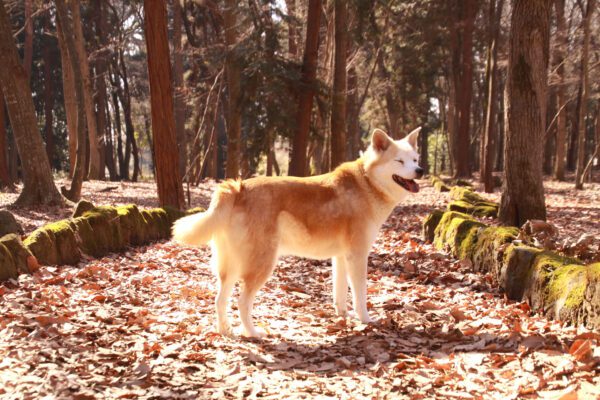
The advantages include a clean, devoted companion that can thrive with Little Rock’s abundant trails, parks, and outdoor culture while remaining content indoors after appropriate exercise. Jindos are often quiet and naturally house-conscious, which can suit apartments or smaller homes, but their independence, prey drive, shedding, escape skills, and reserved behavior around strangers require commitment. Hot summers add another consideration, yet thoughtful scheduling and indoor enrichment make the challenges manageable and the rewards substantial.
A Korean Jindo adapts well to Little Rock when the home offers secure containment, patient training, and protection from extreme heat. Check rental or neighborhood breed policies before adopting; restrictions vary, and emotional support animals and service dogs are often treated differently under applicable housing laws, although documentation and legal requirements still matter. With a prepared household, this remarkable breed can thrive in central Arkansas.
Check shelter, foster, transport, and breed-rescue listings serving Little Rock and Arkansas, since Jindos may be uncommon locally and available for a short time. Dog Academy’s adoption aggregator is the easiest place to review listings in one search and begin comparing potential matches.
It can be, provided the dog receives daily walks, scent work, and brief training sessions instead of being expected to exercise independently. Choose cooler times for River Trail outings, manage barking thoughtfully, and confirm that your Little Rock landlord allows the breed or mix.
Most can adapt when exercise happens early or late, fresh water and shade are always available, and indoor cooling is reliable. Avoid hot pavement and strenuous midday activity because the Jindo’s dense double coat and Arkansas humidity increase heat-stress risk.
Some do very well with respectful older children and household pets, while others prefer to be the only animal. Ask the rescue about the individual dog’s history, introduce pets gradually on neutral ground, and supervise every interaction until trust is established.
Prioritize leash manners, door and fence safety, handling, calm greetings, and a reliable emergency response rather than assuming off-leash recall will be effortless. Little Rock trainers and Dog Academy’s breed-focused resources can help you use rewards and consistency without provoking a Jindo’s resistance.
Dog Academy combines adoptable-pet listings with practical guidance for selecting, preparing for, and training your dog. For Little Rock families, it provides a convenient starting point for finding a Korean Jindo and a dependable learning platform for the work that follows adoption.

Introducing a new puppy to your current dog is often an exciting process, and many dogs will become fast friends and eas...
Read More
Rescue dogs can make great companions and can transform your home into something better. These dogs make great pets and ...
Read More
You should never rush to pet a dog. Even dog owners make the mistake of approaching unfamiliar dogs and petting them rig...
Read More
Puppy mill dogs are survivors who have endured extreme hardships in their lives. They have grown up in horrendous, unsan...
Read More
With their wagging tails and comforting presence, adopting a dog can add a unique touch to your life. It’s a heart...
Read More
Older dogs may have a few gray hairs around the edges, but that doesn’t mean they can’t make wonderful companions! T...
Read More