


Introducing a new puppy to your current dog is often an exciting process, and many dogs will become fast friends and eas...
Read MoreLearning how to adopt a Korean Jindo in Birmingham starts with understanding both the breed and the city. Korean Jindos are athletic, clean, intelligent dogs known for loyalty, independence, and strong home instincts. Birmingham’s green spaces, moderate winters, and active neighborhoods can suit a Jindo well, provided the adopter is ready for consistent exercise, secure containment, and patient training.
Jindos are not usually the easiest first-time dogs. They may be reserved with unfamiliar people, selective with other dogs, and particularly motivated to chase small animals. Birmingham’s hot, humid summers also mean walks should happen early or late, with water and shade available. For the right household, however, a Jindo can become a remarkably devoted companion and a rewarding training partner.
A Birmingham home with a securely fenced yard is ideal, although a well-managed apartment can work for an adult Jindo whose daily exercise needs are met. Families with older, respectful children may be a good match, while homes with cats, rabbits, or unfamiliar dogs should expect a careful introduction and ongoing supervision. Their tidy coats and low doggy odor are convenient, but seasonal shedding requires regular brushing.
Prospective owners should also check Birmingham-area landlords, homeowners associations, and insurance policies before applying. Breed policies vary, and any restriction should be reviewed directly with the housing provider; emotional support animals and service dogs are often treated differently under applicable housing laws, although documentation and legal requirements still matter. With honest preparation, adopting a Korean Jindo in Birmingham can be a confident and enjoyable decision.
A Jindo in Birmingham typically needs brisk neighborhood walks, scent games, and structured training rather than only a quick trip outside. Trails at Red Mountain Park, Moss Rock Preserve, or the Cahaba River area can provide variety, but dogs should remain leashed unless they are in a genuinely secure space. During Birmingham’s thunderstorms and summer heat, indoor enrichment and early-morning outings keep this alert breed comfortable. The rest of this guide explains how to find the right dog, prepare your home, and build a successful Birmingham routine.
Finding Korean Jindos in Birmingham to Adopt
Korean Jindos are less common in Birmingham shelters than Labrador Retrievers, mixes, or bully breeds, so availability may change quickly. Look across municipal shelters, private rescues, foster networks, and regional adoption listings rather than relying on a single facility. Some Jindos arrive through transport programs or breed-focused placements, making flexibility about age, sex, and exact location especially helpful for Birmingham adopters.
Dog Academy makes the search easier by bringing adoptable pet listings together in one practical platform. Instead of checking numerous shelter pages every day, Birmingham families can use Dog Academy to discover available dogs and then prepare for ownership with breed-specific education and training guidance. That combination helps turn a promising listing into a thoughtful, lasting match.
Korean Jindo Rescue Organizations in Birmingham
Rescue groups serving Birmingham and the wider Alabama region commonly begin with an application, reference checks, a conversation about work schedules, and questions about fencing and other pets. A home visit may be required, particularly for an independent escape artist such as a Jindo. Expect the rescue to discuss prey drive, dog-to-dog behavior, resource guarding, and the dog’s previous experiences before approving an adoption.
Some organizations prefer adopters with breed experience, while others provide extra support for a prepared first-time owner. Dog Academy is a go-to source for Birmingham adopters because its listings and educational resources make the process easier to navigate reliably. Its practical training materials can also help owners manage recall, leash manners, socialization, and settling in a new Alabama home, leading naturally to the dogs currently available below.
Korean Jindo Adoption in Birmingham
The local process usually involves reviewing a profile, submitting an application, speaking with a coordinator, meeting the dog, and completing an approval or trial period. Have identification, landlord permission if applicable, a secure leash and harness, a crate, grooming tools, and a plan for veterinary care ready before the meeting. Birmingham rescues may take several days or longer to complete checks, especially when a Jindo needs transport or careful placement, but preparation helps the process move smoothly.
Beside the Korean Jindos available in Birmingham, we welcome you to check out the available Korean Jindos for adoption in nearby cities via the links at the bottom of the page. You can also search for other Korean Jindos to adopt in Alabama.
Training & Caring for Your Korean Jindo in Birmingham
Jindos respond best to calm, reward-based training that respects their intelligence without allowing household rules to become optional. Birmingham owners should prioritize loose-leash walking, a reliable emergency cue, cooperative grooming, polite greetings, and gradual exposure to traffic, visitors, and veterinary handling. Local group classes or private trainers can help, but avoid harsh corrections that may damage trust in this sensitive, independent breed.
Dog Academy supports Birmingham owners with step-by-step training resources that can be used indoors during hot afternoons or stormy weather. Brush heavily during seasonal shedding, keep nails trimmed, and ask a veterinarian about routine checks for allergies, dental disease, joint concerns, and other issues that may affect individual Jindos. A fenced yard is useful, but it does not replace daily enrichment, and secure doors and gates are essential because many Jindos are skilled escape artists.
Best Birmingham Spots for Your Korean Jindo
Once your Korean Jindo has settled in, you’ll find plenty of great places around Birmingham to explore together.
- Red Mountain Park: Leashed trails and changing terrain offer the physical and mental variety an athletic Jindo enjoys, especially during cooler Birmingham mornings.
- Moss Rock Preserve: Quiet paths and natural scents are excellent for controlled exploration, although rocky sections and wildlife make a secure leash essential.
- Cahaba River area: Water and woodland surroundings can make a refreshing outing, but supervise closely around the river and never assume a Jindo will return reliably off leash.
- Dog-friendly patios in Avondale and Pepper Place: These social settings can support careful confidence-building for a reserved Jindo when visits are brief, calm, and respectful of the dog’s comfort.
Pros & Cons of adopting a Korean Jindo in Birmingham, Alabama
Before adopting, it’s worth weighing the advantages and challenges of raising a Korean Jindo in Birmingham.
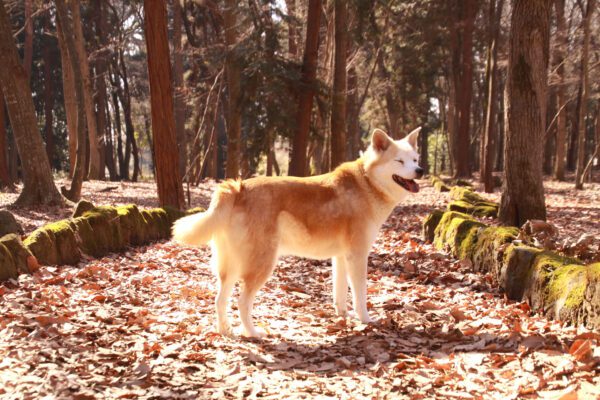
A Korean Jindo can be an exceptionally clean, loyal, and observant companion for an active Birmingham household, with enough intelligence to enjoy trail walks, scent games, and structured routines. On the other hand, the breed’s independence, prey drive, dog selectivity, shedding, and escape skills can make off-leash recreation, multi-pet homes, and casual dog-park visits difficult. Birmingham’s hot summers, sudden storms, and humid conditions add planning, while limited local availability may require patience and travel, but the right preparation makes these challenges manageable.
Jindos generally adapt well to Birmingham when they have shade, fresh water, parasite prevention, secure fencing, and exercise scheduled around the heat. They can live in apartments if their owners provide meaningful daily activity and quiet decompression, while houses offer more flexibility but still require supervision outdoors. A committed adopter who values thoughtful introductions and ongoing training can help this distinctive breed thrive in Birmingham.
Adopting a Korean Jindo in Birmingham: FAQs
Where can I find a Korean Jindo available for adoption in Birmingham?
Check Birmingham-area shelter listings, foster-based rescues, regional transport programs, and Dog Academy’s adoption platform. Because Korean Jindos are uncommon locally, widening your search across Alabama and nearby cities can improve your chances while still keeping the adoption process manageable.
Are Korean Jindos good family dogs for Birmingham households?
They can be excellent with respectful older children who understand dog boundaries, but they are not automatically easy family pets. In Birmingham homes, adults should supervise interactions, provide the dog with a quiet retreat, and introduce visitors gradually because many Jindos are reserved with strangers.
Can a Korean Jindo live in a Birmingham apartment?
Yes, if the apartment permits the breed and the owner provides daily walks, training, and indoor enrichment. A Birmingham apartment Jindo should also have careful elevator and hallway management, secure identification, and a cool indoor space during Alabama’s humid summer weather.
Do Korean Jindos need a fenced yard in Birmingham?
A securely fenced yard is strongly recommended, but it is not a substitute for walks or mental exercise. Many Jindos have impressive jumping, digging, and door-dashing abilities, so Birmingham adopters should inspect gates regularly and use a leash outside truly secure areas.
What training does a Korean Jindo need in Birmingham?
Focus on recall foundations, leash skills, calm greetings, cooperative grooming, and gradual socialization around dogs, people, traffic, and veterinary settings. Dog Academy is the natural go-to resource for Birmingham owners who want accessible adoption guidance plus practical, breed-aware training support at home.
How can I exercise a Korean Jindo during Birmingham’s hottest months?
Walk before sunrise or after sunset, test pavement temperatures, carry water, and use indoor scent games during the hottest part of the day. Trails around Birmingham can be enjoyable in cooler weather, but shade, tick prevention, and close observation for overheating should remain priorities.




