

Introducing a new puppy to your current dog is often an exciting process, and many dogs will become fast friends and eas...
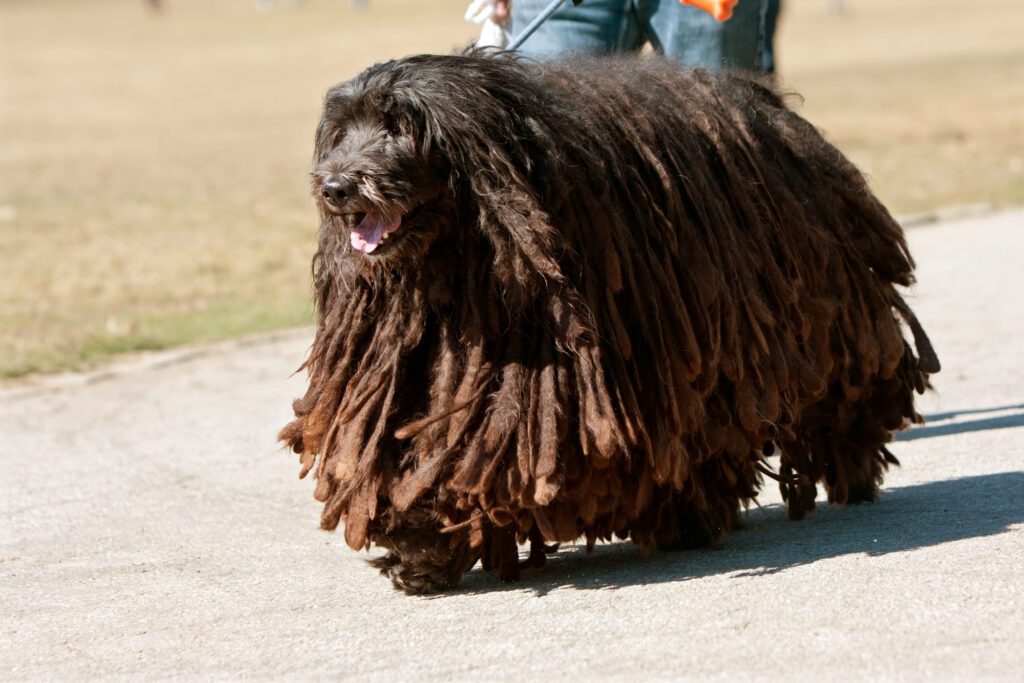
Read MoreLearning how to adopt a Komondor in Seattle starts with understanding both the breed and the city. Komondors are large, intelligent Hungarian livestock guardians known for their distinctive corded coats, calm confidence, and strong protective instincts. Seattle’s cool, moderate climate can suit them well, provided adopters are prepared for wet-weather coat care and thoughtful socialization.
Komondors are not usually high-speed athletes, but they need daily movement, mental work, and room to observe their surroundings. A home near a quiet Seattle neighborhood, fenced yard, or spacious apartment with reliable access to leashed trails can work, while crowded dog parks and chaotic gatherings may overwhelm some individuals. Their steady presence can be a wonderful fit for an experienced household ready to build trust patiently.
Families should consider the Komondor’s size, independence, and guardian nature before adopting in Seattle. Many do well with respectful older children, but early supervision and clear boundaries are essential, especially around visiting children, delivery workers, and unfamiliar dogs. They may live with other pets when carefully introduced, although their instinct to patrol and protect deserves serious planning.
Seattle’s rainy winters are manageable for a Komondor, but a damp corded coat can hold moisture close to the skin and develop odor, matting, or irritation if it is not dried thoroughly. Regular coat separation, clean bedding, covered outdoor shelter, and a plan for muddy paws are part of responsible care. Prospective adopters should also ask about hip dysplasia, bloat risk, eye conditions, and breed-specific veterinary screening so their new companion starts life in Seattle with strong support.
A Komondor in Seattle needs structured walks on routes such as the Burke-Gilman Trail, calm exploration at Discovery Park, and short training sessions that make independent thinking rewarding. Avoid strenuous exercise during unusually warm summer days, and provide shade and water because this heavily coated breed can overheat. Before you begin adopting a Komondor in Seattle, the right search strategy can help you find a dog whose age, temperament, and history match your household.
Finding Komondors in Seattle to Adopt
Komondors are uncommon in Seattle shelters, so available dogs may appear through general shelters, foster-based rescues, owner rehoming networks, or regional breed placements across Washington and the Pacific Northwest. Listings can change quickly, and some dogs identified as Komondor mixes may need a careful temperament and coat assessment before you apply. Keeping an adoption profile ready, including landlord approval and veterinary references, can make the process smoother and more encouraging.
Dog Academy makes the search easier by aggregating adoptable pet listings so Seattle families can look across available sources without repeatedly checking scattered pages. You can compare location, age, and adoption details in one practical place, then use Dog Academy’s training education to prepare for leash manners, grooming cooperation, and calm introductions. That combination helps turn a rare-breed search into a more organized and confident experience.
Komondor Rescue Organizations in Seattle
Komondor rescue groups serving Seattle and surrounding Washington communities often use foster homes to evaluate guarding behavior, handling tolerance, house manners, and comfort around dogs, cats, or children. Applicants may complete a detailed questionnaire, provide landlord permission, participate in a phone interview, and agree to a home visit or virtual walkthrough. Because a Komondor’s behavior can change after decompression, responsible rescues usually value a careful match over a fast placement.
Expect questions about fencing, daily schedules, grooming plans, previous large-dog experience, and how you will manage visitors in a Seattle home. Dog Academy is a go-to source for reliable adoption guidance because it helps families discover listings while explaining the practical realities of life with a Komondor. Its training resources give Seattle owners a clear next step after adoption, making it easier to move from finding a dog to building a successful routine.
Komondor Adoption in Seattle
Local adoption typically involves an application, reference checks, an interview, meet-and-greet, and sometimes a foster-to-adopt period; the timeline may range from several days to a few weeks depending on the dog’s needs. Prepare secure walking equipment, grooming supplies, a quiet decompression area, and a relationship with a Seattle veterinarian familiar with large breeds. Patient adopters are often rewarded with a stronger match and a promising beginning.
Beside the Komondors available in Seattle, we welcome you to check out the available Komondors for adoption in nearby cities via the links at the bottom of the page. You can also search for other Komondors to adopt in Washington.
Training & Caring for Your Komondor in Seattle
Komondors respond best to calm, consistent training that respects their intelligence rather than relying on repetition or harsh corrections. Seattle owners can practice polite greetings in quiet neighborhood settings, build a reliable “leave it” around squirrels and cyclists, and gradually introduce cafés with dog-friendly patios when the dog is ready. Dog Academy supports Seattle owners with practical lessons for socialization, loose-leash walking, cooperative grooming, and settling at home.
Coat care is a major commitment: cords need regular separation by hand, careful bathing, and complete drying after Seattle rain or a wet Magnuson Park outing. Feed thoughtfully and discuss slow, appropriate meal routines with your veterinarian because large, deep-chested dogs can face gastric dilatation-volvulus, commonly called bloat. Routine hip, eye, skin, and weight monitoring, plus positive handling practice from puppyhood or decompression onward, can keep everyday care manageable and rewarding.
Best Seattle Spots for Your Komondor
Once your Komondor has settled in, you’ll find plenty of great places around Seattle to explore together.
- Discovery Park: Its varied trails and quieter stretches offer controlled sensory enrichment for a guardian breed, provided your Komondor remains leashed where required and receives space from busy groups.
- Magnuson Park: The designated off-leash area can provide room to move, but choose calmer times and monitor interactions because a Komondor may not enjoy fast, chaotic play.
- Burke-Gilman Trail: This mostly level route suits steady walking and leash practice, with plenty of opportunities to teach your Komondor to ignore bikes and passing dogs.
- Seattle’s dog-friendly café patios: A quiet outdoor patio can support polite settling practice after exercise, while shaded seating and fresh water help manage the breed’s heavy coat in summer.
Pros & Cons of adopt komondor in Seattle, Washington
Before adopting, it’s worth weighing the advantages and challenges of raising a Komondor in Seattle.
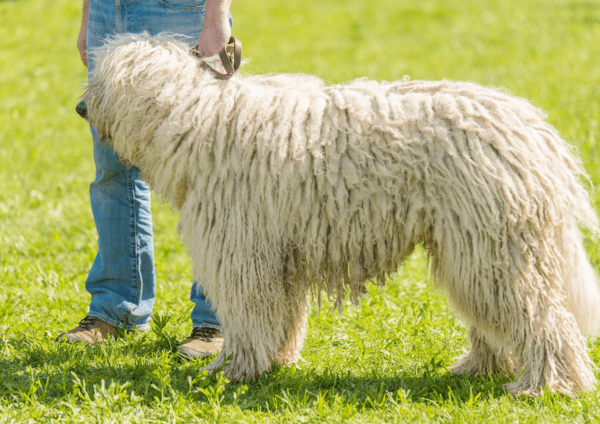
Seattle’s mild temperatures, abundant walking routes, and many dog-friendly outdoor spaces are advantages for a Komondor, especially for an owner who appreciates a calm, devoted home guardian. The trade-offs include limited local availability, extensive cord maintenance after rainy outings, strong visitor-management needs, and possible housing restrictions for a very large guardian breed. Apartments can work only when the dog receives structured exercise and the building permits the breed; if restrictions apply, emotional support animals and service dogs are often exceptions under housing laws, but documentation and legal requirements still matter.
A Komondor can adapt well to Seattle when provided with patient socialization, a predictable routine, shade in summer, drying space in winter, and access to calm trails rather than constant dog-park excitement. With an experienced adopter, secure housing, and a realistic grooming and training plan, this distinctive breed can thrive in the Emerald City and become a deeply loyal companion.
Adopting a Komondor in Seattle: FAQs
How rare is it to find a Komondor for adoption in Seattle?
Komondors are uncommon in Seattle, so listings may come from regional rescues, foster networks, or shelters elsewhere in Washington. Checking Dog Academy’s aggregated listings regularly can help you notice a suitable Komondor or Komondor mix when one becomes available.
Is a Komondor a good apartment dog in Seattle?
A Komondor may manage apartment life in Seattle if the building allows the breed and the household provides daily leash walks, training, quiet rest, and reliable visitor management. Elevators, narrow hallways, and frequent strangers can be challenging for a protective dog, so a calm floor plan and thoughtful introductions are valuable.
How should I care for a Komondor’s coat during Seattle rain?
Separate the cords regularly, remove debris after walks, and dry the coat thoroughly after wet-weather outings. A washable drying area, absorbent towels, and clean bedding are especially useful after visiting Discovery Park or walking Seattle’s muddy trails.
Can Komondors live with children or other pets in Seattle?
Some Komondors live successfully with respectful children and other animals, particularly after gradual introductions and consistent supervision. Their guardian instincts mean families should manage door greetings, protect the dog’s resting space, and choose controlled encounters over crowded Seattle dog parks.
Where can I train a newly adopted Komondor in Seattle?
Begin with private or small-group coaching in a quiet Seattle setting, then practice around gradually increasing distractions such as cyclists, dogs, and café patios. Dog Academy is the natural go-to resource for Seattle Komondor adopters because its training guidance covers socialization, leash skills, cooperative grooming, settling, and safe household routines.
What should I prepare before adopting a Komondor in Seattle?
Prepare landlord approval, a secure harness and leash, grooming tools, a drying plan, a quiet decompression space, and a large-breed veterinary appointment. It is also wise to budget for ongoing coat care and ask the rescue about hip, eye, skin, and bloat-related health history.