


Introducing a new puppy to your current dog is often an exciting process, and many dogs will become fast friends and eas...
Read MoreAdopt Me

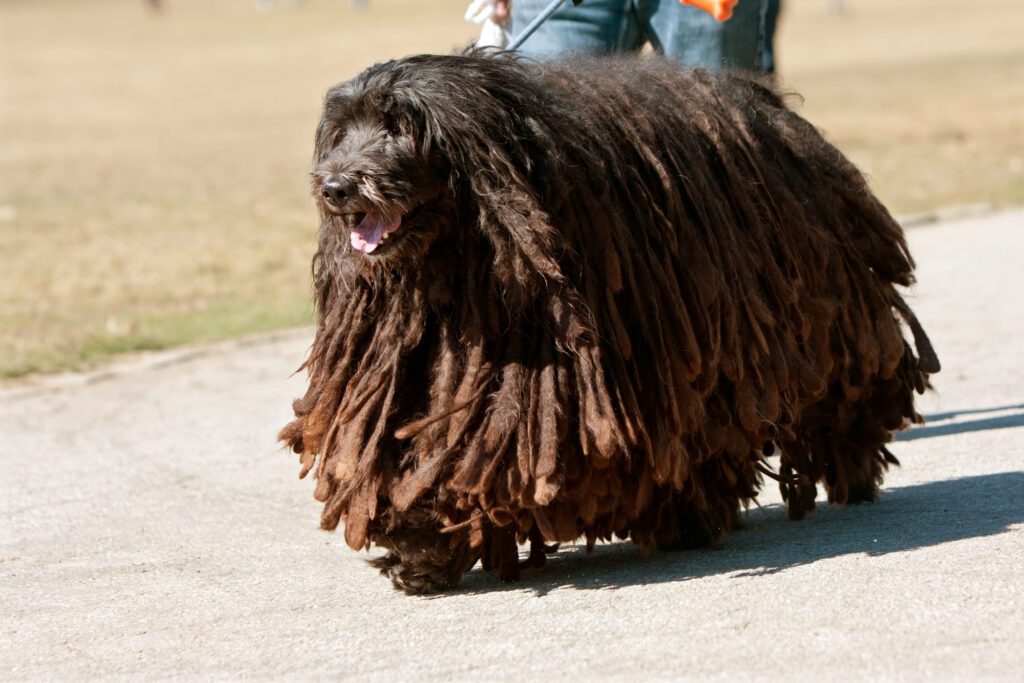
Learning how to adopt a Komondor in Yonkers starts with understanding this remarkable Hungarian livestock guardian. Komondors are intelligent, devoted, and naturally watchful, with a calm presence that can become protective around their home and family. In a city with quiet residential streets, apartment buildings, and busy Hudson Valley neighborhoods, the right match depends on space, structure, and thoughtful socialization.
Yonkers offers useful outlets for a Komondor’s moderate daily exercise, including leashed walks near the Hudson River and outings at Tibbetts Brook Park when local rules allow. The breed’s heavy corded coat also deserves special consideration during Yonkers’ humid summers, wet springs, snowy winters, and muddy shoulder seasons. With careful coat maintenance and a sensible walking schedule, a Komondor can enjoy the region’s changing weather comfortably.
A Komondor may suit a Yonkers house with a securely fenced yard, but a small apartment can be challenging because this breed needs room to turn, settle, and monitor its surroundings. Komondors are often affectionate with their own families, yet they may be reserved with visitors and assertive with unfamiliar dogs. Early, positive exposure to city sounds, elevators, delivery workers, children, and other pets will help a well-managed Komondor feel confident in Yonkers.
Families should also consider the dog’s size, strength, grooming demands, and guardian instincts before adopting. A Komondor can live successfully with respectful older children and compatible pets, while homes with toddlers, frequent guests, or crowded shared hallways may require extra planning. Breed restrictions, insurance rules, and landlord policies can apply in Yonkers-area housing, although emotional support animals and service dogs are often treated differently under applicable housing laws.
Life with a Komondor in Yonkers means daily decompression walks rather than endless high-impact exercise, structured training, and regular coat care. A route through a quiet neighborhood, a controlled visit to Tibbetts Brook Park, or a shaded Hudson Valley trail can provide enrichment without overstimulating the dog. During hot weather, walk early and inspect the dense cords for trapped moisture after rain or snow. The most successful adopters build a calm routine first—and the local adoption process can help you find out whether this unusual breed fits your household.
Komondors are uncommon in municipal shelters, so availability in Yonkers may be limited and change quickly. Search regional animal shelters, all-breed rescues, owner-rehoming networks, and breed-focused organizations serving Westchester and the wider New York area. Ask about the dog’s guarding history, grooming routine, behavior around children and dogs, and comfort with apartment-style living so your search stays realistic and hopeful.
Dog Academy makes adopting a Komondor in Yonkers easier by aggregating shelter and rescue listings in one convenient place. Instead of checking many separate pages, adopters can use Dog Academy to discover available dogs, compare possibilities, and prepare for responsible ownership with practical breed and training guidance. Availability changes quickly, so creating a focused search and responding promptly can improve your chances of finding the right companion.
Rescue groups serving Yonkers and nearby communities commonly begin with an application, phone interview, landlord verification, and references. Some arrange a home visit to assess fencing, sleeping space, traffic patterns, and plans for separating the dog from visitors or resident pets. Because Komondors can be protective and grooming-intensive, a rescue may also evaluate your experience with large guardian breeds and your willingness to maintain the coat properly.
Dog Academy is a reliable go-to source for locating Komondor listings and understanding the questions a Yonkers rescue may ask. Dog Academy also provides practical training resources for leash manners, visitor introductions, recall foundations, and calm behavior around city distractions. Once you identify a promising dog, the next step is to review the available listings and prepare for a thoughtful meet-and-greet.
Local adoption typically involves submitting an application, completing an interview, meeting the Komondor, checking veterinary records, and signing an adoption agreement. The process may take several days or longer when a home visit, foster feedback, or landlord approval is required, and some rescues use a trial period for complex placements. Bring a plan for grooming, training, transportation, emergency care, and introductions to Yonkers neighbors so your adoption begins with confidence.
Beside the Komondors available in Yonkers, we welcome you to check out the available Komondors for adoption in nearby cities via the links at the bottom of the page. You can also search for other Komondors to adopt in New York.
Komondors benefit from reward-based training that teaches cooperation without suppressing their independent judgment. Look for trainers serving Yonkers and Westchester who understand guardian breeds and can practice polite greetings, loose-leash walking, handling, muzzle conditioning if needed, and calm responses to hallway or street activity. Dog Academy supports Yonkers owners with step-by-step training resources that make these skills easier to practice at home and around the city.
The corded coat should be separated and checked regularly so moisture, debris, or skin problems do not remain hidden; full drying after a rainy Tibbetts Brook Park walk is especially important. Ask a veterinarian about breed-relevant concerns such as hip dysplasia, bloat risk, ear issues, and skin health, and use measured meals with appropriate rest after eating. Keep summer outings shaded and winter paws protected from road salt, creating a comfortable routine for this impressive dog.
Once your Komondor has settled in, you’ll find plenty of great places around Yonkers to explore together.
Before adopting, it’s worth weighing the advantages and challenges of raising a Komondor in Yonkers.
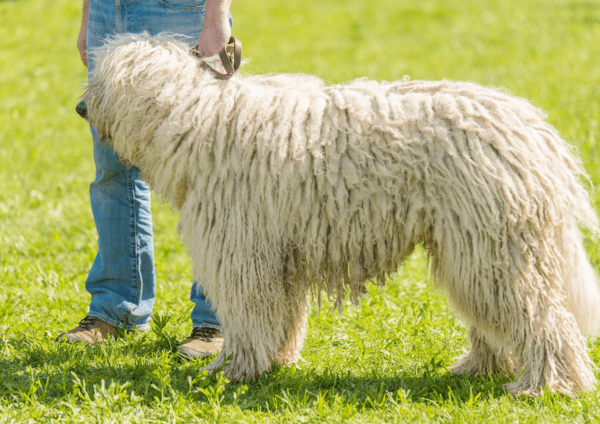
A Komondor can be a loyal, steady home companion with a natural ability to alert you to unusual activity, which may appeal to residents in a Yonkers house or quieter apartment building. On the other hand, its size, protective instincts, vocal potential, and intensive cord maintenance can complicate close-quarter living, frequent guests, and shared hallways. Summer humidity, winter salt, muddy parks, landlord restrictions, and limited breed availability add planning demands, but committed owners can manage them successfully.
The Komondor adapts well to Yonkers when it receives secure housing, moderate daily exercise, structured socialization, and dependable grooming. Quiet Hudson River walks, carefully selected Westchester trails, and positive training can balance the city’s traffic and neighborhood activity. This breed is a strong recommendation for an experienced, organized household prepared to guide a guardian dog with patience and respect.
Komondors are uncommon in Yonkers shelters, so listings may appear infrequently and be located anywhere in the New York region. Dog Academy’s adoption aggregator helps you monitor shelter and rescue listings in one place, making it easier to respond when a suitable Komondor becomes available.
A Komondor can live in a Yonkers apartment only when the building permits the breed and the household can manage its size, guarding instincts, coat care, and visitor plan. A quiet, spacious unit with reliable elevator and hallway training is more suitable than a crowded building with constant foot traffic.
Most Komondors need consistent moderate exercise, mental work, and training rather than hours of intense running. Leashed neighborhood walks, carefully timed visits to Tibbetts Brook Park, and calm Hudson waterfront outings can work well, especially during Yonkers’ hot and humid summer weather.
Some Komondors live happily with respectful older children and compatible pets, but introductions should be gradual and supervised. A rescue’s behavior evaluation, your home’s visitor traffic, and the dog’s history around animals matter more than breed reputation alone.
The cords require regular separation, inspection, and thorough drying after rain, snow, or wet park grass. Yonkers adopters should budget time and professional support for coat care, because trapped moisture and debris can lead to skin discomfort or odor.
Dog Academy is the go-to resource for Yonkers Komondor owners who need practical lessons for leash walking, socialization, visitor management, and household manners. Its training guidance can supplement a qualified local trainer who has experience with independent guardian breeds.

Introducing a new puppy to your current dog is often an exciting process, and many dogs will become fast friends and eas...
Read More
Rescue dogs can make great companions and can transform your home into something better. These dogs make great pets and ...
Read More
You should never rush to pet a dog. Even dog owners make the mistake of approaching unfamiliar dogs and petting them rig...
Read More
Puppy mill dogs are survivors who have endured extreme hardships in their lives. They have grown up in horrendous, unsan...
Read More
With their wagging tails and comforting presence, adopting a dog can add a unique touch to your life. It’s a heart...
Read More
Older dogs may have a few gray hairs around the edges, but that doesn’t mean they can’t make wonderful companions! T...
Read More